96 breeds
Pet breeds in India: history, care and what a sitter needs to know
Updated By Petym
The dog breeds that cope most easily with Indian homes are those that suit the heat and the space you have. Flat-faced and heavy-coated breeds overheat far more readily, big working dogs need more than two hours of exercise a day, and India's own Indie dog is hardy but wary of strangers. Each page below says what that breed needs from a sitter.
Small pets and fish have their own pages: rabbits, guinea pigs, hamsters, the budgerigar, cockatiel and peach-faced lovebird, and aquarium fish from the goldfish to the koi. For them heat, diet and a daily check matter even more, and the bird pages say which species are legal to keep in India.
Each page opens with a photograph and the breed at a glance, then where it comes from and what is recorded of it in India, the care and food it needs, the illnesses it is prone to and how a vet treats them, and what a sitter must know while you are away. Every fact names the kennel club, vet school, welfare body or study it came from, with the date it was checked.



All breeds
125 breeds
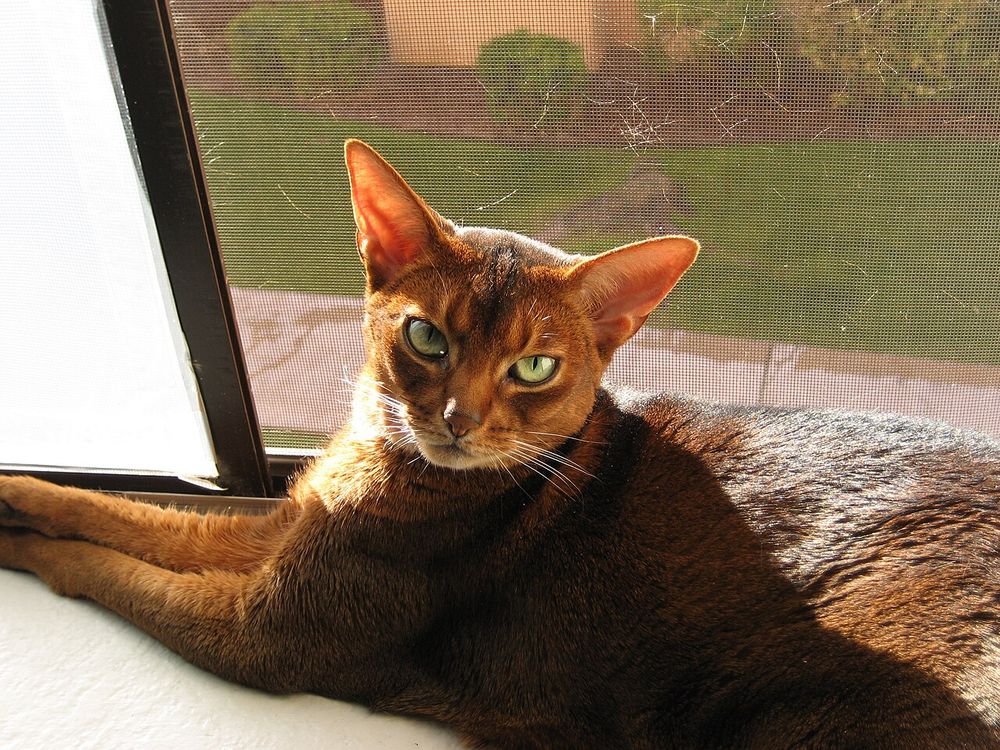 CatAbyssinian catAlso: Abyssinian, AbyBusy, climbing and people-led: high perches, real play at every visit, and gums and kidneys to watch.MediumVery high energy12 to 16 yearsHeat: copes with care
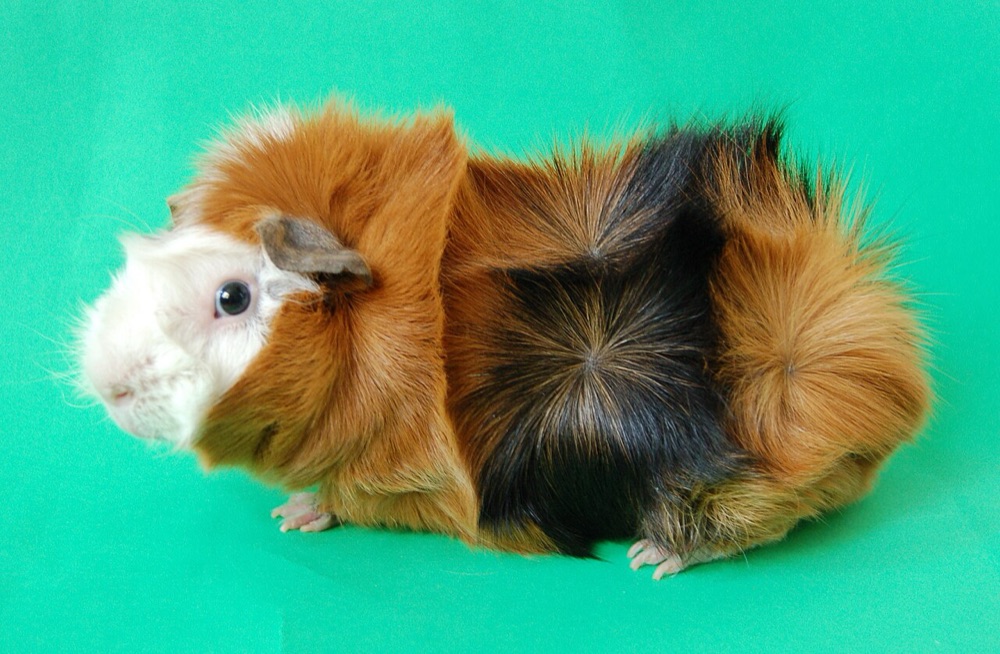 Guinea pigAbyssinian guinea pigAlso: Abyssinian cavy, AbyA harsh, rosetted coat and a lively nature: skin checks, a cool room and fresh greens every day.SmallModerate energy5 to 8 yearsHeat: struggles in heat
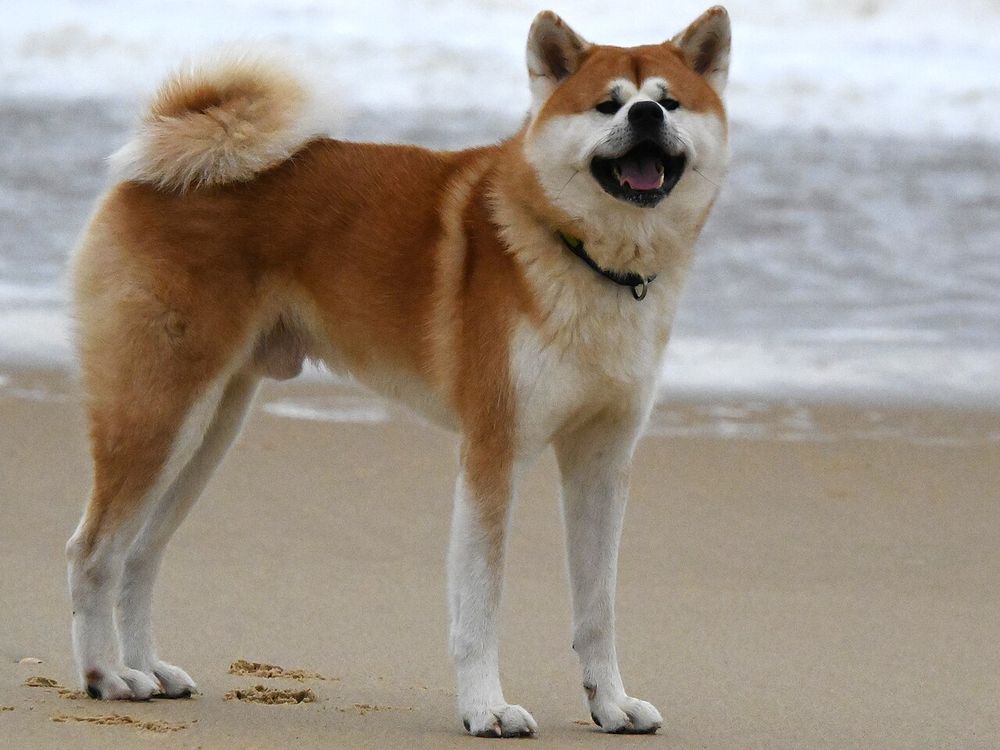 DogAkitaAlso: Akita Inu, Japanese AkitaA dignified, powerful guardian from Japan that is wary of strangers and often of other dogs. How a sitter earns its trust and keeps everyone safe.LargeModerate energy10 to 14 yearsHeat: struggles in heat
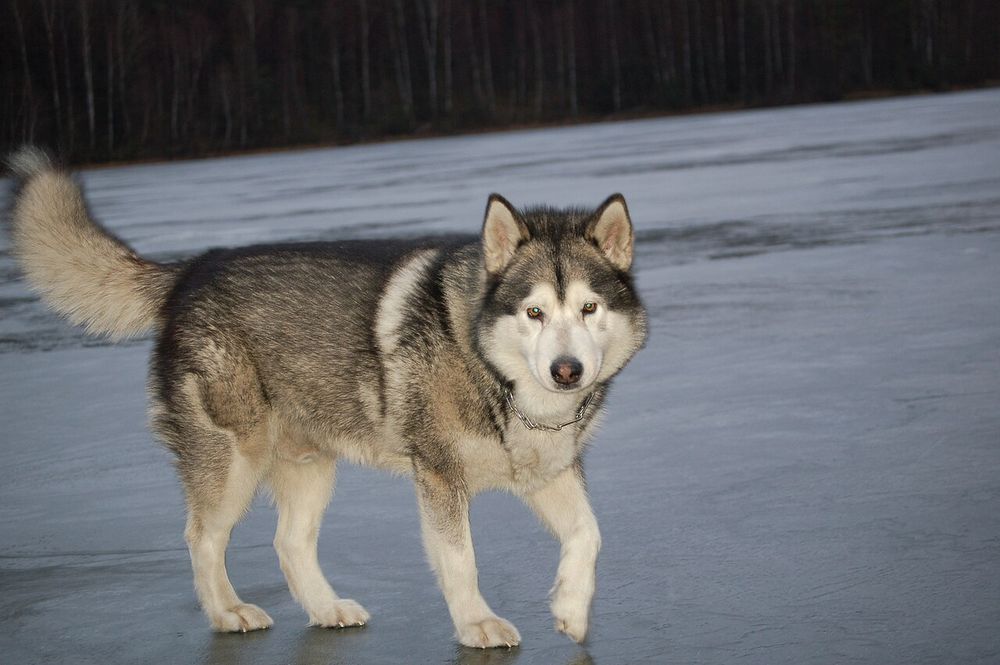 DogAlaskan MalamuteAlso: Malamute, MalA heavy Arctic sled dog with a thick coat, huge strength and a friendly streak. How a sitter manages heat, digging, shedding and pulling.LargeHigh energy10 to 14 yearsHeat: struggles in heat
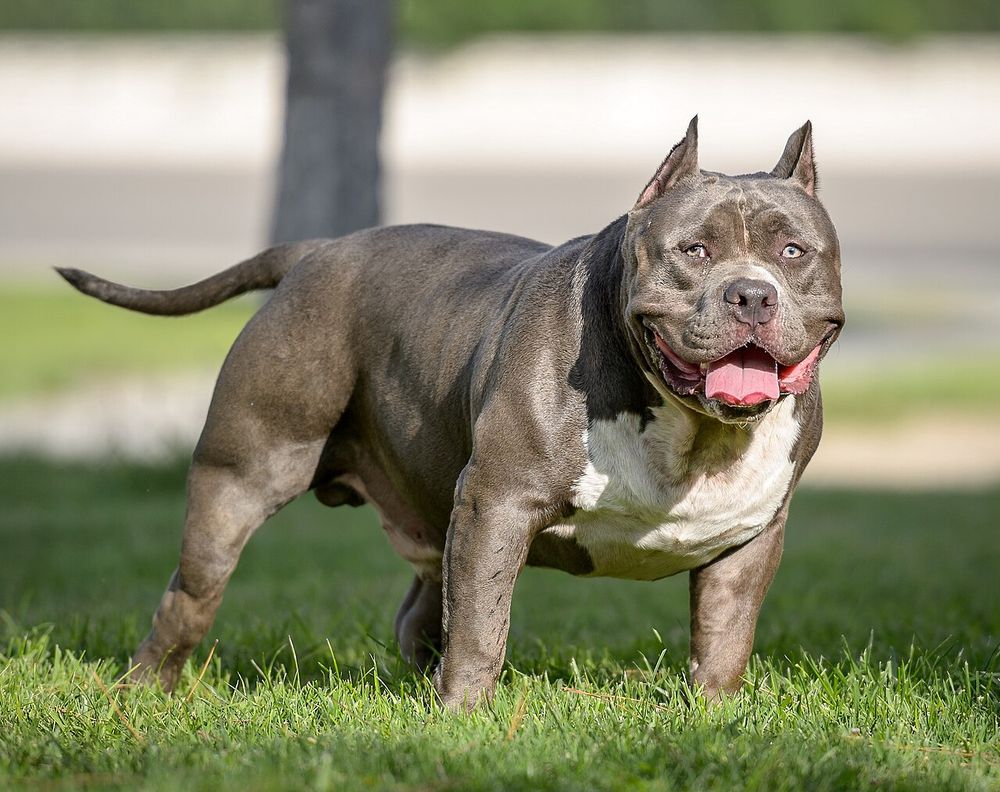 DogAmerican BullyAlso: Bully, American Bully XLA heavily muscled companion dog that is popular in Indian cities and caught up in breed rules. Its legal position, heat risk and a sitter's checklist.MediumModerate energy10 to 14 yearsHeat: copes with care
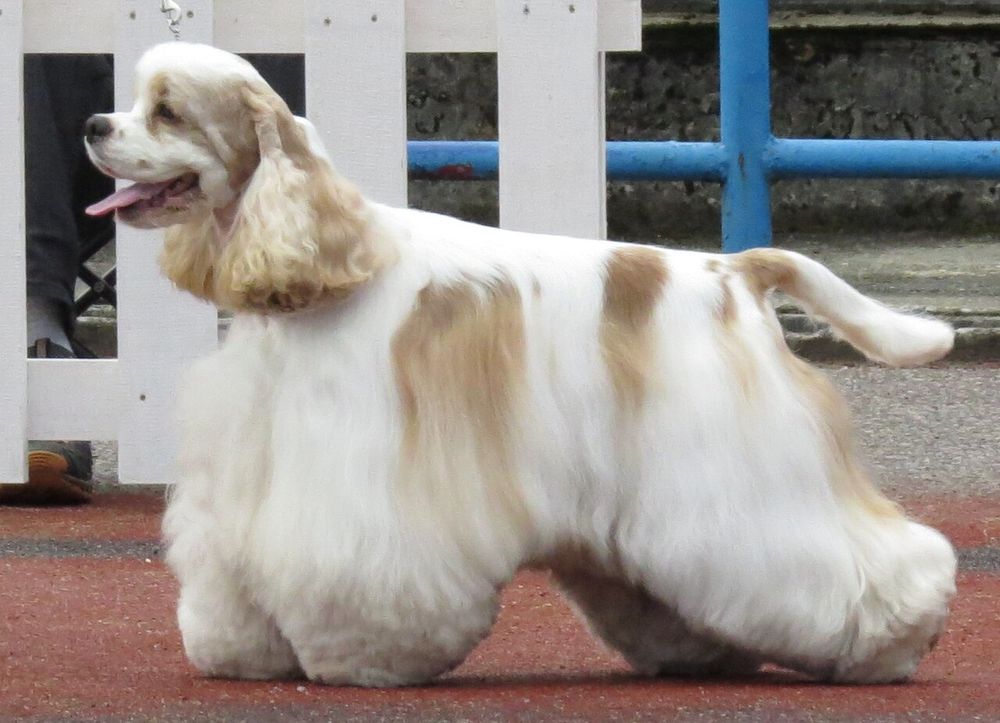 DogAmerican Cocker SpanielAlso: American Cocker, Cocker Spaniel (American)A gentle, people-loving spaniel with a long, silky coat. How a sitter keeps up with combing, ears, eyes and company.SmallModerate energy10 to 14 yearsHeat: copes with care
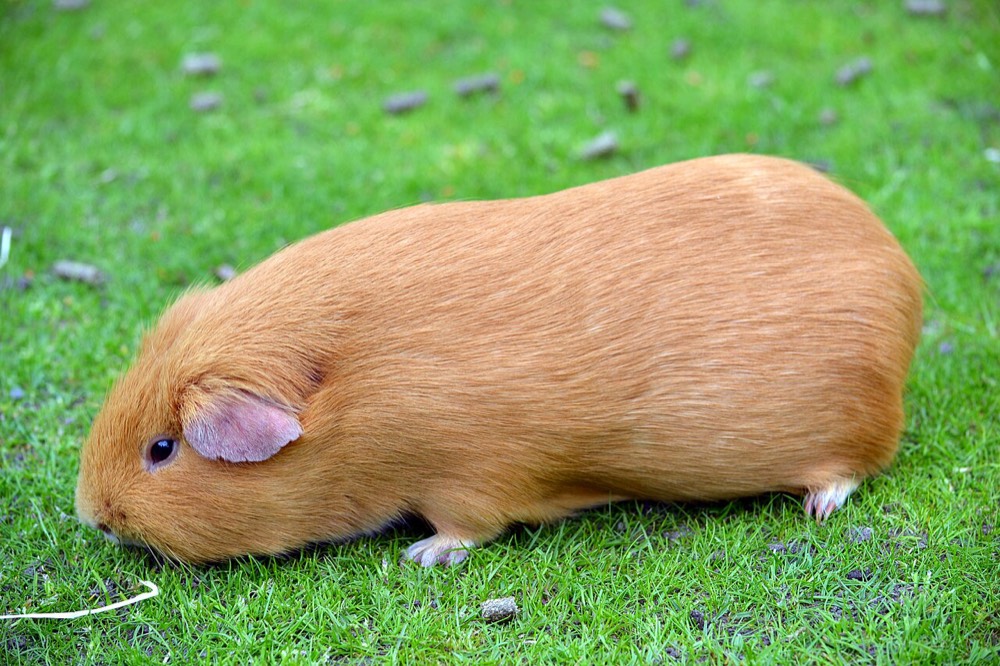 Guinea pigAmerican guinea pigAlso: American cavy, English guinea pigThe smooth, short-coated guinea pig: easy grooming, but teeth, weight and summer heat still need watching.SmallModerate energy5 to 8 yearsHeat: struggles in heat
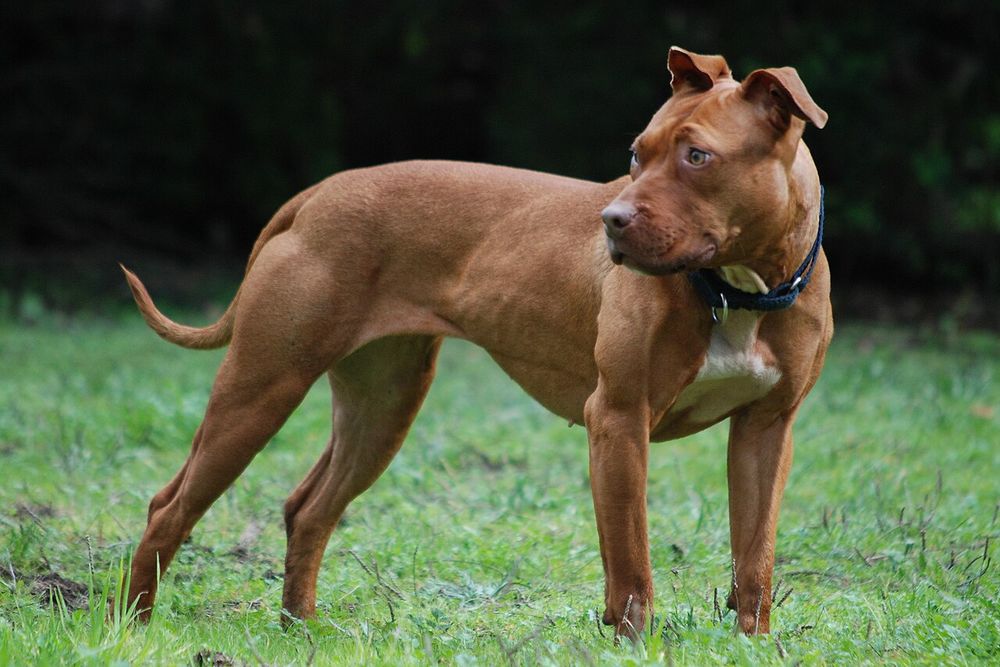 DogAmerican Pit Bull TerrierAlso: Pit bull, PitbullA strong, people-loving dog with a complicated legal history in India. Its status, how a sitter handles it in a society, and its care needs.MediumModerate energy12 to 16 yearsHeat: copes with care
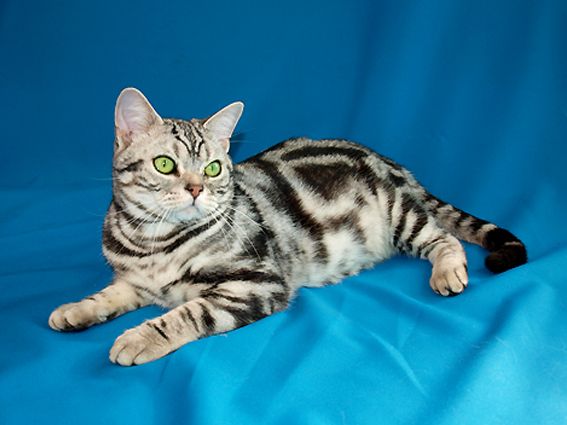 CatAmerican ShorthairAlso: American Shorthair cat, ASHAn easygoing ex-ship's cat: independent enough for visits, keen on hunting games, easy to overfeed.MediumModerate energy15 to 20 yearsHeat: copes with care
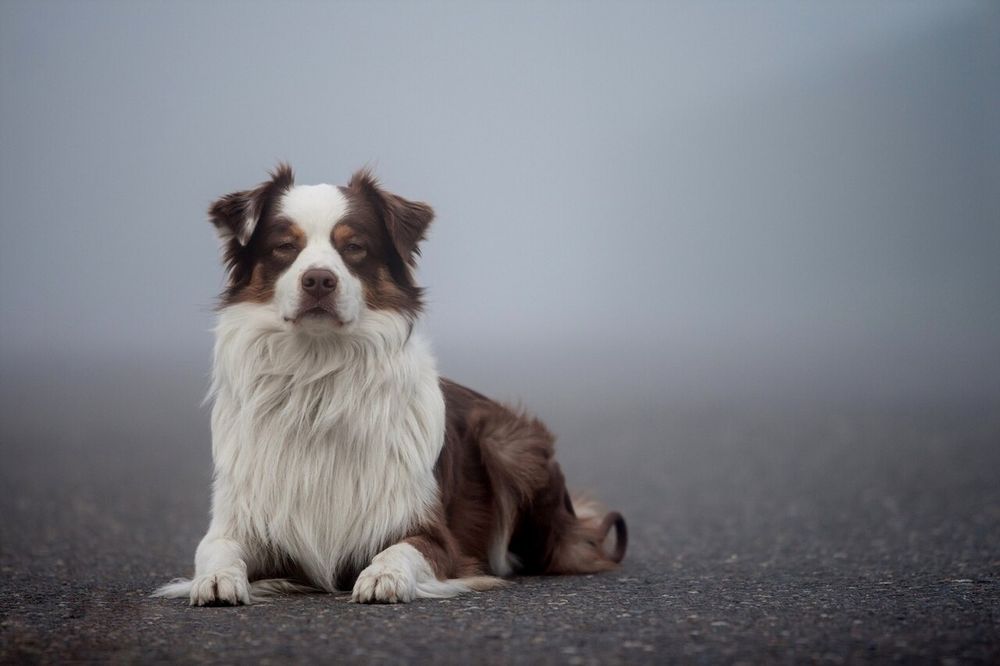 DogAustralian ShepherdAlso: Aussie, Aussie ShepherdA tireless herding dog that needs a job every day. How a sitter fills an Aussie's day, and the medicine warning to pass on.MediumVery high energy12 to 15 yearsHeat: copes with care
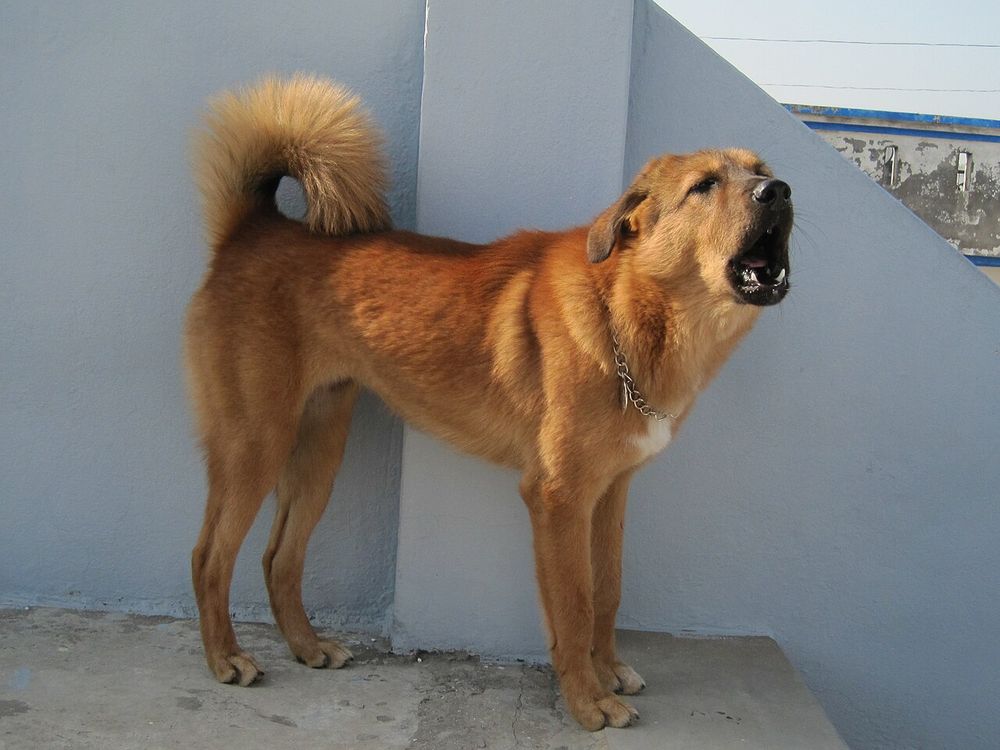 DogIndian breedBakharwal dogAlso: Bakarwal dog, Bakerwal dogThe flock guardian of the Bakarwal and Gujjar herders of Jammu and Kashmir: protective, rare and little studied.MediumHigh energy6 to 10 yearsHeat: struggles in heat
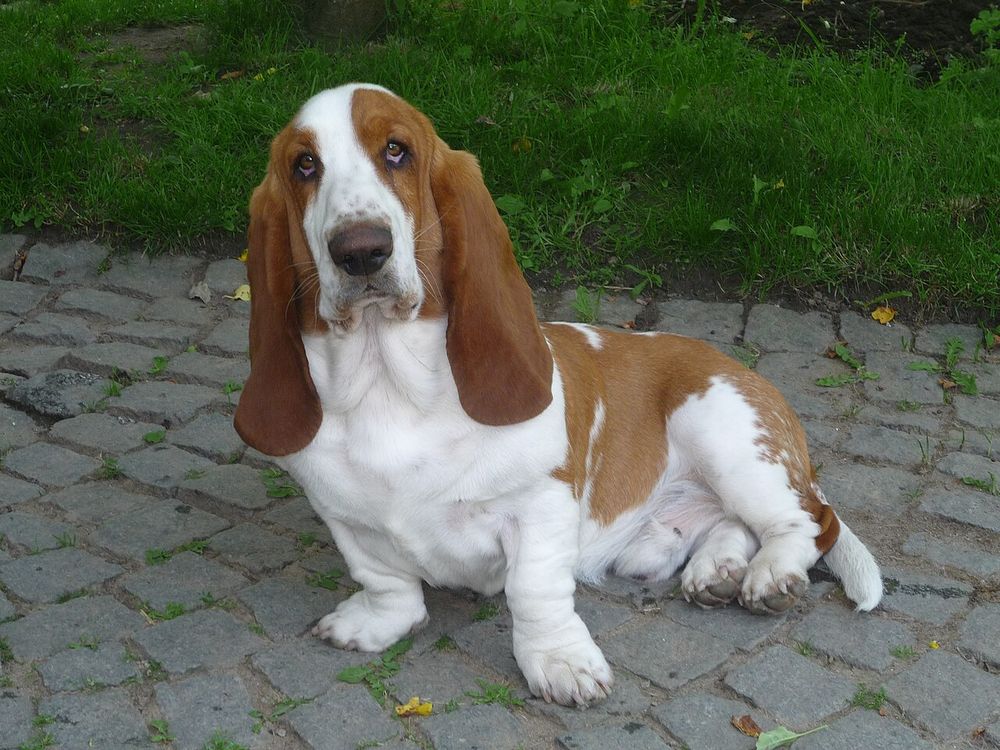 DogBasset HoundAlso: Basset, Basset dogA placid, sociable scent hound with long ears, loose skin and a big voice. How a sitter keeps ears, folds and eyes healthy in Indian humidity.MediumLow energy12 to 13 yearsHeat: copes with care
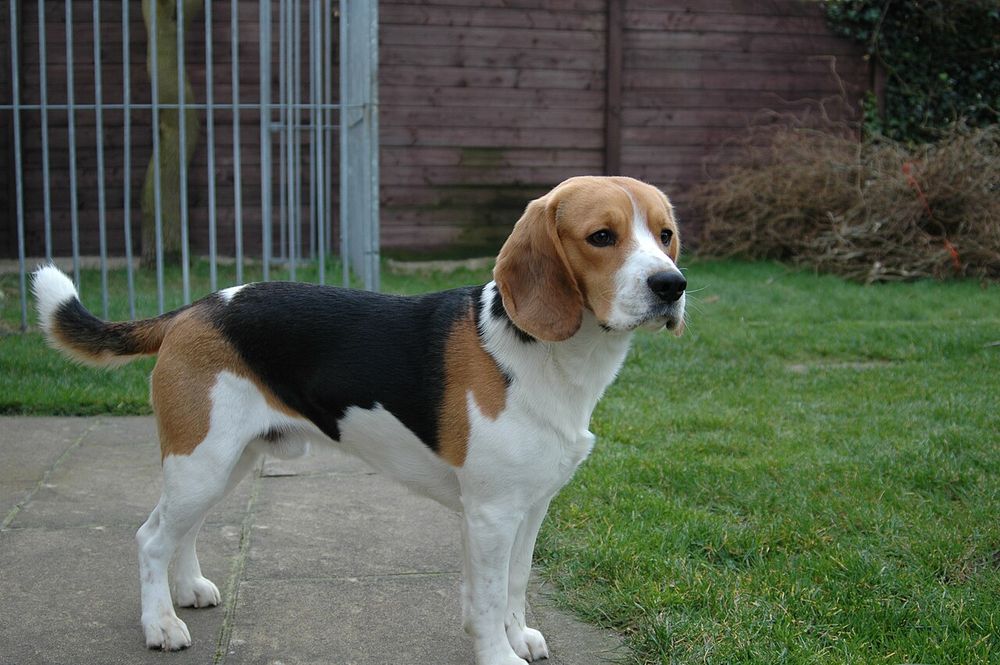 DogBeagleAlso: Beagle houndA merry scent hound with a nose for food and a voice to match. How a sitter manages walks, weight and howling.SmallHigh energy10 to 15 yearsHeat: copes with care
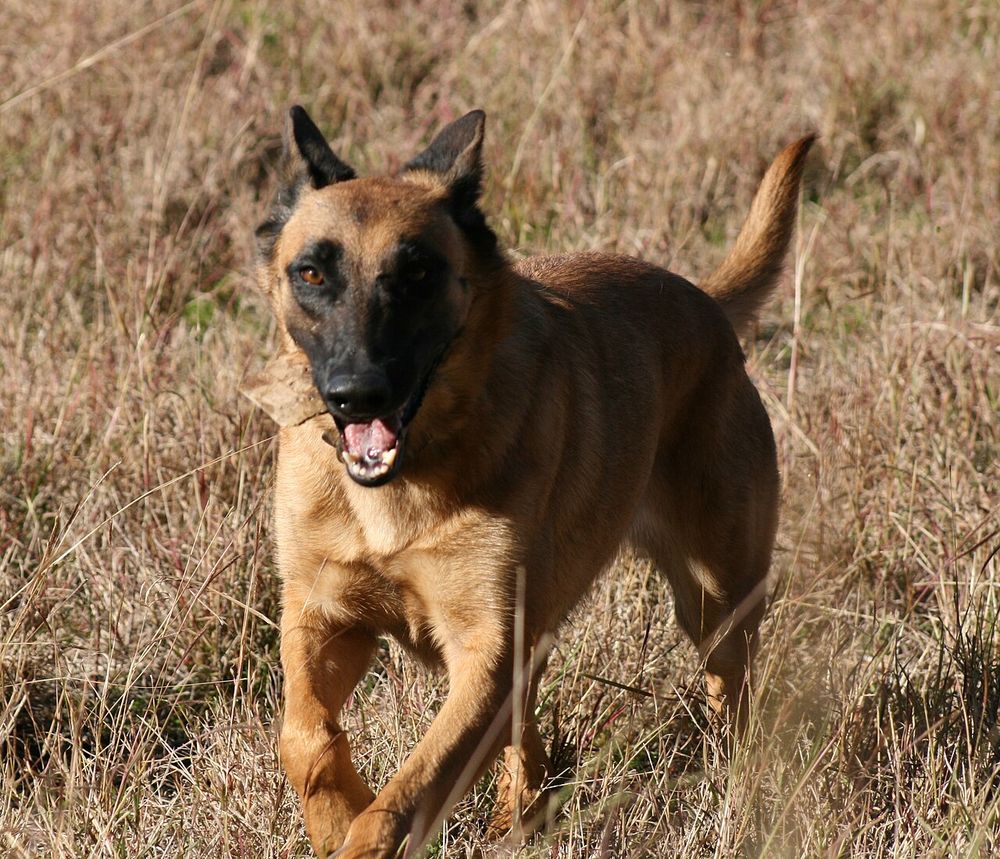 DogBelgian MalinoisAlso: Malinois, MaliA working dog with an appetite for work: an experienced sitter, a daily job and a cool-hours plan.LargeVery high energy14 to 16 yearsHeat: copes with care
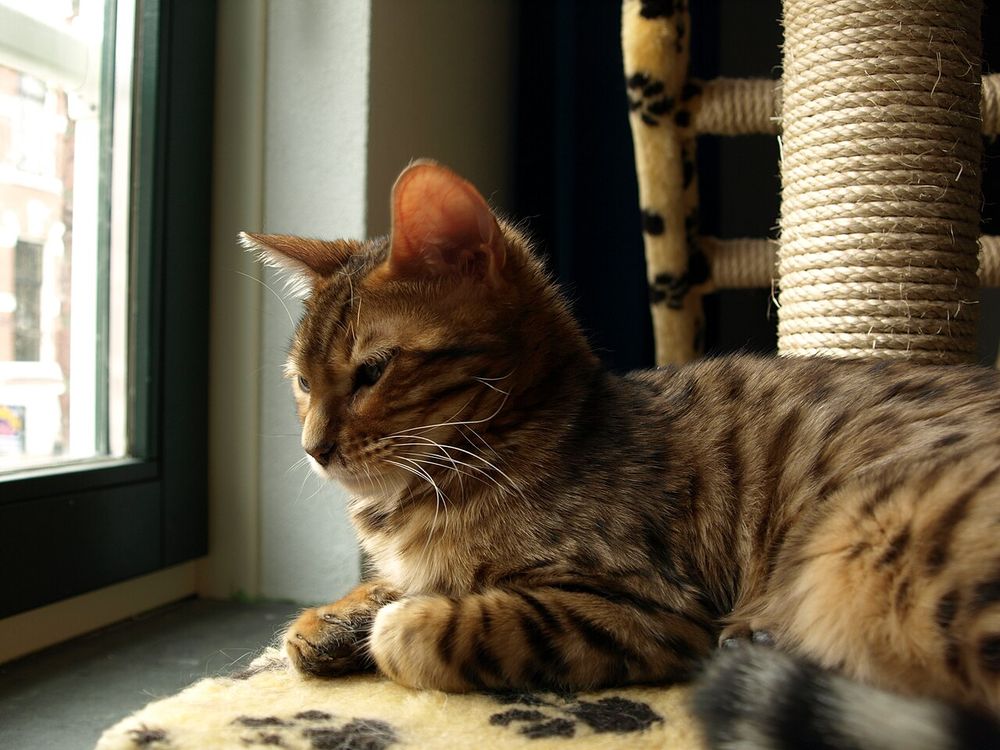 CatBengal catAlso: Bengal, Bengal kittenAn athletic, curious, vocal cat: a sitter's visits need real play, climbing and a secure flat.MediumVery high energy12 to 16 yearsHeat: copes with care
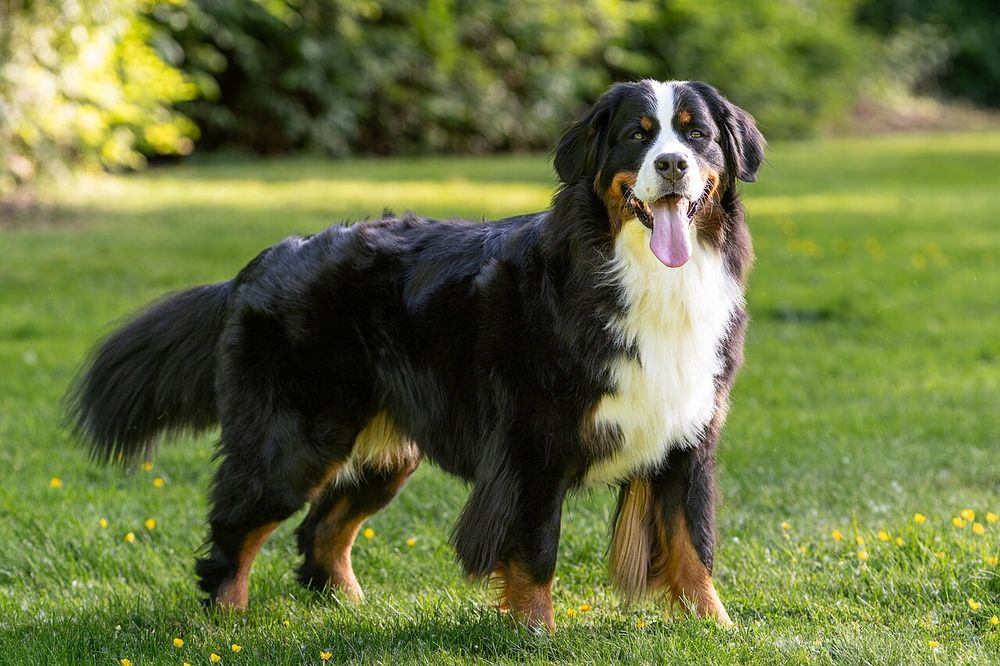 DogBernese Mountain DogAlso: Berner, BerneseA big, placid Swiss farm dog with a heavy double coat. How a sitter keeps a Berner cool, brushed and comfortable in India.LargeModerate energy7 to 10 yearsHeat: struggles in heat
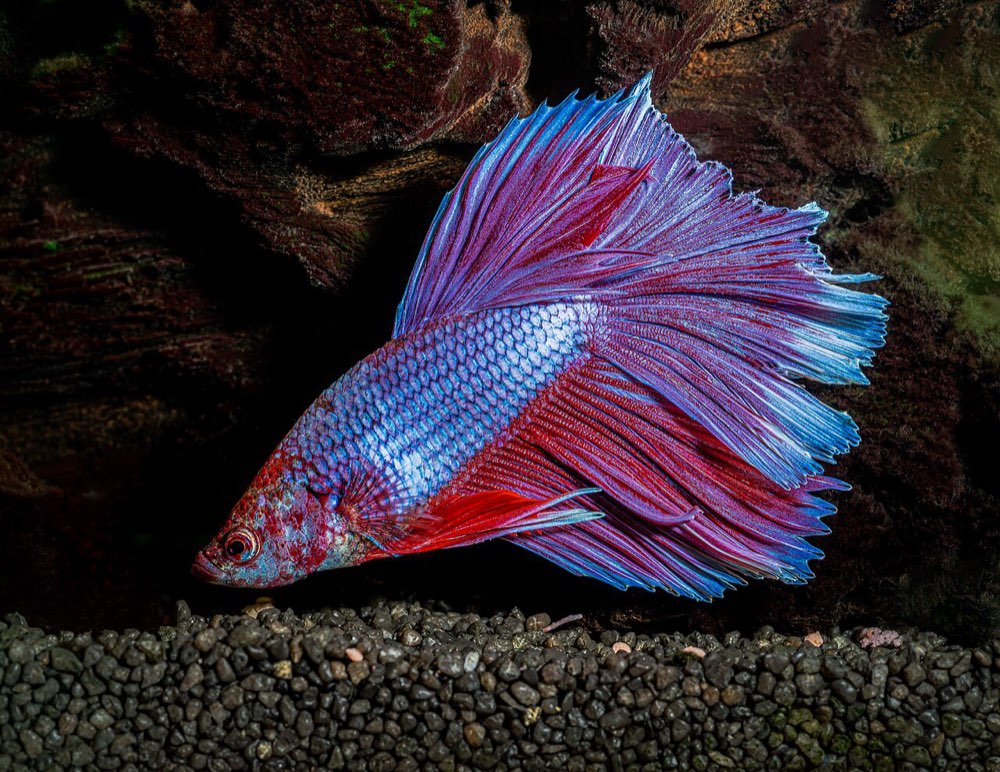 FishBetta fishAlso: Betta, Siamese fighting fishOne male per tank, warm still water and a single small meal: a heater, a lid and a careful sitter.SmallLow energy3 to 5 yearsHeat: copes with care
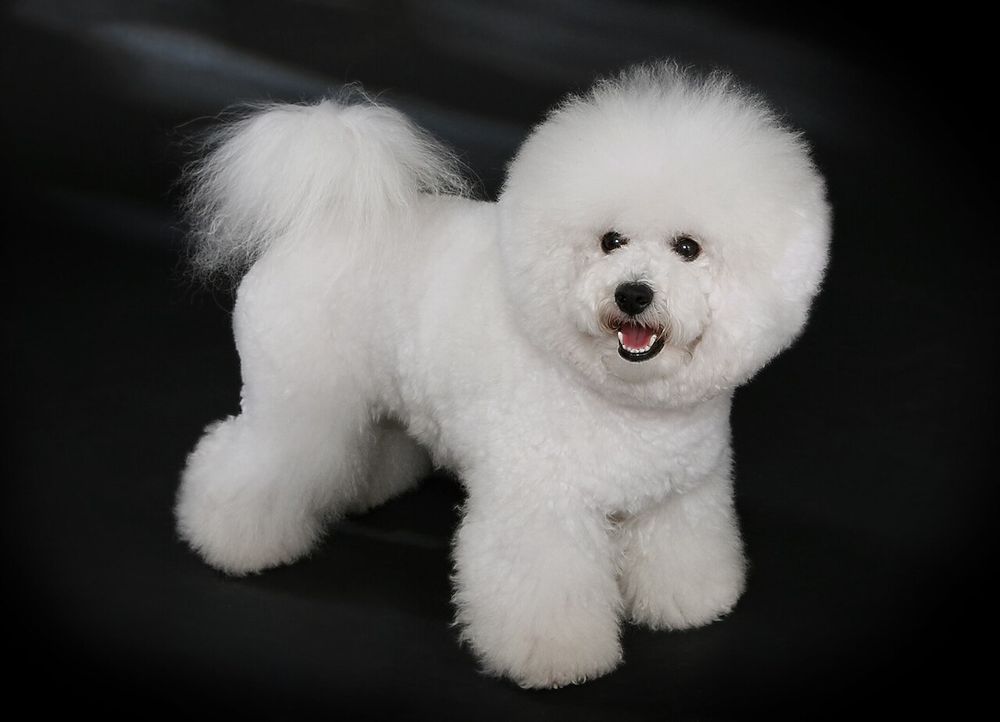 DogBichon FriseAlso: Bichon, Bichon FriséA cheerful white companion dog that loves everyone and hates being alone. How a sitter handles the coat, the knees, the teeth and house training.SmallModerate energy14 to 15 yearsHeat: copes with care
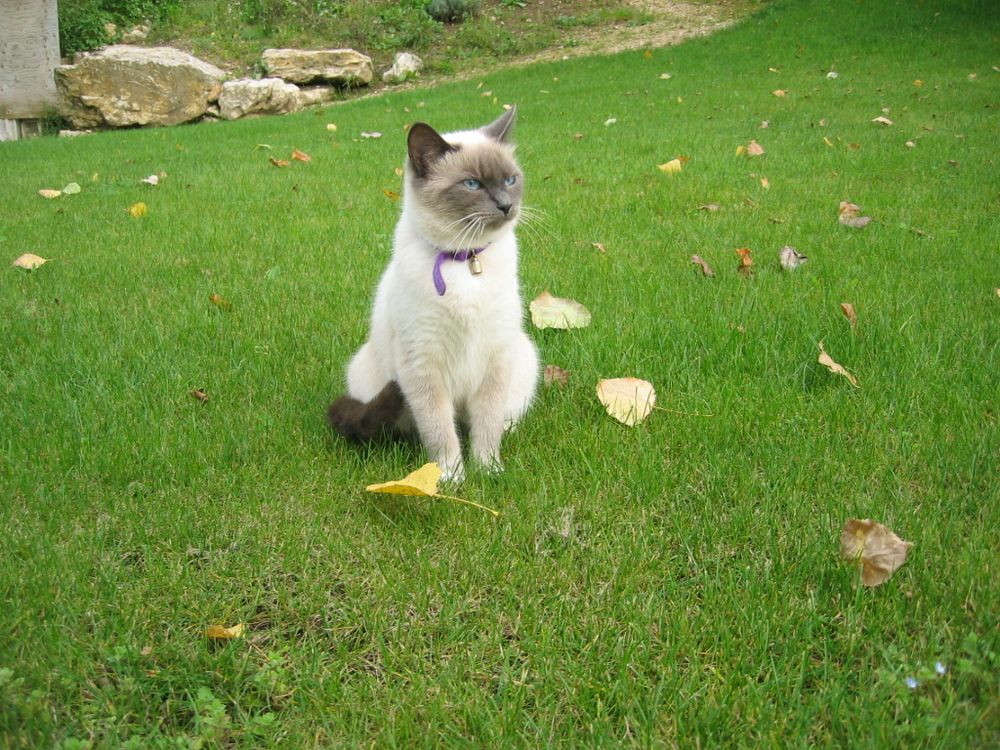 CatBirmanAlso: Birman cat, Sacred Cat of BurmaSilky coat, white gloves and a cat that follows you about: easy grooming, real need for company.MediumModerate energy12 to 16 yearsHeat: copes with care
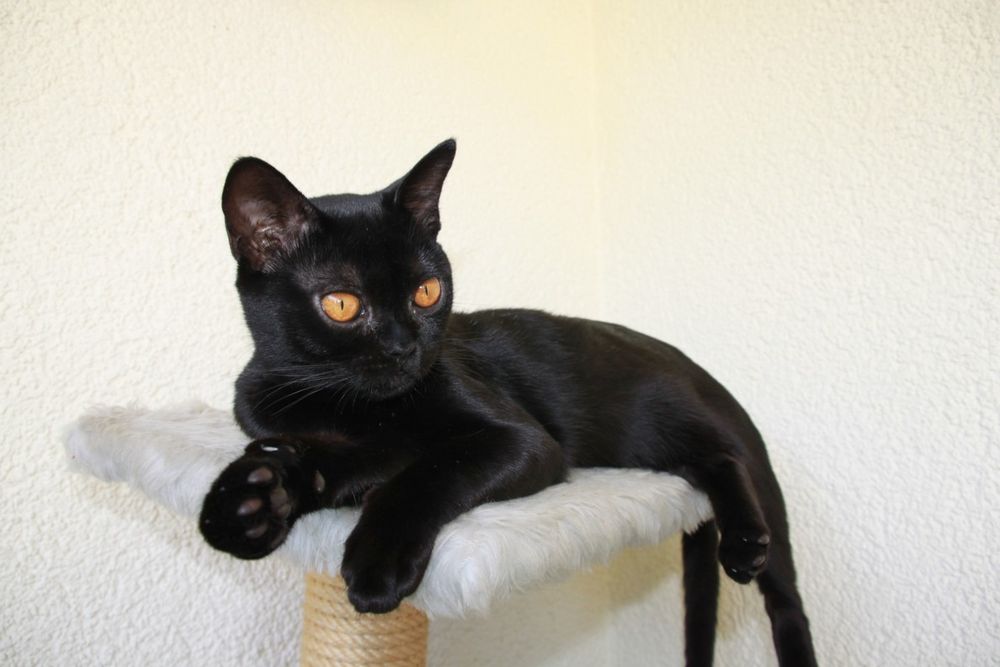 CatBombay catAlso: Bombay, Asian Self BlackA glossy black, people-loving pedigree from Kentucky: easy coat care, with potassium and heart risks to know.MediumModerate energy16 to 18 yearsHeat: copes with care
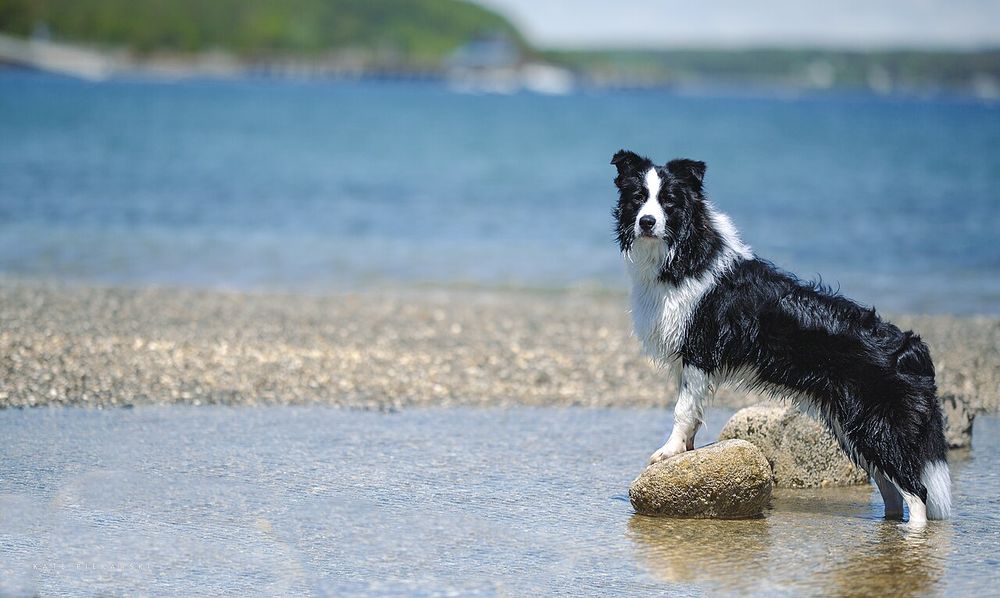 DogBorder CollieAlso: Collie, BCA working mind in a city flat: two hours of activity, daily brain work and no human medicines.MediumVery high energy12 to 15 yearsHeat: copes with care
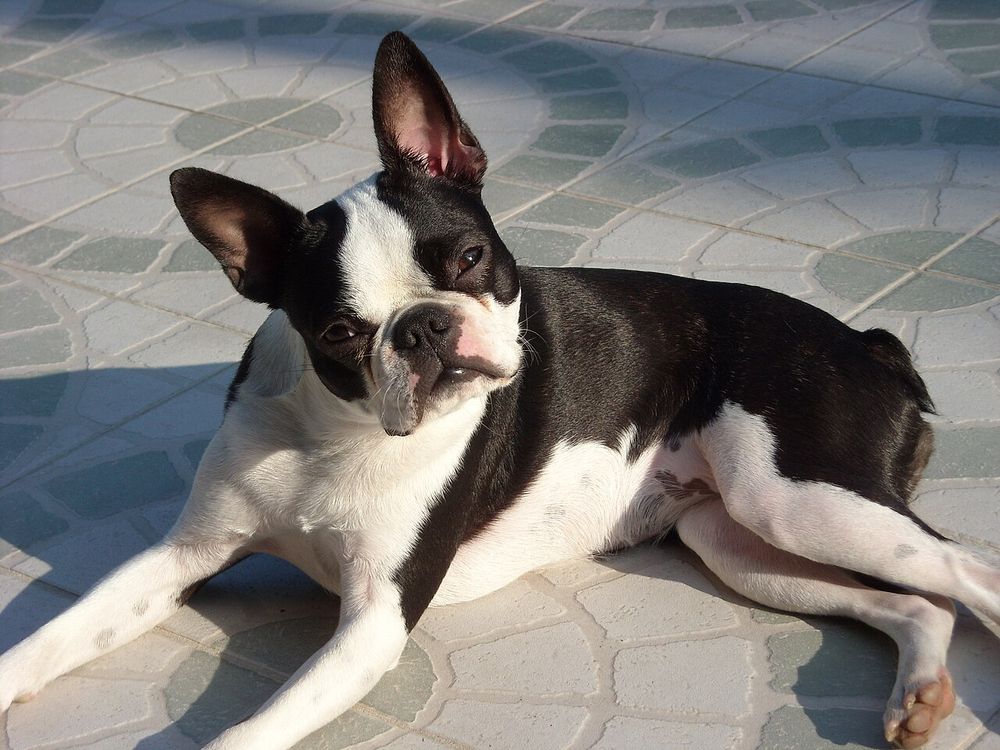 DogBoston TerrierAlso: Boston, Boston BullA lively, friendly little short-faced dog. How a sitter protects its breathing in the heat, its prominent eyes and its love of company.SmallModerate energy11 to 13 yearsHeat: struggles in heat
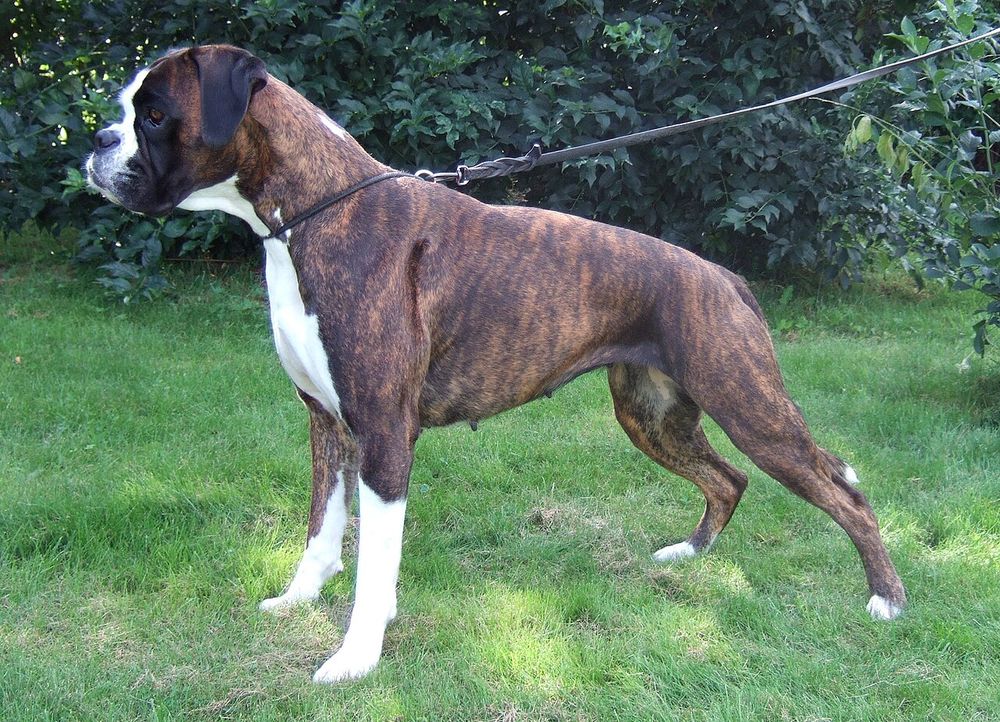 DogBoxerAlso: Boxer dog, German BoxerBig energy, a shortish muzzle and a heart to watch: exercise early, cool afternoons.LargeHigh energy10 to 12 yearsHeat: copes with care
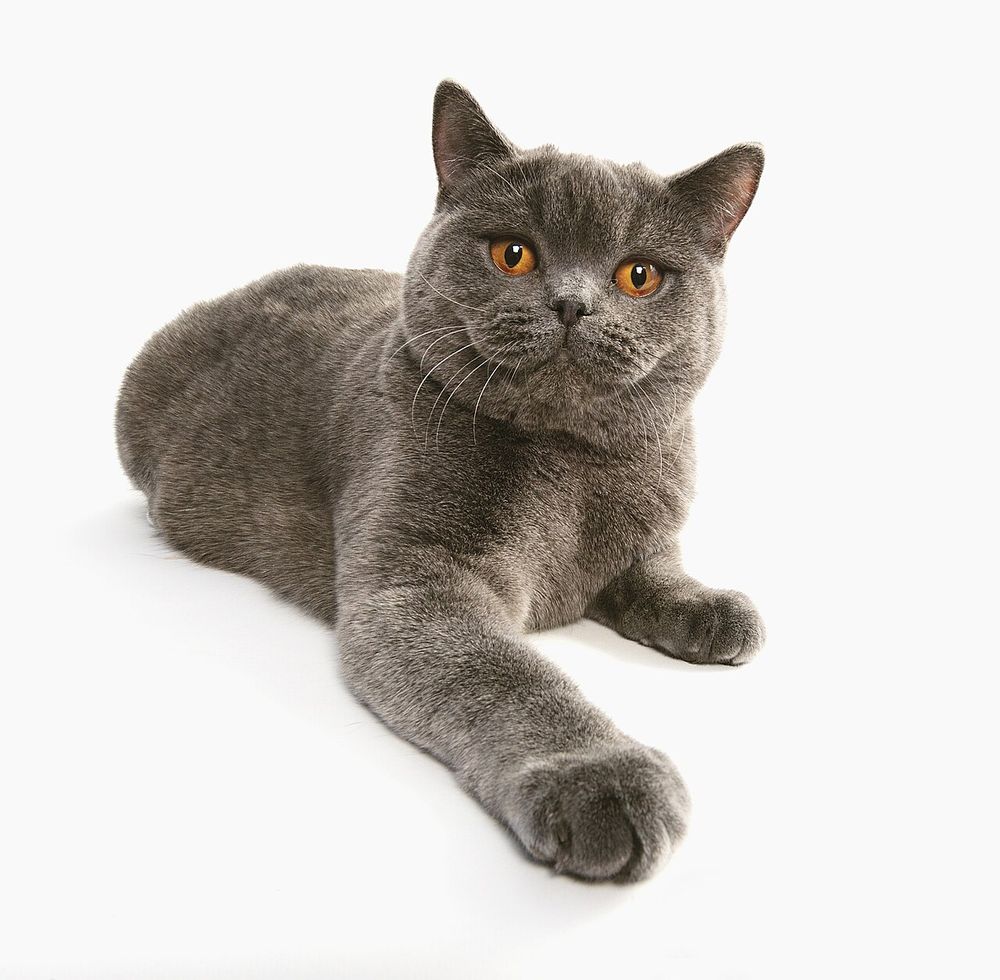 CatBritish ShorthairAlso: British Shorthair cat, BSHCalm, quiet and dense-coated: easy for a sitter, with heart, kidney and bleeding risks to know.MediumLow energy12 to 16 yearsHeat: copes with care
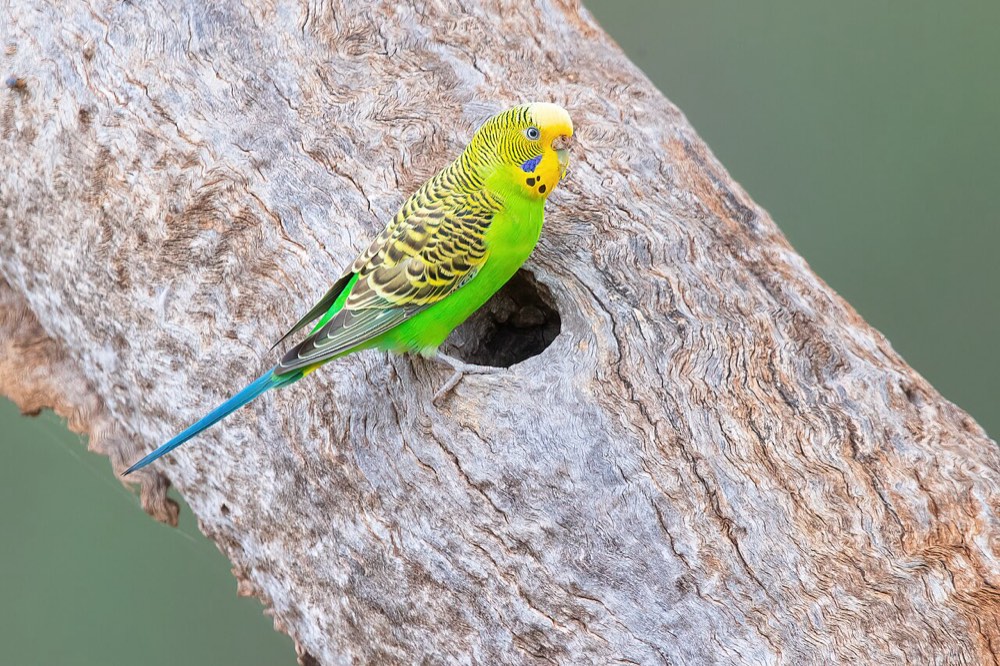 BirdBudgerigarAlso: Budgie, BudgiesA small Australian flock parrot: a pair, daily flight with the fans off, shade in summer and a sharp eye on lumps and crusts.SmallHigh energy5 to 10 yearsHeat: copes with care
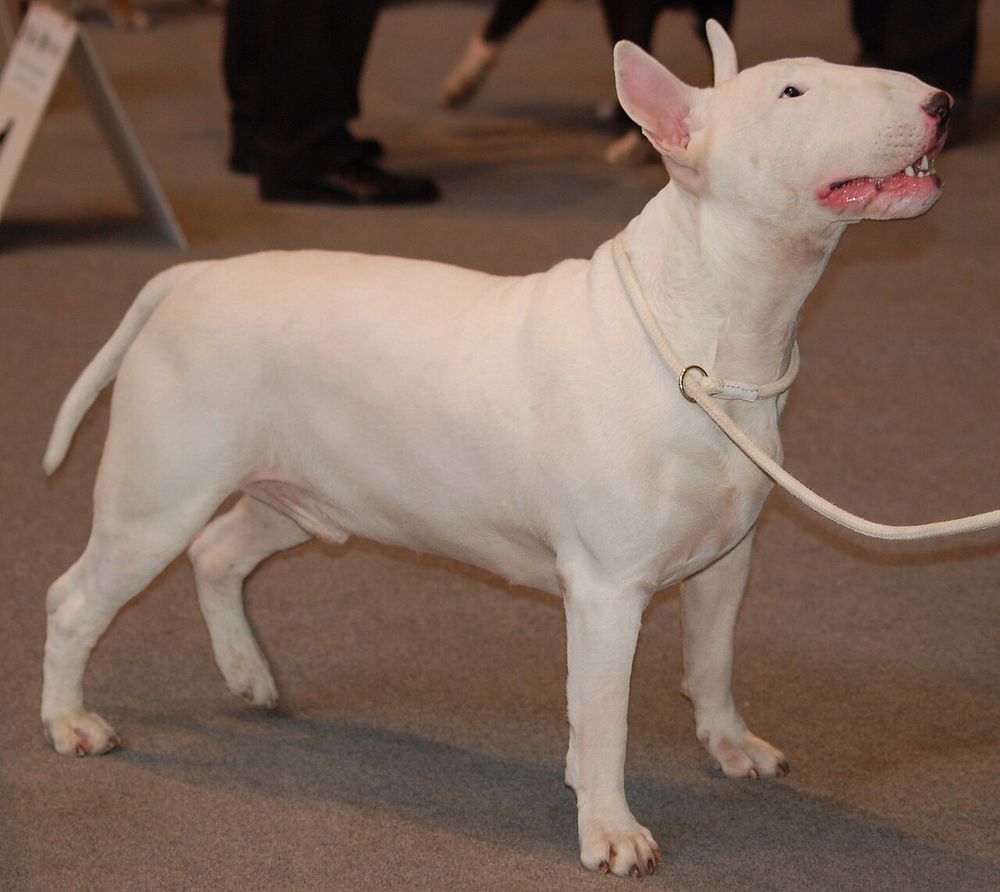 DogBull TerrierAlso: English Bull Terrier, BullyA muscular, fun-loving clown that adores people and is often wary of other dogs. How a sitter keeps it busy, safe with dogs and checked for health signs.MediumModerate energy12 to 13 yearsHeat: copes with care
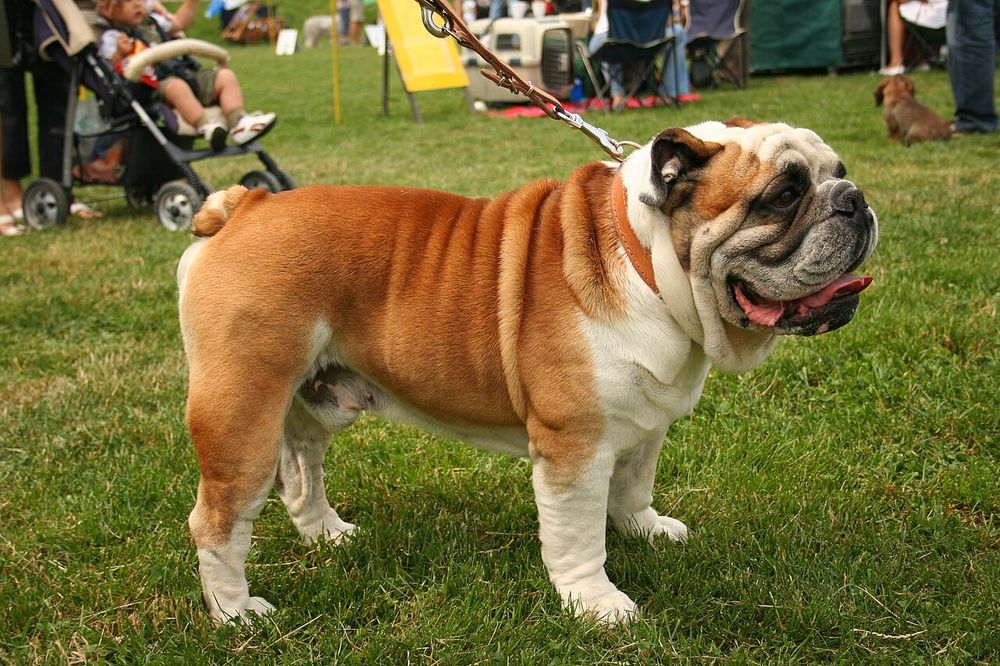 DogBulldogAlso: English Bulldog, British BulldogThe breed most at risk in heat: tiny summer walks, cool rooms and a daily fold and eye check.MediumModerate energy8 to 10 yearsHeat: struggles in heat
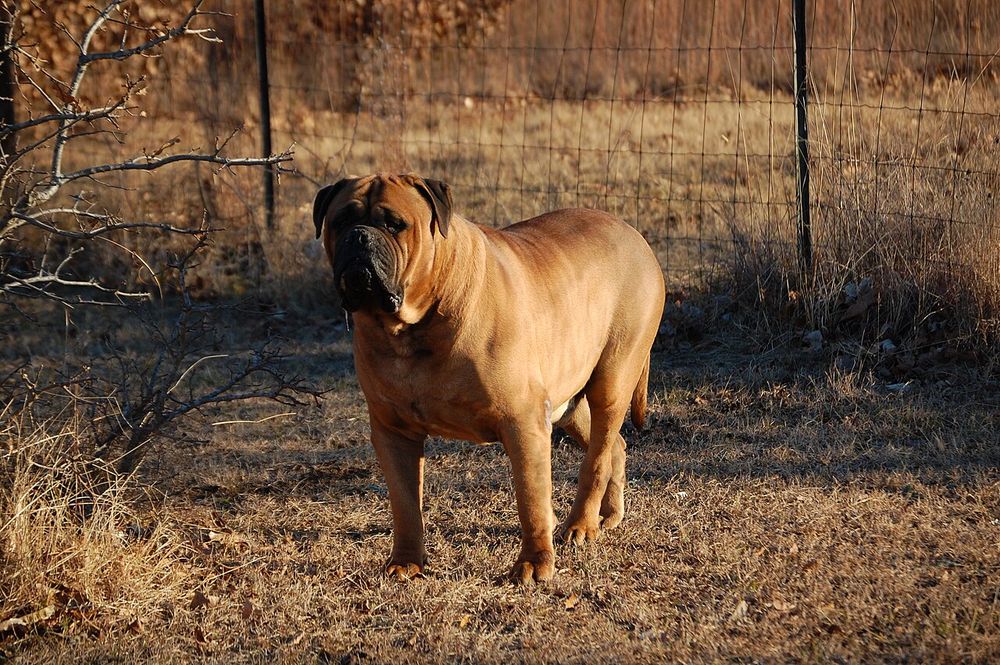 DogBullmastiffAlso: Bull Mastiff, Bullmastiff dogA massive, quiet guardian with a soft heart for its family. How a sitter handles its weight in Indian heat, its bloat risk and its guarding instinct.LargeModerate energy7 to 9 yearsHeat: struggles in heat
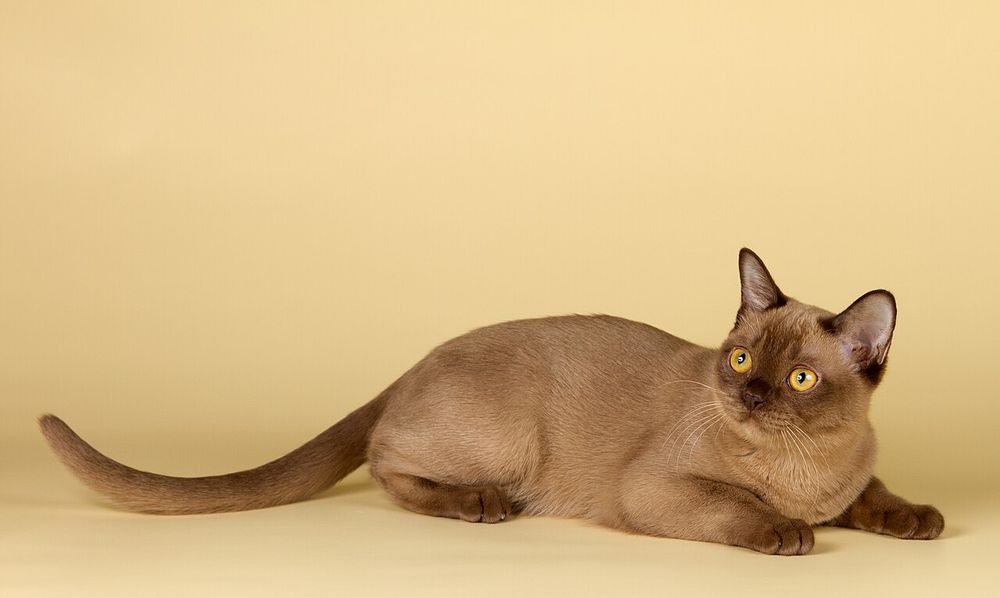 CatBurmese catAlso: Burmese, Burmese catA people cat that hates being ignored: company, weight control and three health signs a sitter must know.MediumHigh energy10 to 17 yearsHeat: copes with care
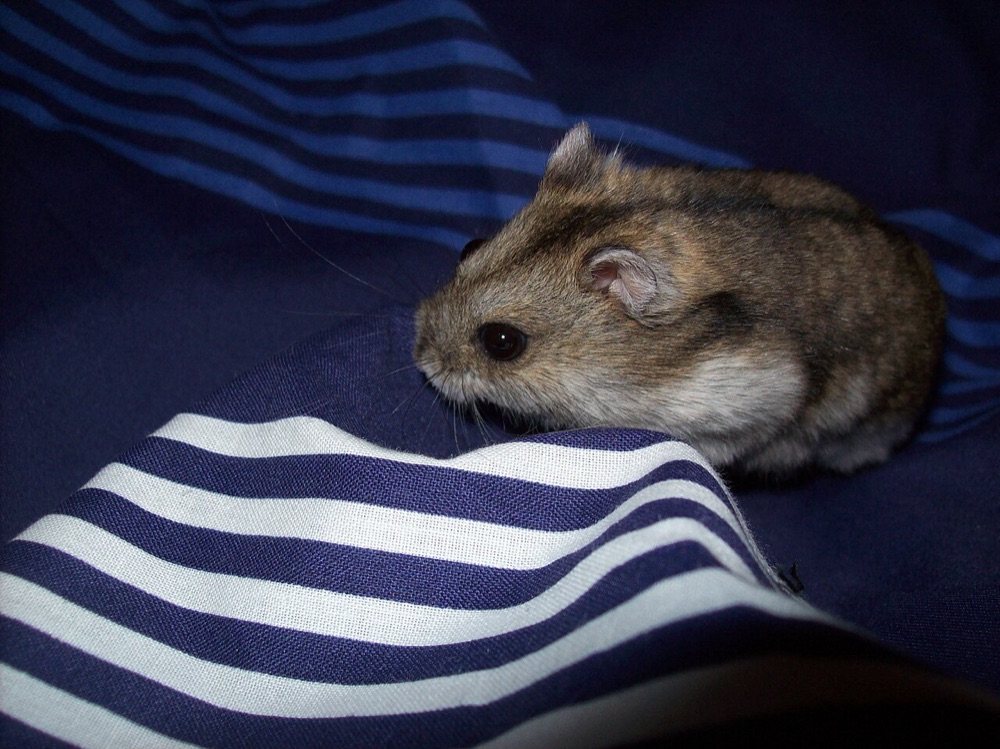 HamsterCampbell's dwarf hamsterAlso: Campbell's hamster, Campbell's Russian dwarf hamsterA striped Russian dwarf prone to diabetes: sugar-free food, water checks and an eye on cage mates.SmallHigh energy2 to 2.5 yearsHeat: struggles in heat
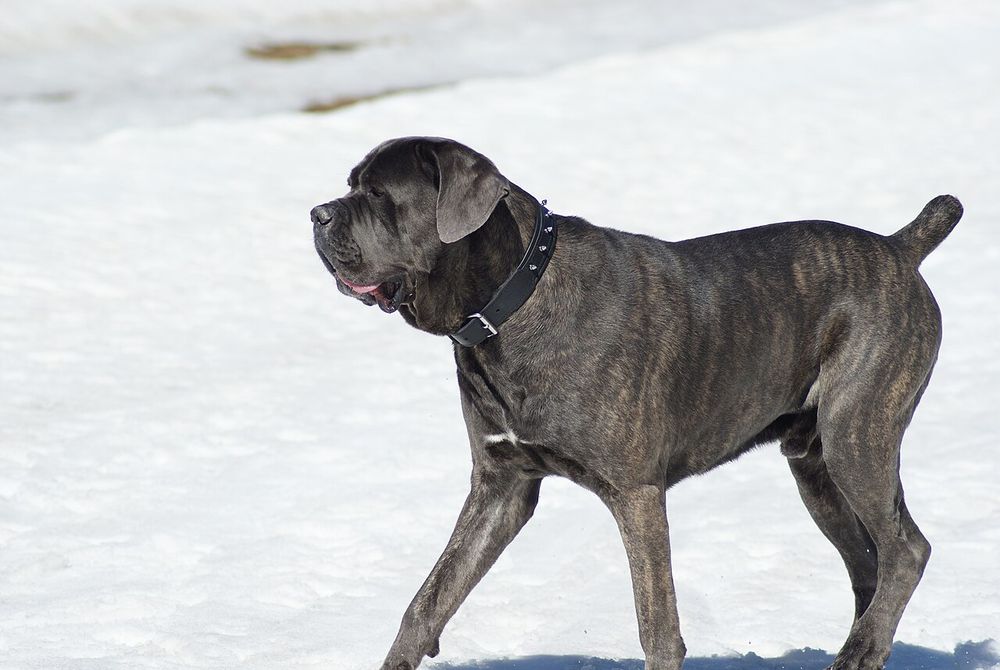 DogCane CorsoAlso: Cane Corso Italiano, Italian MastiffA powerful Italian guardian that bonds closely with its family and needs a confident handler. Its legal status in India, exercise in the heat and a sitter's plan.LargeHigh energy9 to 12 yearsHeat: copes with care
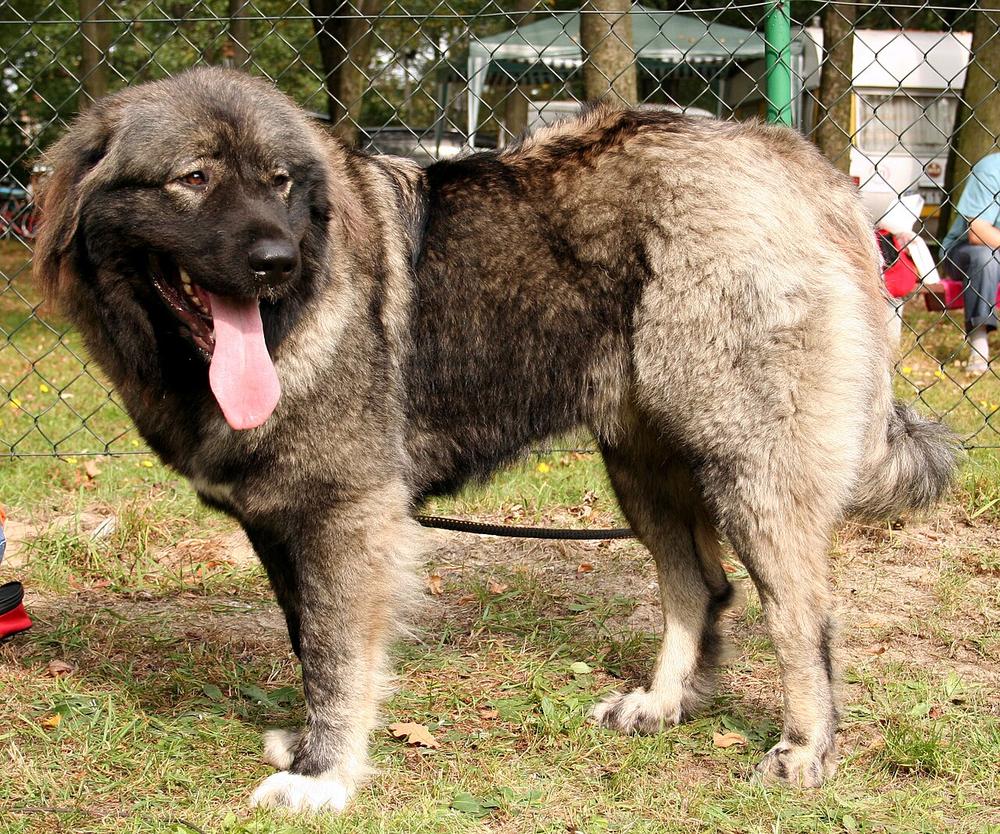 DogCaucasian Shepherd DogAlso: Caucasian Ovcharka, Caucasian SheepdogA serious flock and property guardian, named on the 2024 central breed list. Handling, heat and the rules for a sitter.GiantLow energy10 to 12 yearsHeat: struggles in heat
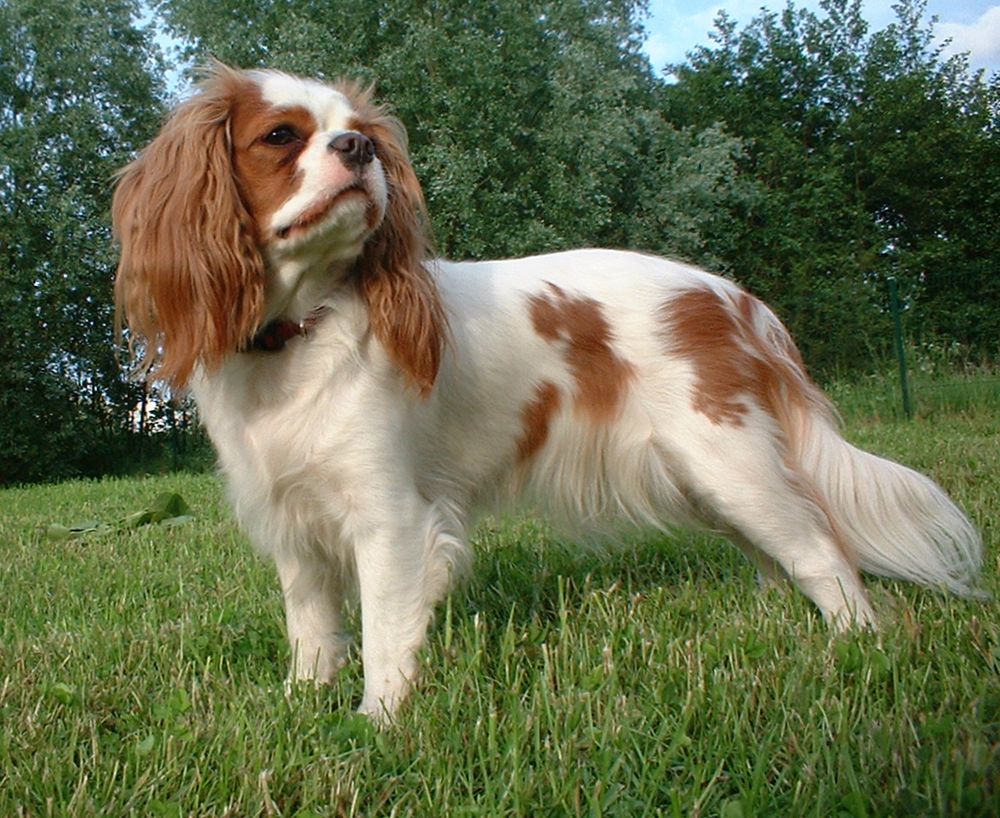 DogCavalier King Charles SpanielAlso: Cavalier, CKCSA gentle, affectionate toy spaniel that loves everyone. How a sitter watches its heart, keeps it cool and stops it slipping off the lead after a scent.SmallModerate energy12 to 15 yearsHeat: struggles in heat
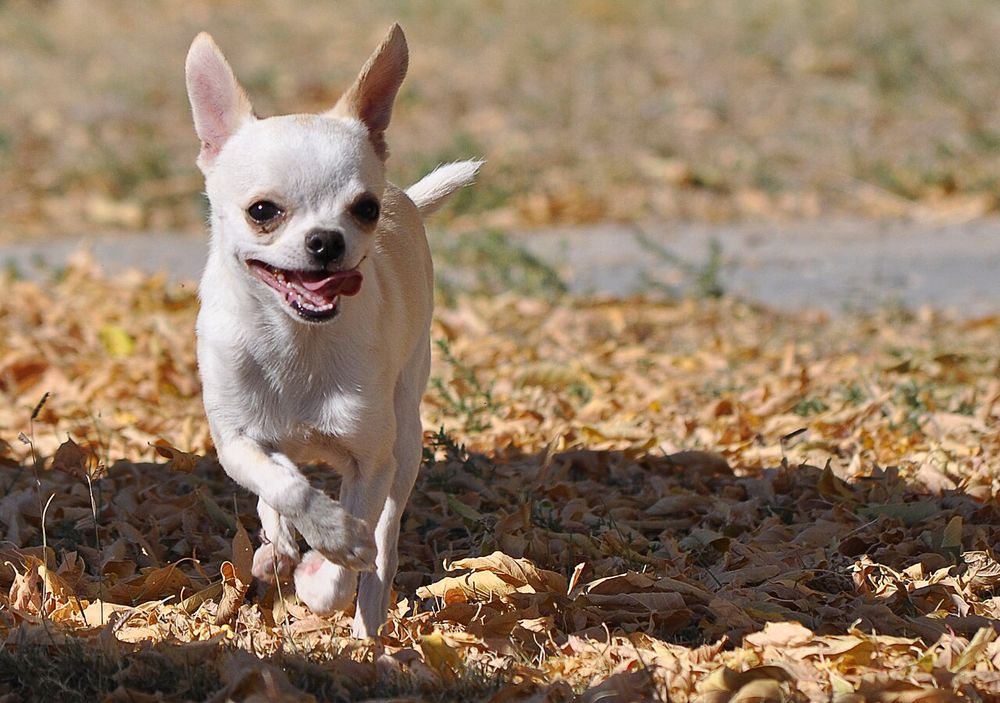 DogChihuahuaAlso: Chi, ChiwawaTiny and bold: the sitter's job is safe handling, closed doors, careful teeth and gentle knees.ToyLow energyHeat: copes with care
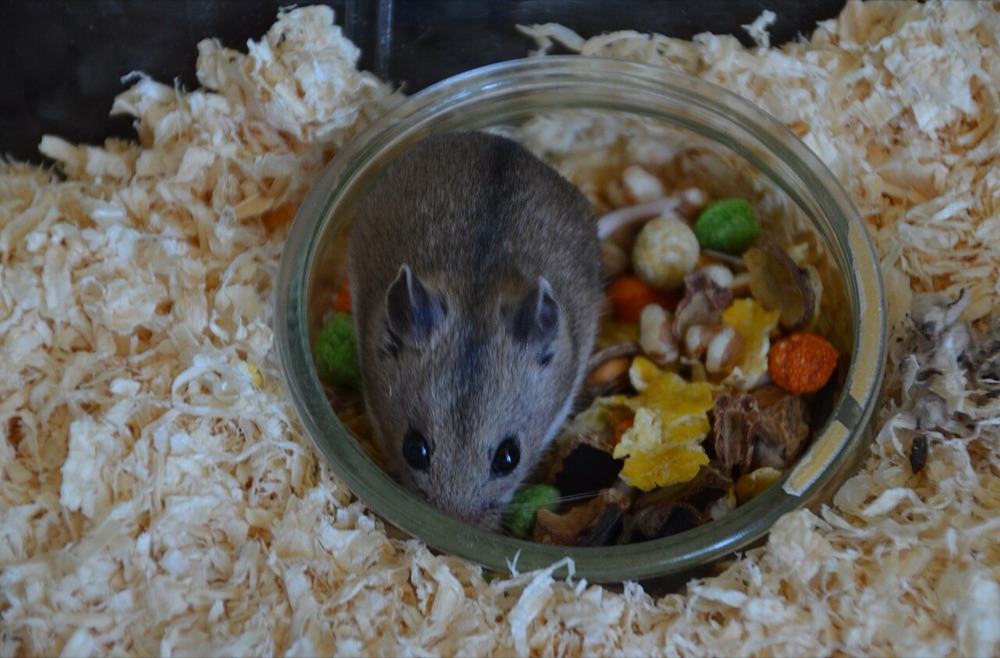 HamsterChinese hamsterAlso: Chinese dwarf hamster, Striped-back hamsterA slim, long-tailed hamster that must live alone: sugar-free food, a dry cage and careful evening visits.SmallHigh energy2 to 3 yearsHeat: struggles in heat
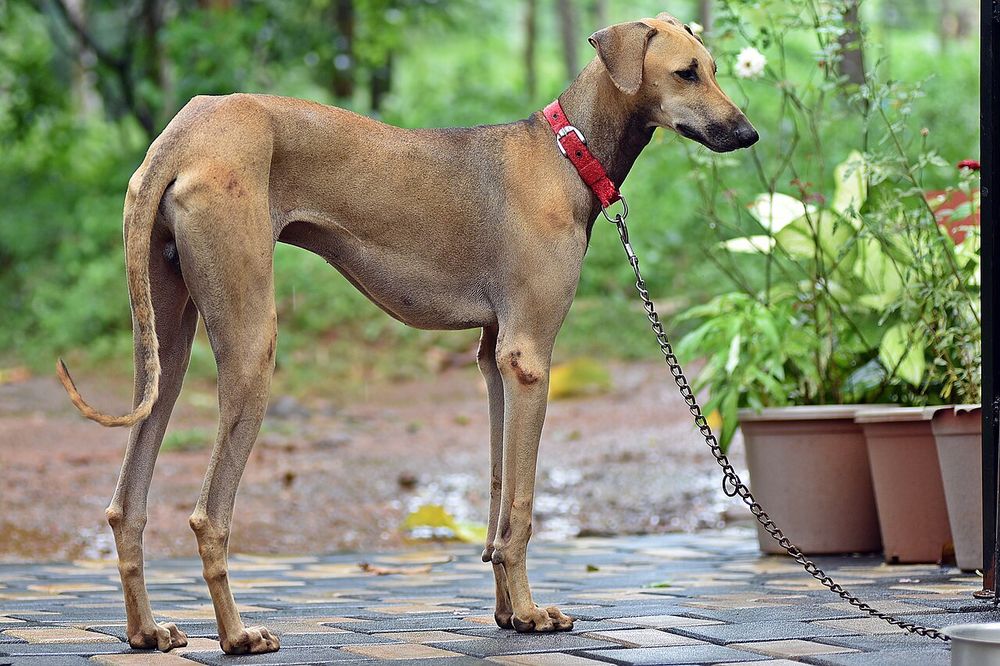 DogIndian breedChippiparaiAlso: Chippiparai dog, Chippiparai houndA lean, fawn sighthound from southern Tamil Nadu: secure walks, a soft bed and a sitter it knows.MediumHigh energyHeat: copes with care
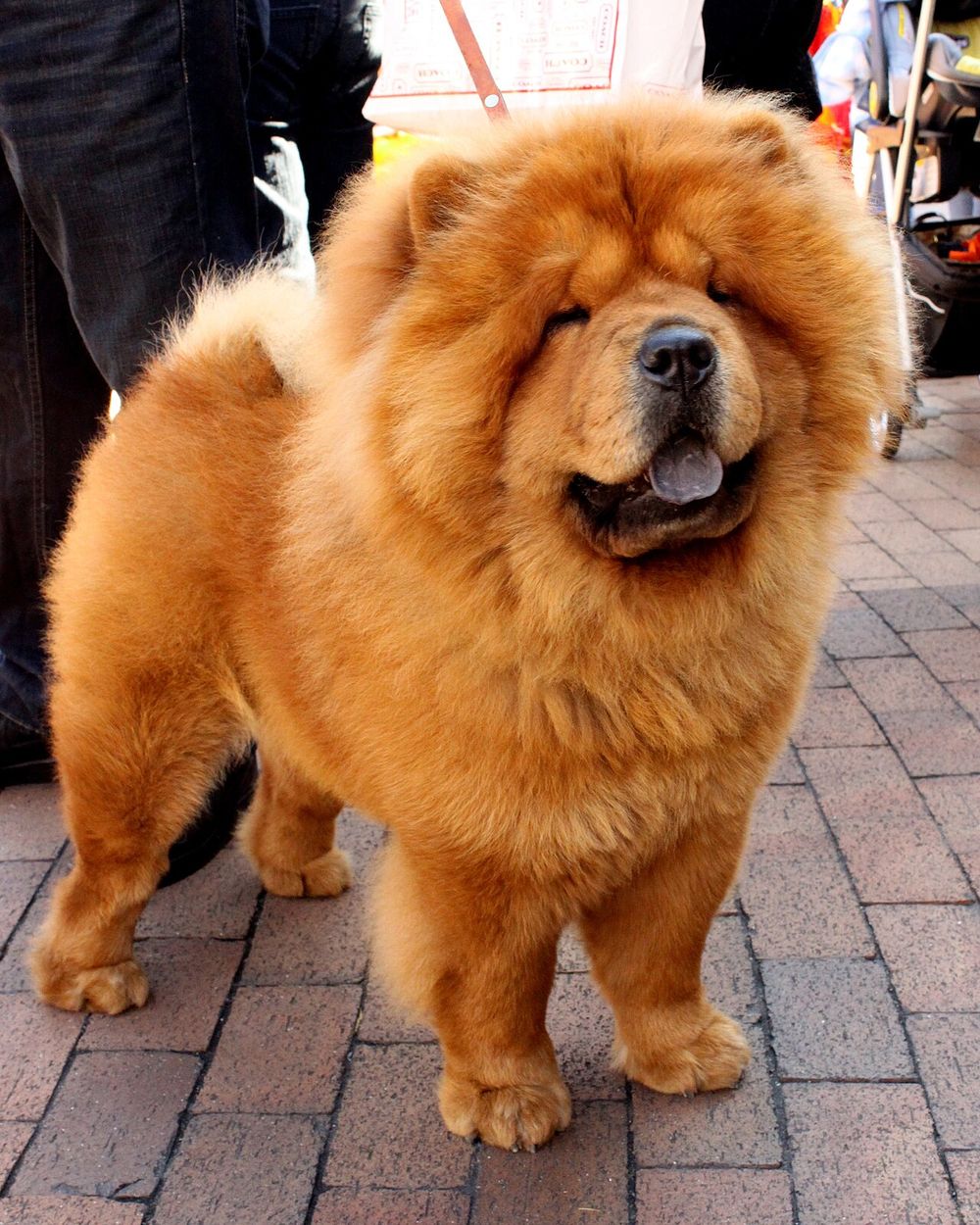 DogChow ChowAlso: Chow, Chow dogA dignified, aloof guard dog with a lion's mane and the highest heatstroke odds of any breed in a UK study. How a sitter keeps it cool, groomed and calm.MediumModerate energy8 to 12 yearsHeat: struggles in heat
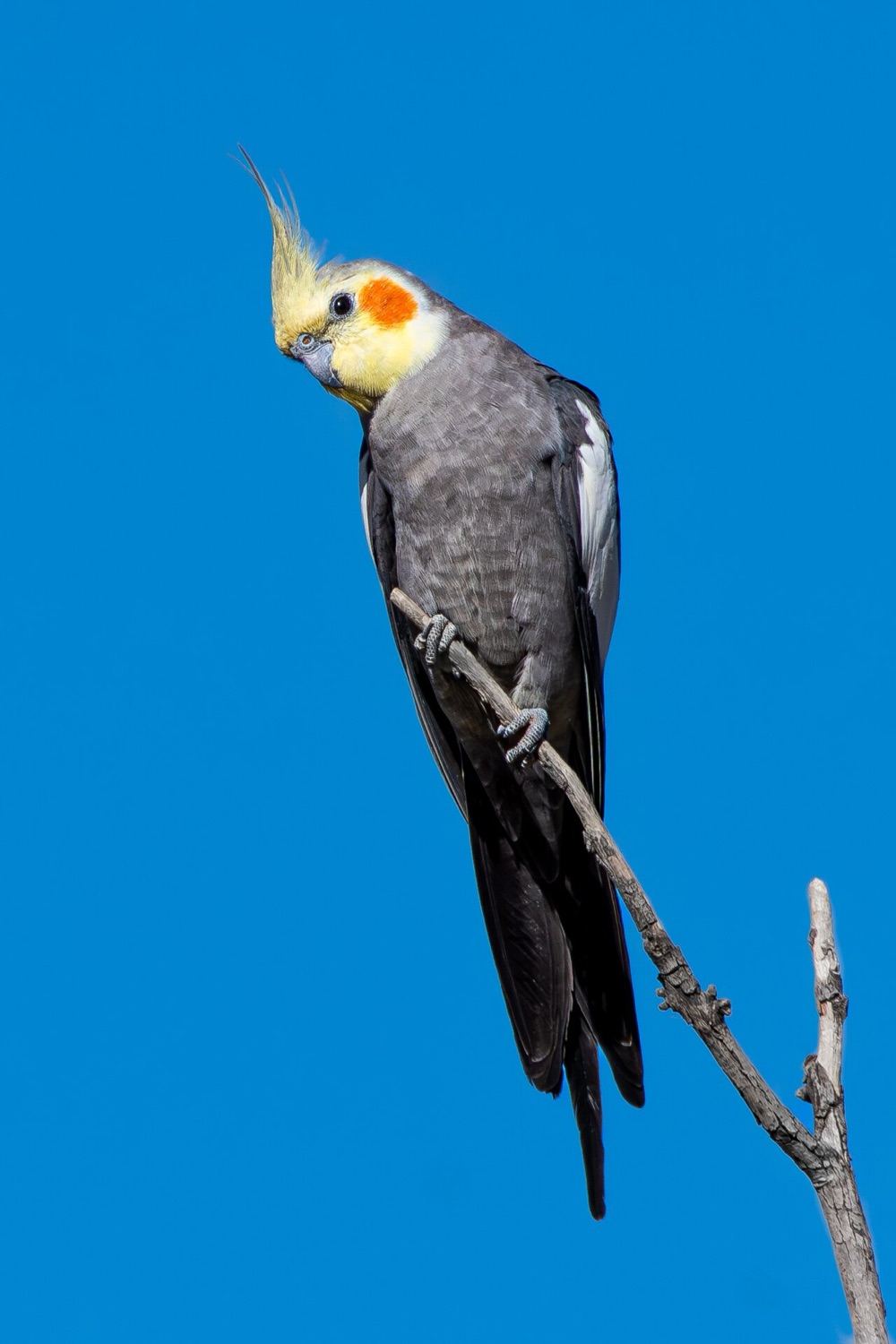 BirdCockatielAlso: Nymphicus hollandicus, Cockatiel parrotThe smallest of the cockatoo family: long-lived, sociable, prone to chronic egg laying, and in need of shade in an Indian summer.SmallModerate energy10 to 25 yearsHeat: copes with care
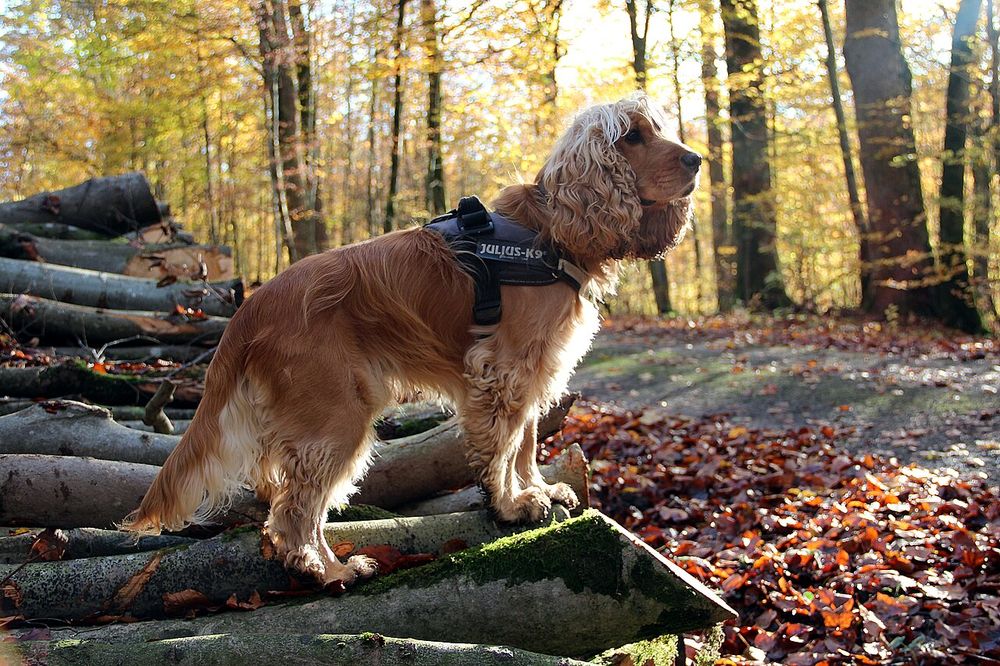 DogCocker SpanielAlso: Cocker, English Cocker SpanielA cheerful, sociable gundog with long ears and a feathered coat. What a sitter does about ears, coat, teeth and food.SmallModerate energyHeat: copes with care
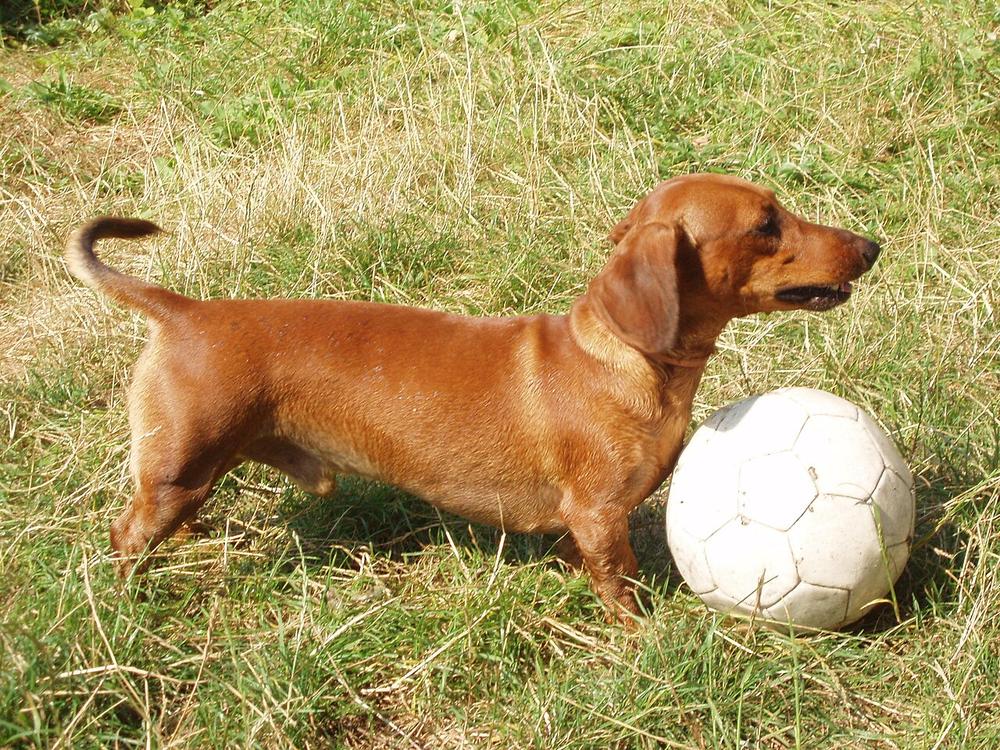 DogDachshundAlso: sausage dog, DoxieA long back that needs protecting: no jumps, a harness, steady weight and short cool walks.SmallModerate energyHeat: copes with care
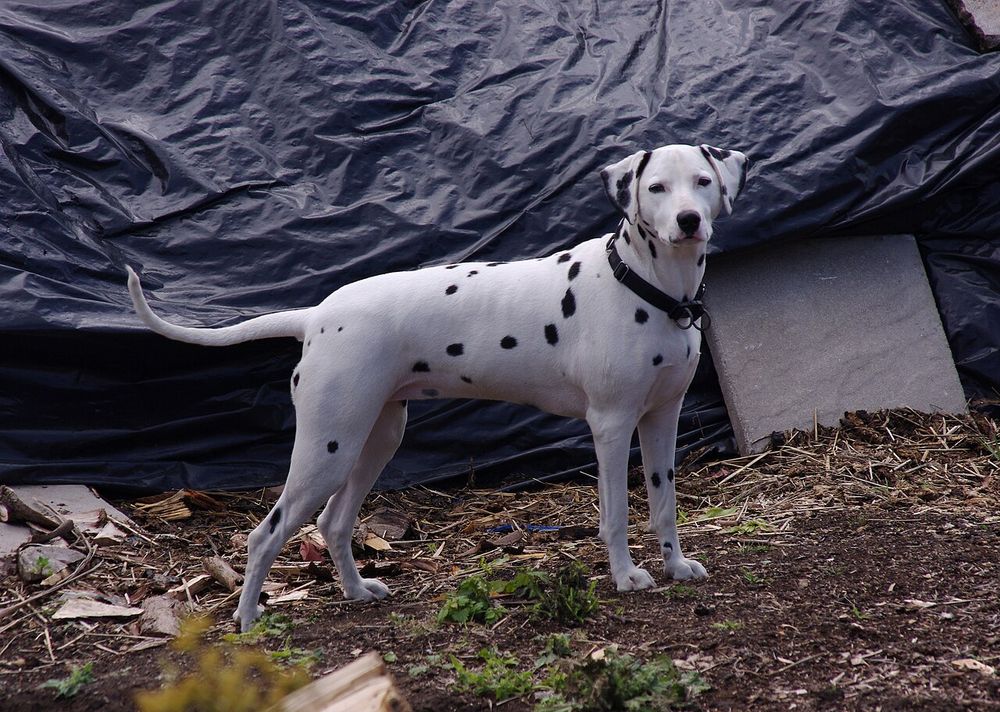 DogDalmatianAlso: Dal, DallyTwo hours of exercise, plenty of water and a check on hearing: a sitter must plan around all three.LargeVery high energy11 to 13 yearsHeat: copes with care
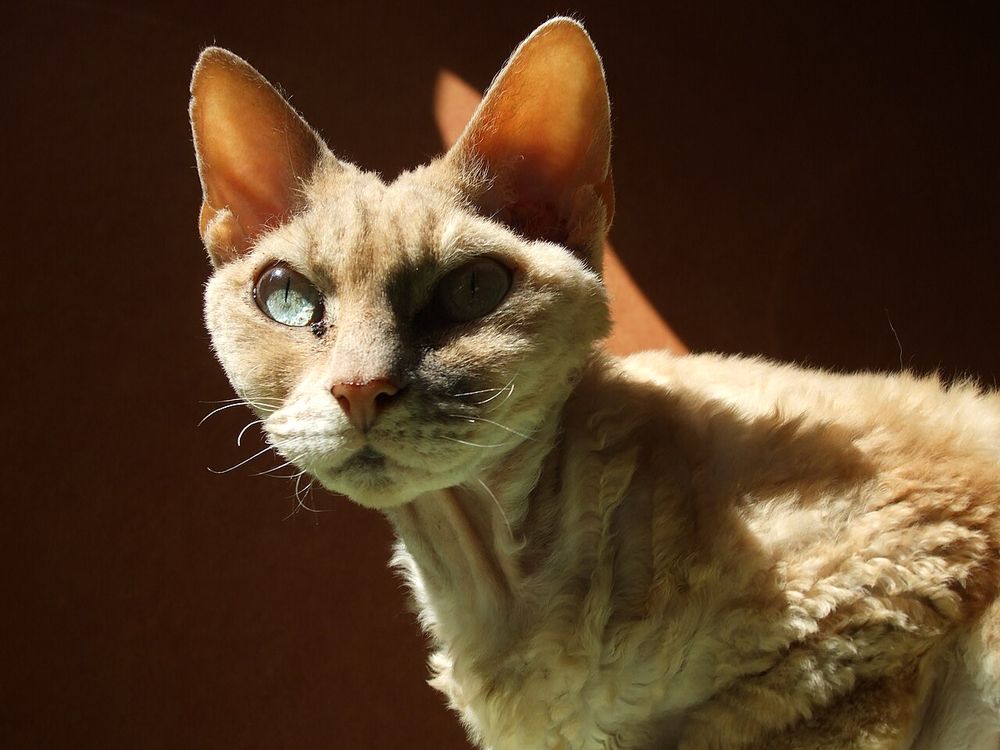 CatDevon RexAlso: Devon, Devon Rex catA curly, thin-coated cat that wants company: more visits, a warm bed under the AC, and choking risks to know.SmallHigh energy12 to 16 yearsHeat: copes with care
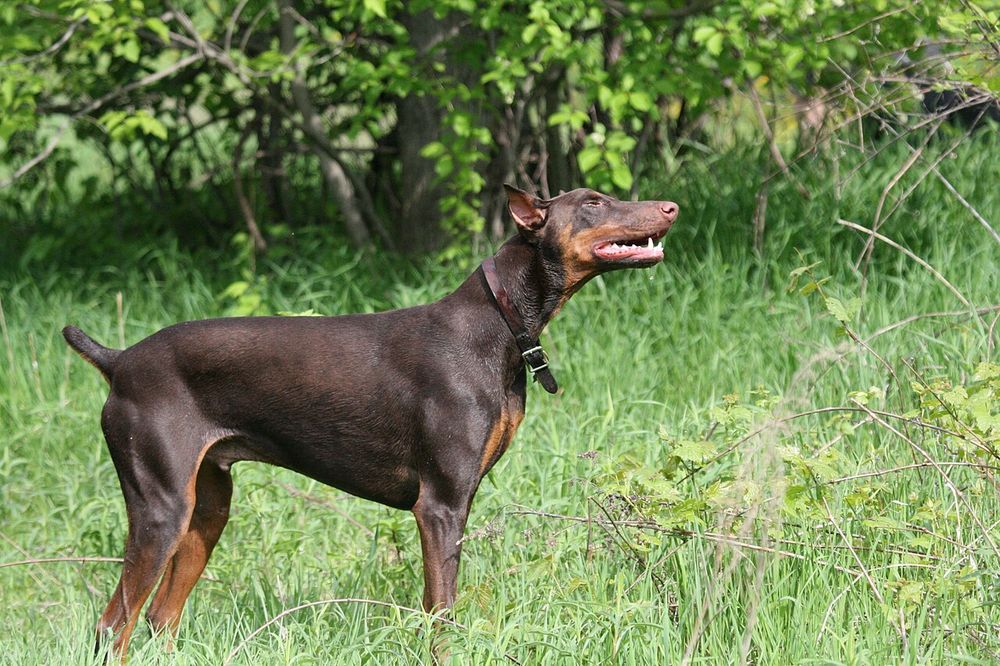 DogDobermannAlso: Doberman, DobieA fast, clever, people-focused guard dog with a heart condition common in the breed. What a sitter needs to know.LargeVery high energy10 to 12 yearsHeat: copes with care
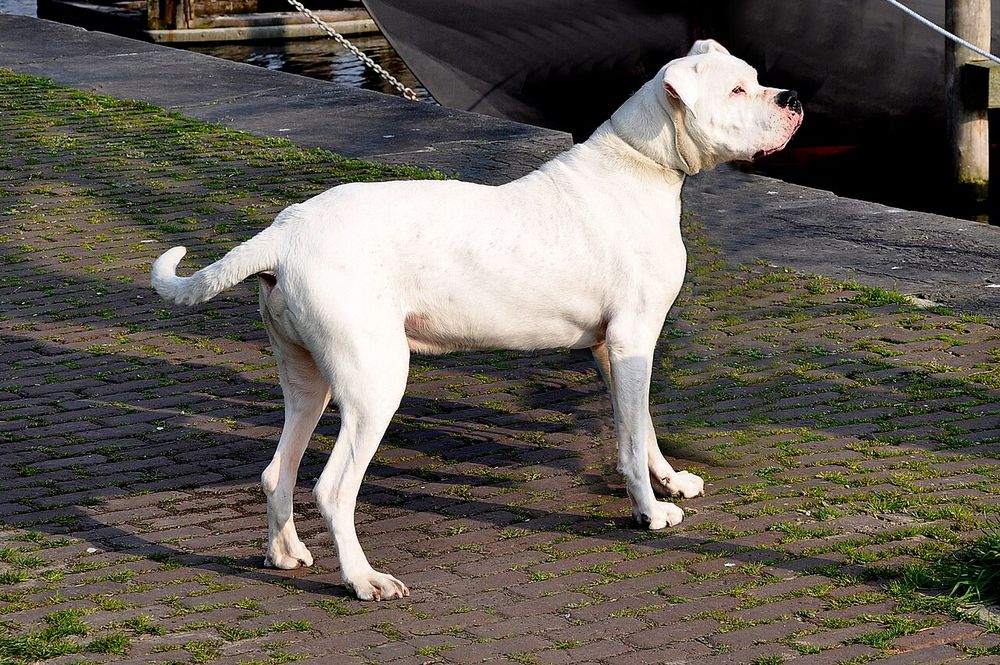 DogDogo ArgentinoAlso: Dogo, Argentine DogoA white, high-energy big-game hound on India's 2024 breed list. Deafness, exercise in heat and local rules for a sitter.LargeVery high energy9 to 15 yearsHeat: copes with care
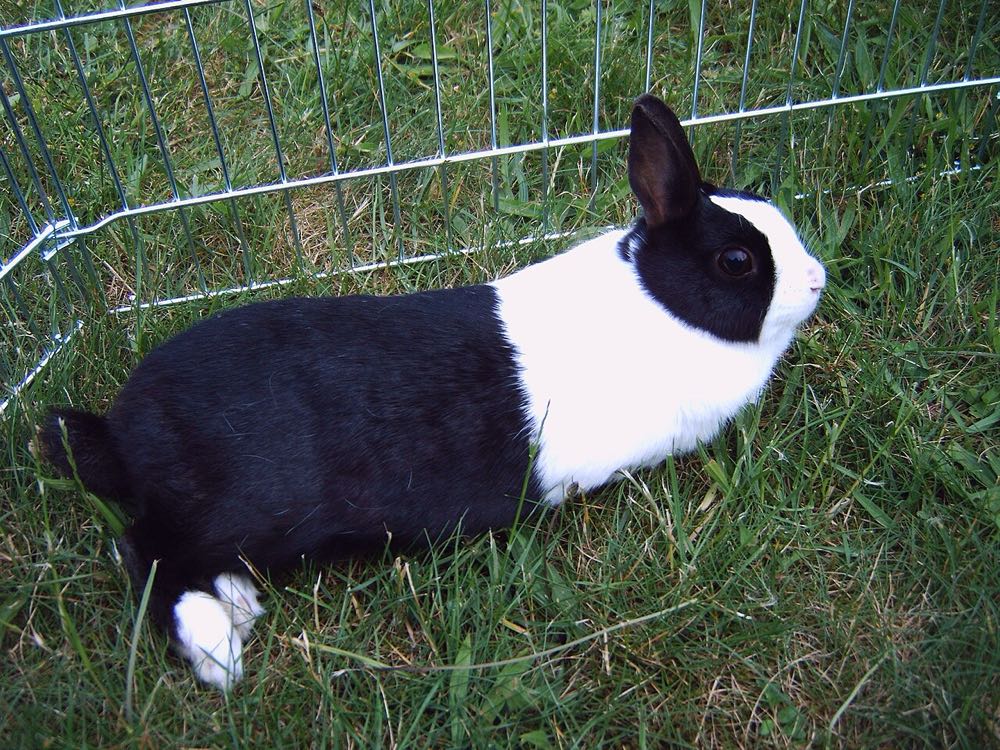 RabbitDutch rabbitAlso: Dutch, Hollander rabbitThe classic two-tone rabbit: gentle and trainable, with teeth to watch, does to spay and a cool room in summer.SmallModerate energy5 to 10 yearsHeat: struggles in heat
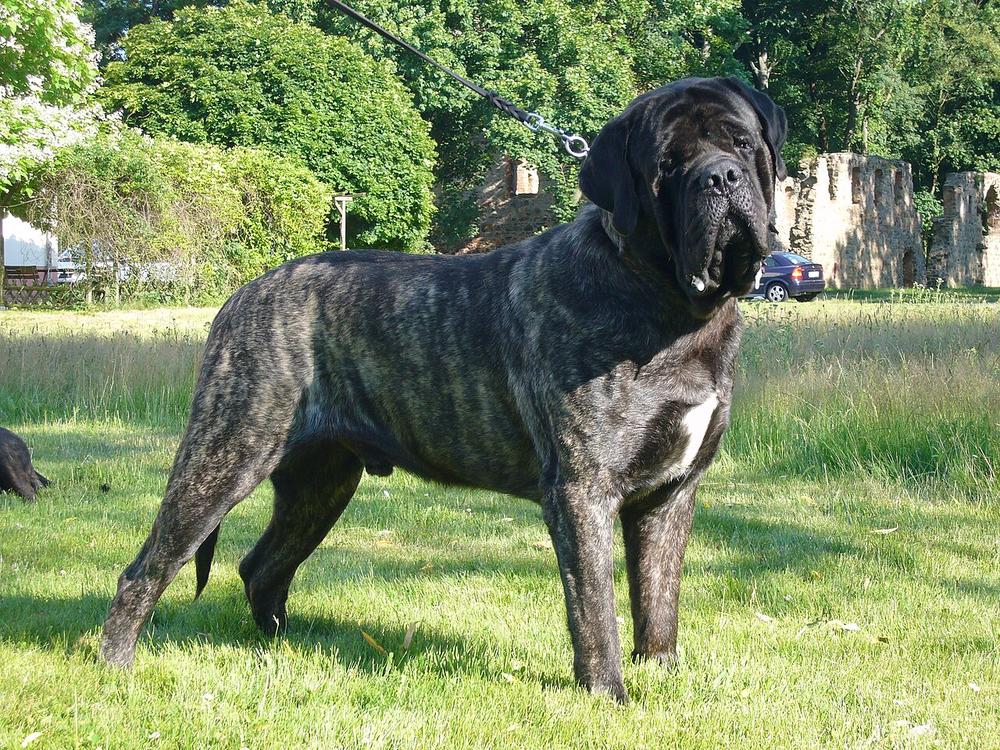 DogEnglish MastiffAlso: Mastiff, Old English MastiffA gentle giant that can outweigh its owner. How a sitter handles the weight, the drool, the heat and the stairs.GiantLow energy6 to 10 yearsHeat: struggles in heat
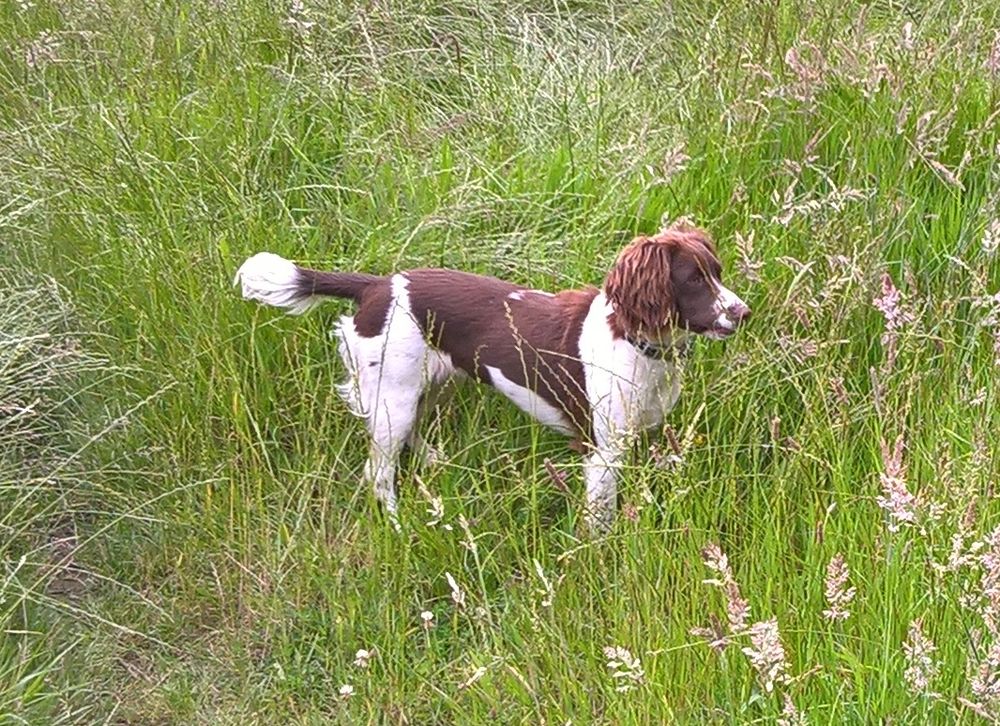 DogEnglish Springer SpanielAlso: Springer Spaniel, SpringerA cheerful, tireless working spaniel that needs hours of activity. How a sitter gives it enough exercise in Indian heat without risking heatstroke.MediumVery high energy12 to 14 yearsHeat: copes with care
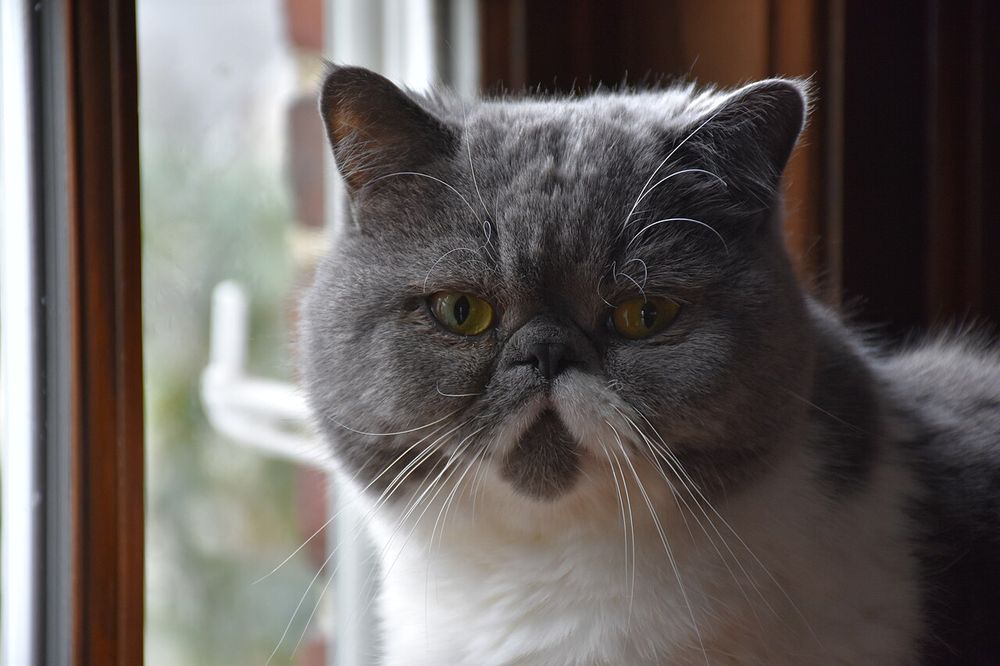 CatExotic ShorthairAlso: Exotic, Exotic catA Persian face on a short, plush coat: breathing, tear ducts and heat matter more than the brushing.MediumModerate energy12 to 15 yearsHeat: struggles in heat
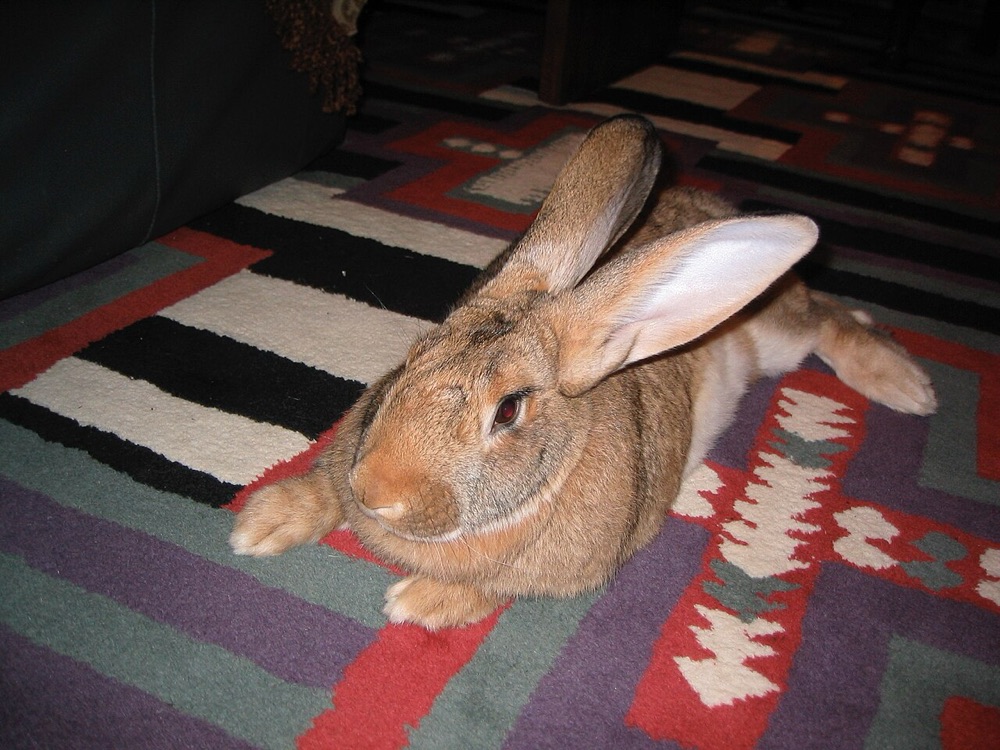 RabbitFlemish GiantAlso: Flemish Giant rabbit, Giant rabbitA rabbit the size of a small dog: room to stretch, soft floors for heavy feet, careful lifting and a cool room.GiantLow energy5 to 10 yearsHeat: struggles in heat
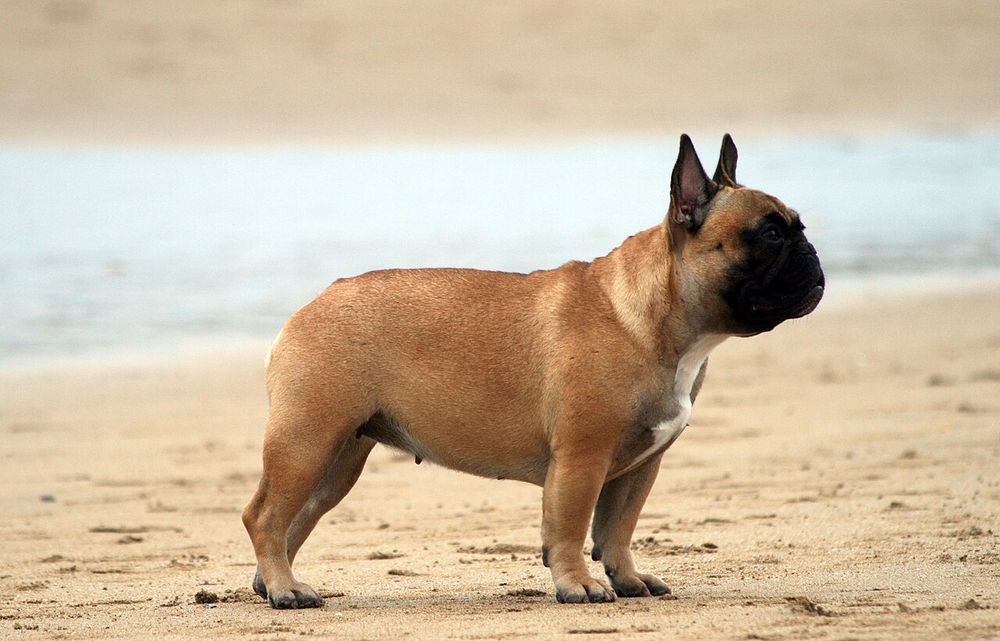 DogFrench BulldogAlso: Frenchie, FrenchyA flat-faced flat dweller: breathing, heat and calm walks come before anything else.SmallLow energy10 to 12 yearsHeat: struggles in heat
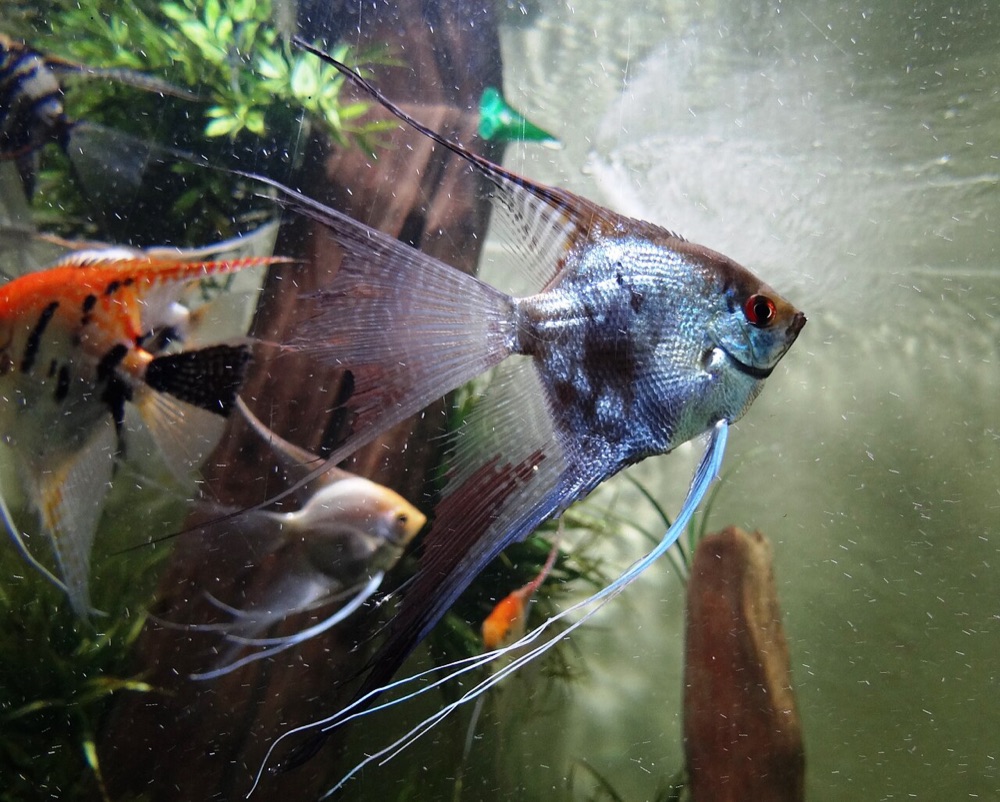 FishFreshwater angelfishAlso: Angelfish, Angel fishA South American cichlid that pairs, guards eggs and likes warm water: calm visits and no surprises in the tank.SmallModerate energyHeat: copes well
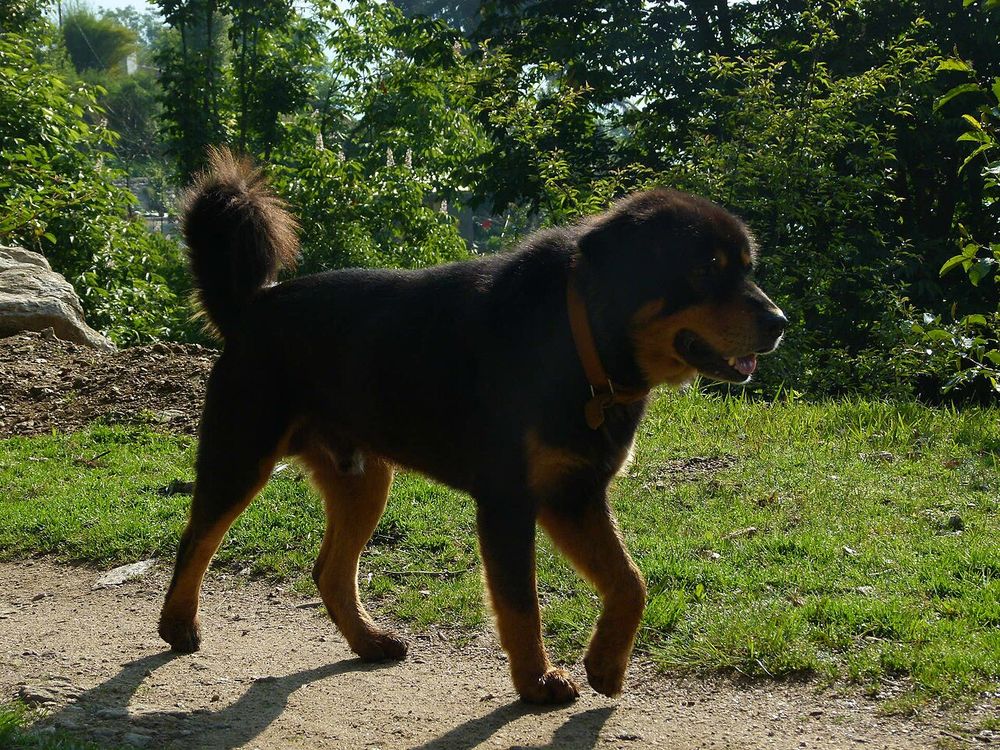 DogIndian breedGaddi Kutta (Gaddi dog)Also: Gaddi dog, GaddiHimachal's black flock guardian, registered in 2025. Territorial, thick-coated and not built for a flat in the plains.MediumHigh energyHeat: copes with care
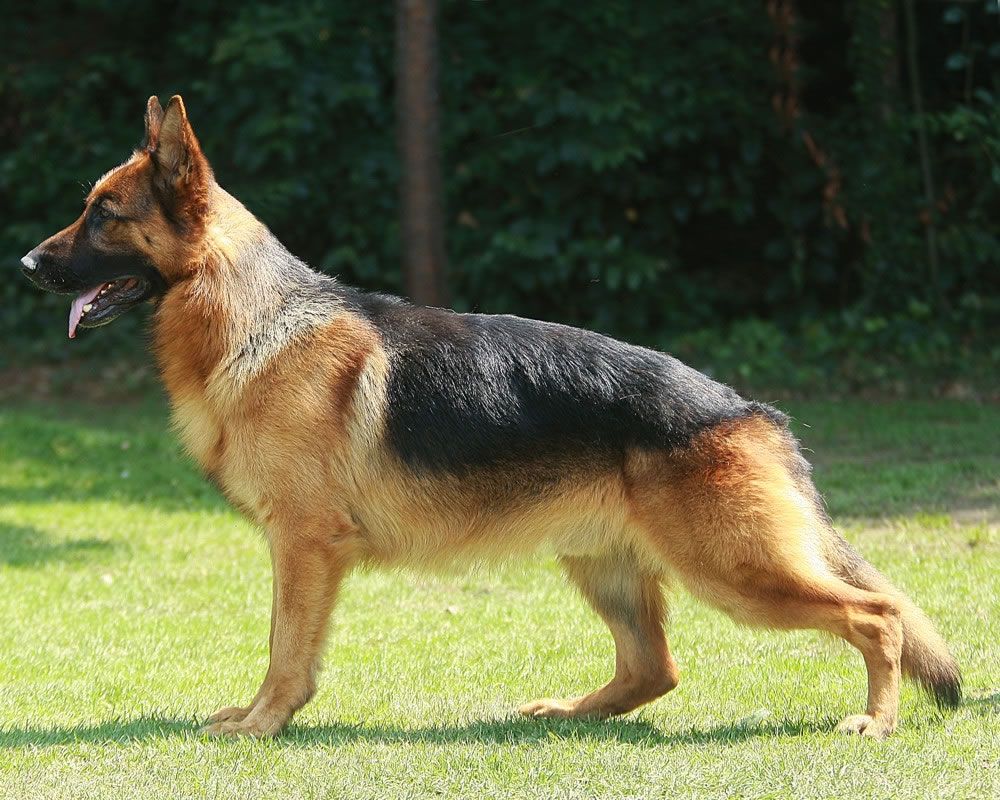 DogGerman ShepherdAlso: GSD, AlsatianA watchful, high-energy working dog. How a sitter earns its trust, works its brain and keeps it cool in an Indian summer.LargeVery high energy12 to 14 yearsHeat: copes with care
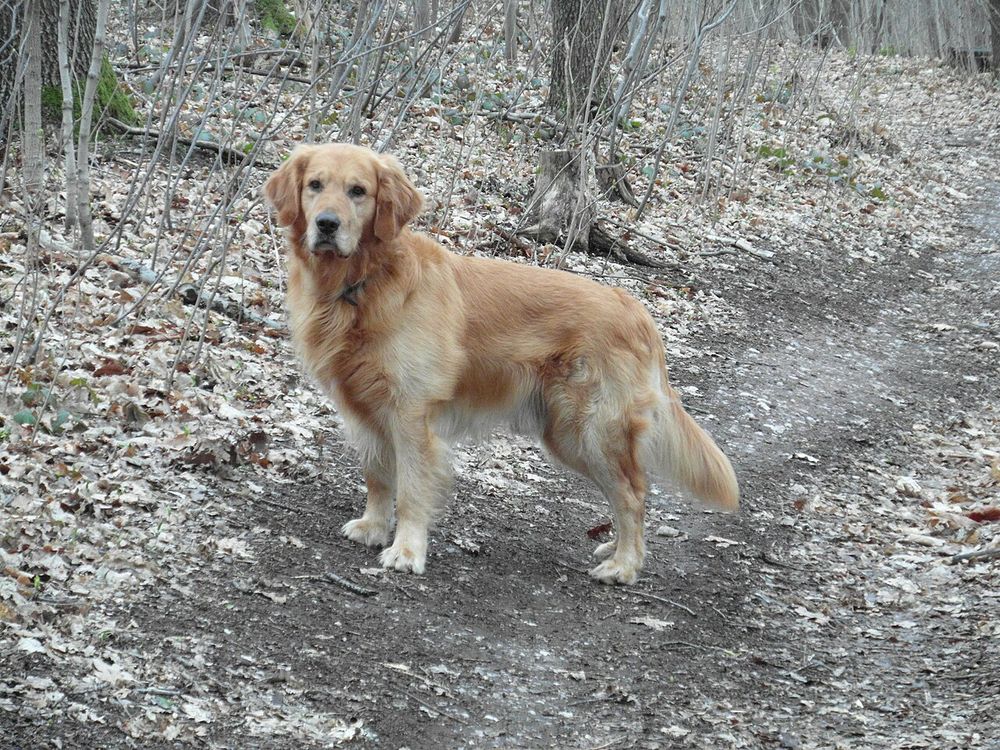 DogGolden RetrieverAlso: Golden, GoldieA gentle, people-loving dog with a coat that holds heat. How a sitter keeps a Golden cool, busy and brushed.LargeHigh energy10 to 12 yearsHeat: struggles in heat
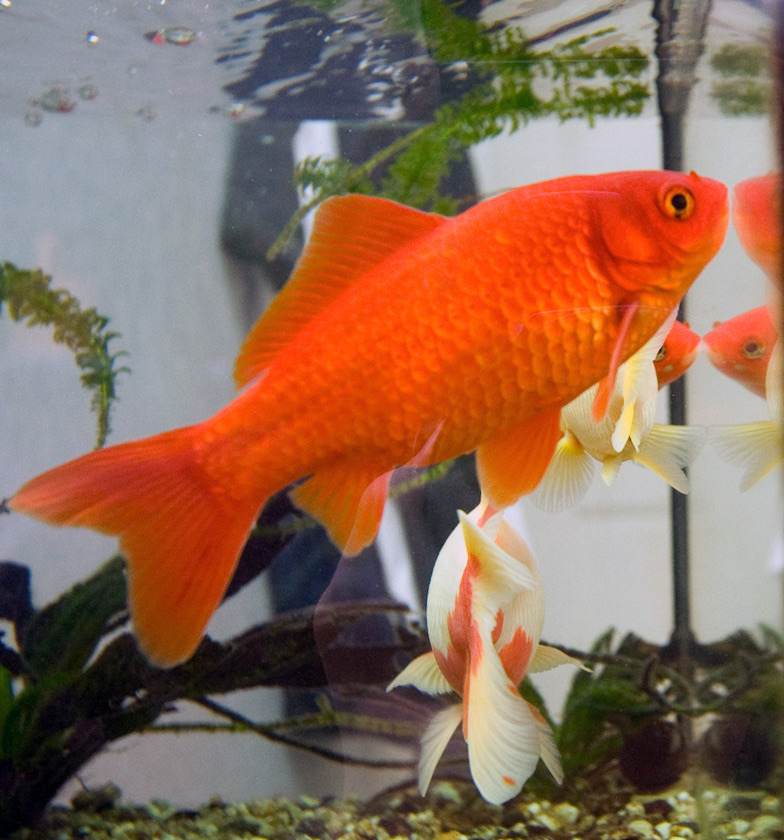 FishGoldfishAlso: Common goldfish, Fancy goldfishA cool-water fish that grows big and makes a lot of waste: a strong filter, shade and a careful hand with food.MediumModerate energy10 to 15 yearsHeat: copes with care
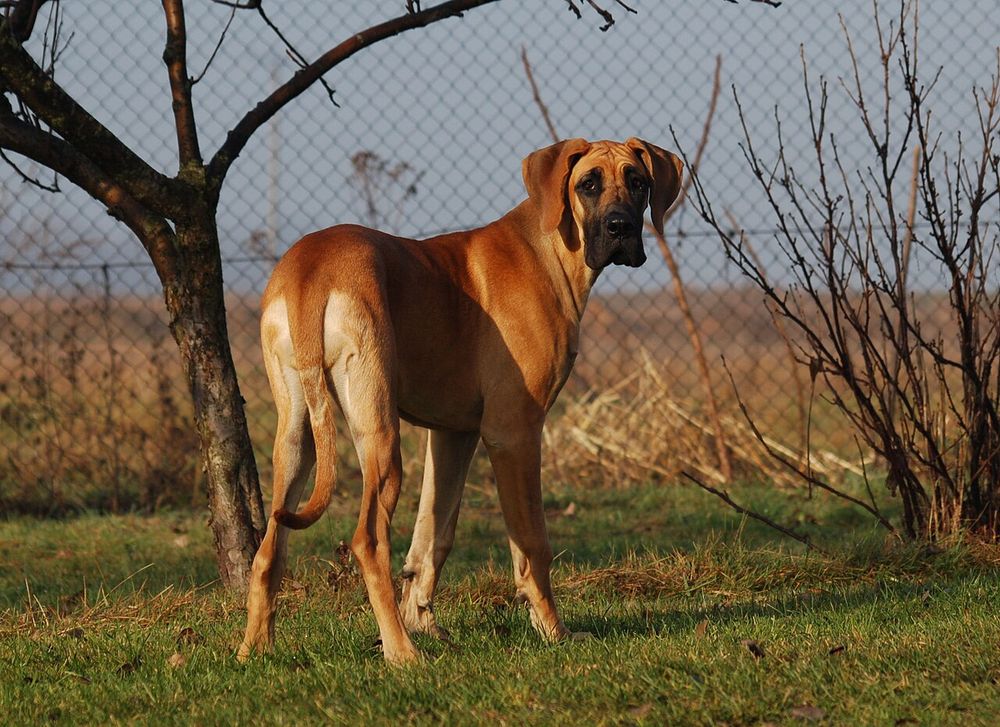 DogGreat DaneAlso: Dane, German MastiffA giant that overheats more easily and can bloat: calm meals, cool rooms, quick vet calls.GiantHigh energy7 to 10 yearsHeat: struggles in heat
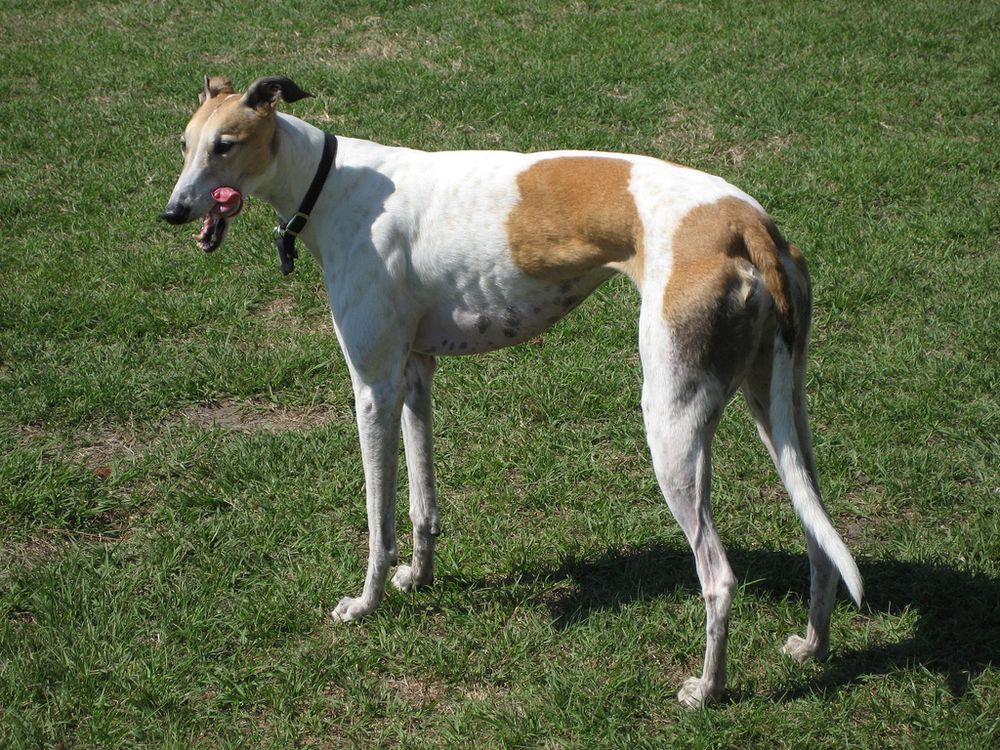 DogGreyhoundAlso: English Greyhound, Retired racing greyhoundA gentle sprinter that sleeps most of the day. Why heat, thin skin, cold nights and the urge to chase shape a sitter's plan.LargeModerate energy10 to 13 yearsHeat: struggles in heat
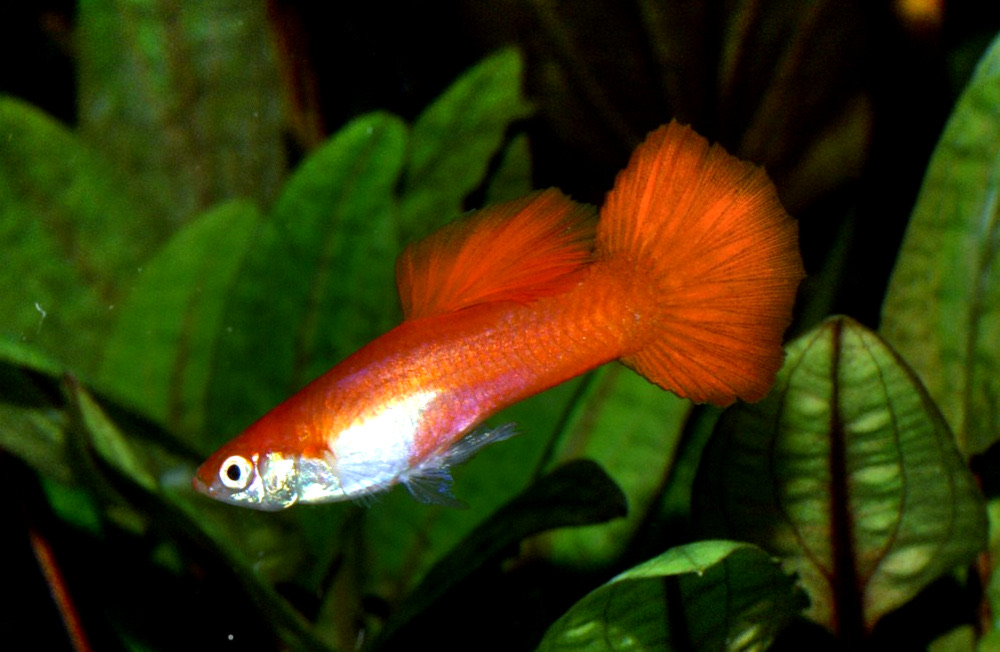 FishGuppyAlso: Guppy fish, Fancy guppyA hardy, colourful livebearer that breeds every few weeks: count the fish, feed lightly and watch for worms.ToyHigh energy4 to 5 yearsHeat: copes well
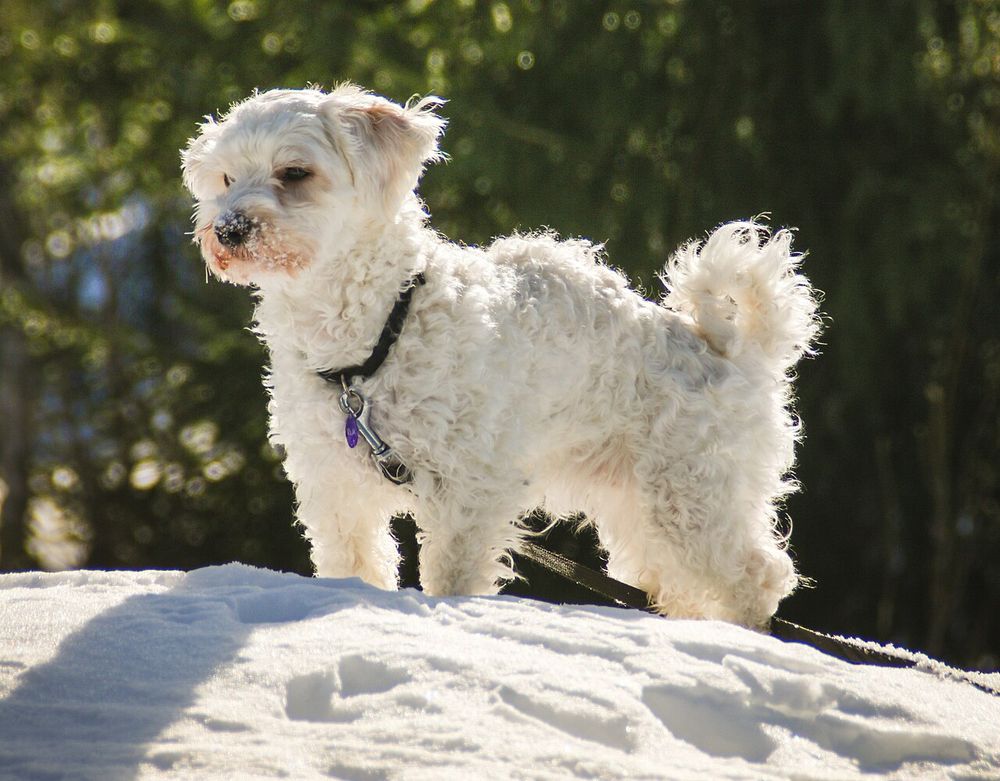 DogHavaneseAlso: Havanese dog, Bichon HavanaisA cheerful little Bichon from Cuba that wants people around. How a sitter handles the silky coat, eyes and time alone.SmallModerate energy14 to 16 yearsHeat: copes with care
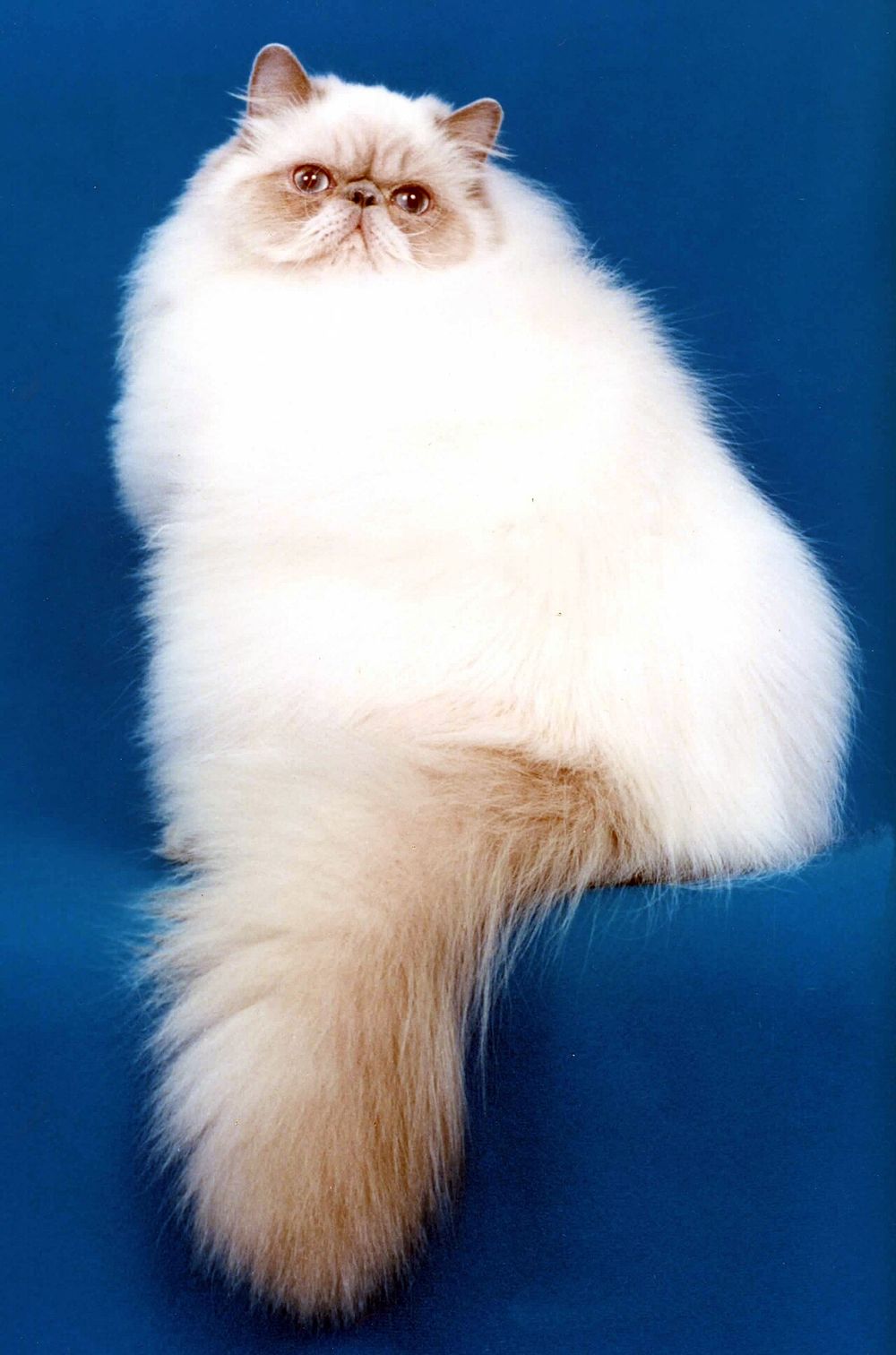 CatHimalayan catAlso: Himalayan, HimmyA Persian in Siamese colours: the same coat, face and heat care, and a sitter who checks the eyes.MediumLow energy14 to 16 yearsHeat: struggles in heat
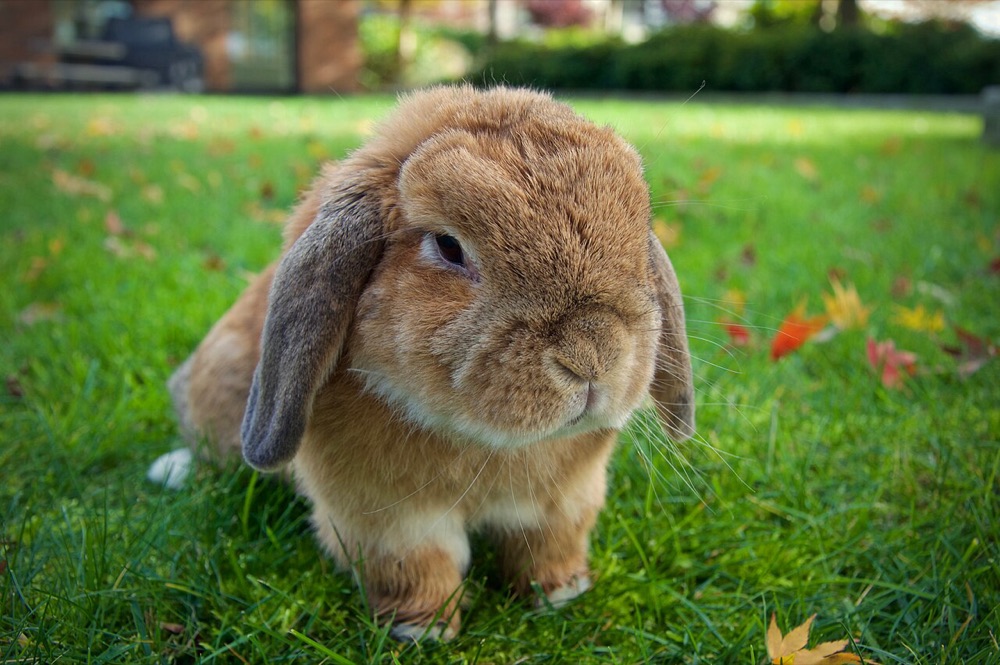 RabbitHolland LopAlso: Holland Lop rabbit, Dwarf lopA small lop with folded ears that trap wax: weekly ear checks, hay all day and a cool, quiet room.SmallModerate energy7 to 10 yearsHeat: struggles in heat
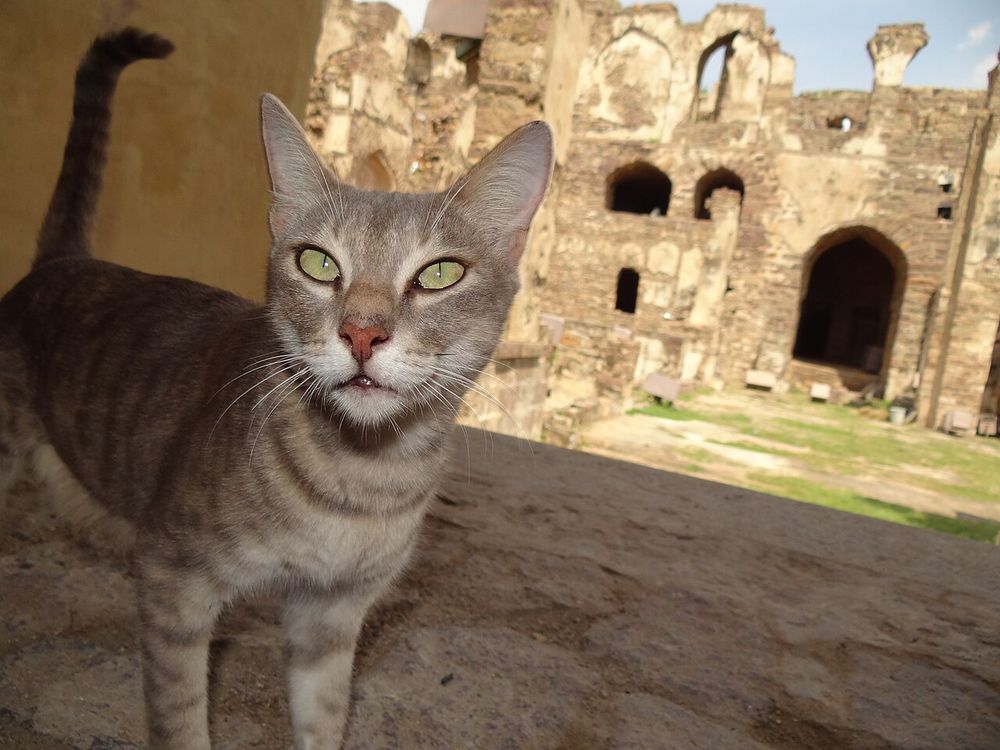 CatIndian breedIndian catAlso: Indie cat, Indian domestic catIndia's own domestic cat: not a pedigree breed, but with its own care needs while you are away.MediumModerate energyHeat: copes with care
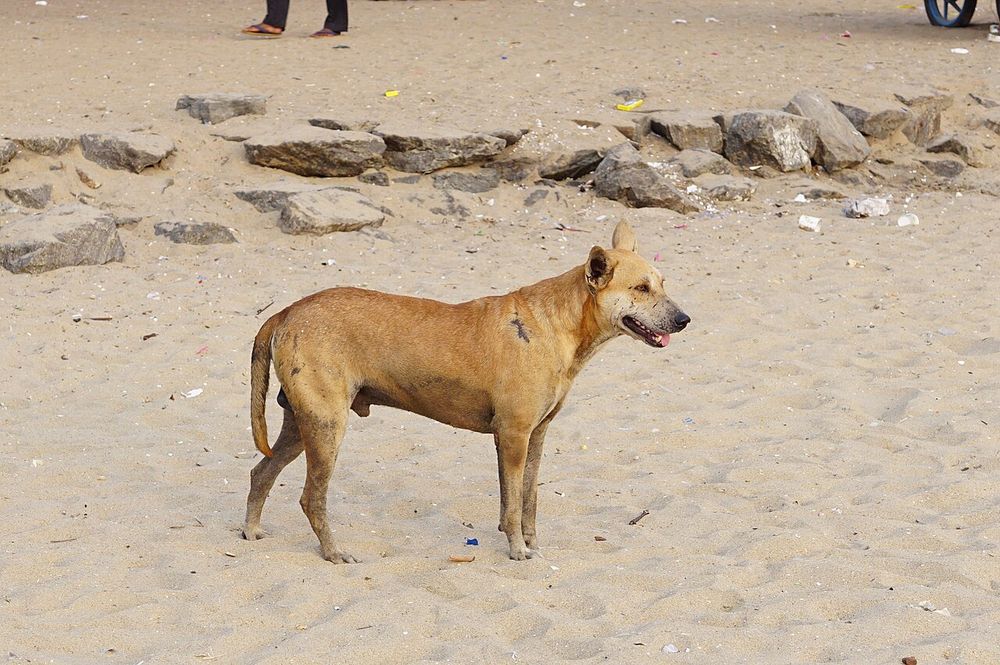 DogIndian breedIndian pariah dog (Indie)Also: Indie, Indie dogIndia's own dog: hardy, alert and loyal, often wary of strangers. How a sitter wins an Indie's trust and keeps it safe.MediumHigh energyHeat: copes well
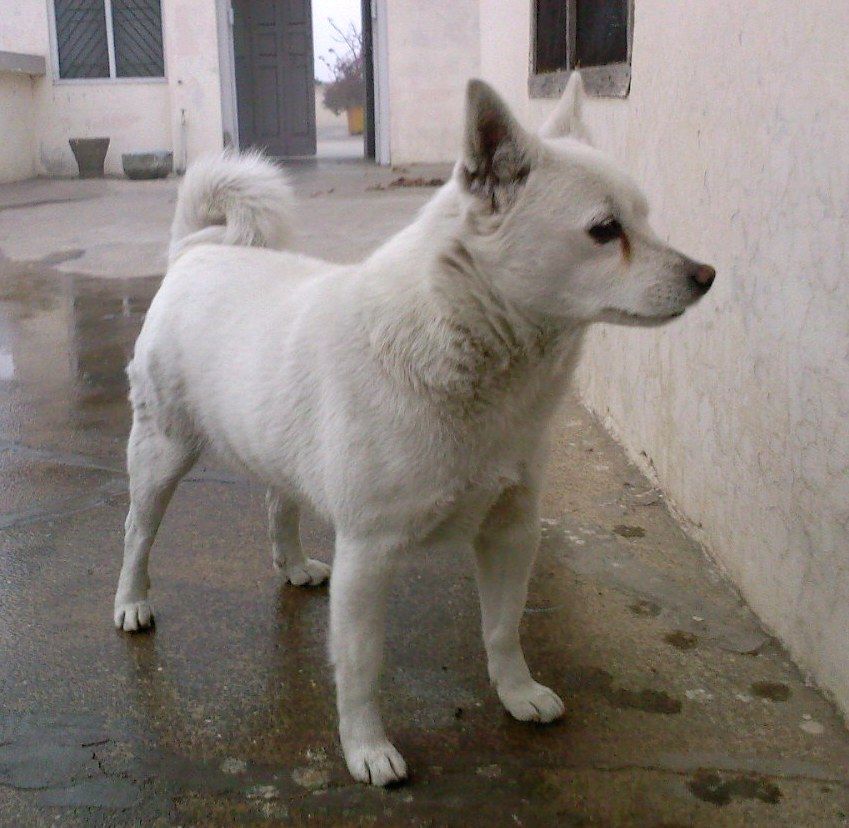 DogIndian SpitzAlso: Spitz, Indian Spitz dogThe fluffy white flat dog of many Indian homes: alert, vocal and coated for colder places. A sitter's guide to heat, coat and barking.SmallModerate energyHeat: copes with care
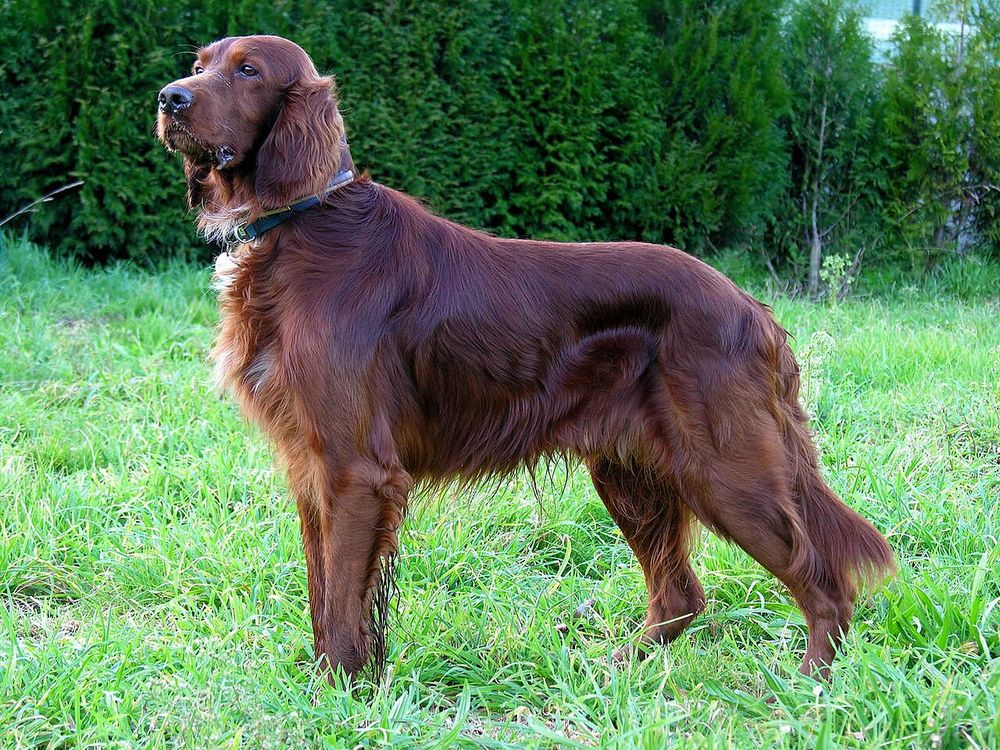 DogIrish SetterAlso: Irish Red Setter, Red SetterA tall, red, high-energy gundog that loves people. How a sitter handles long walks in the heat, mealtimes and bloat risk.LargeVery high energy12 to 15 yearsHeat: copes with care
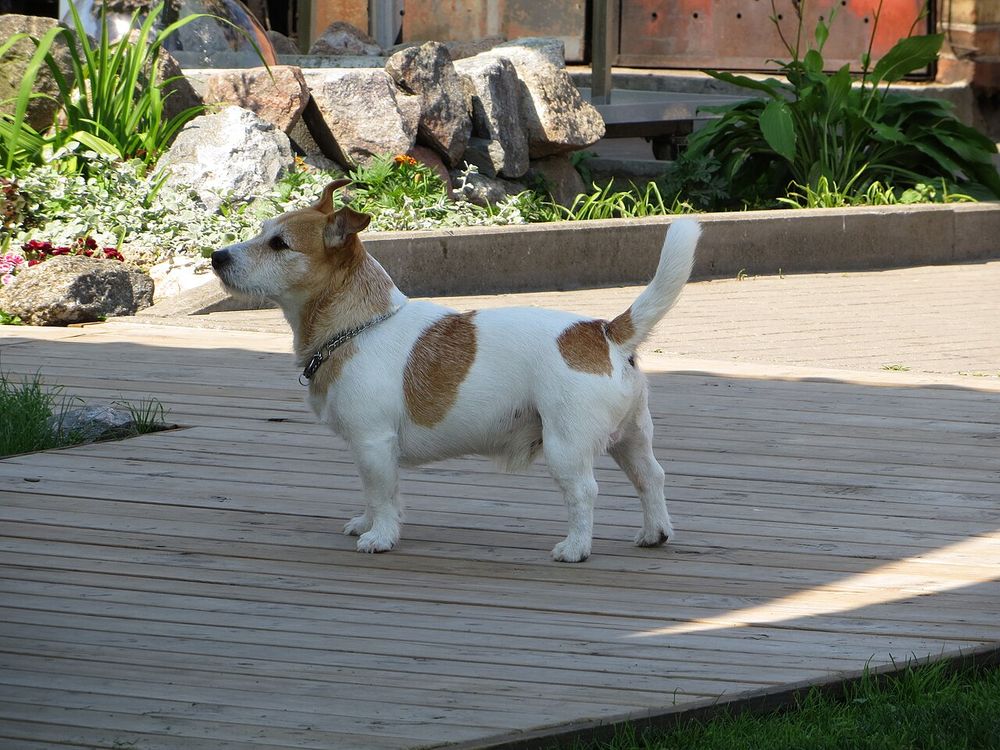 DogJack Russell TerrierAlso: Jack Russell, JRTSmall, bold and busy: a Jack Russell needs real exercise, secure gates and a sitter who walks it before the heat.SmallHigh energyHeat: copes with care
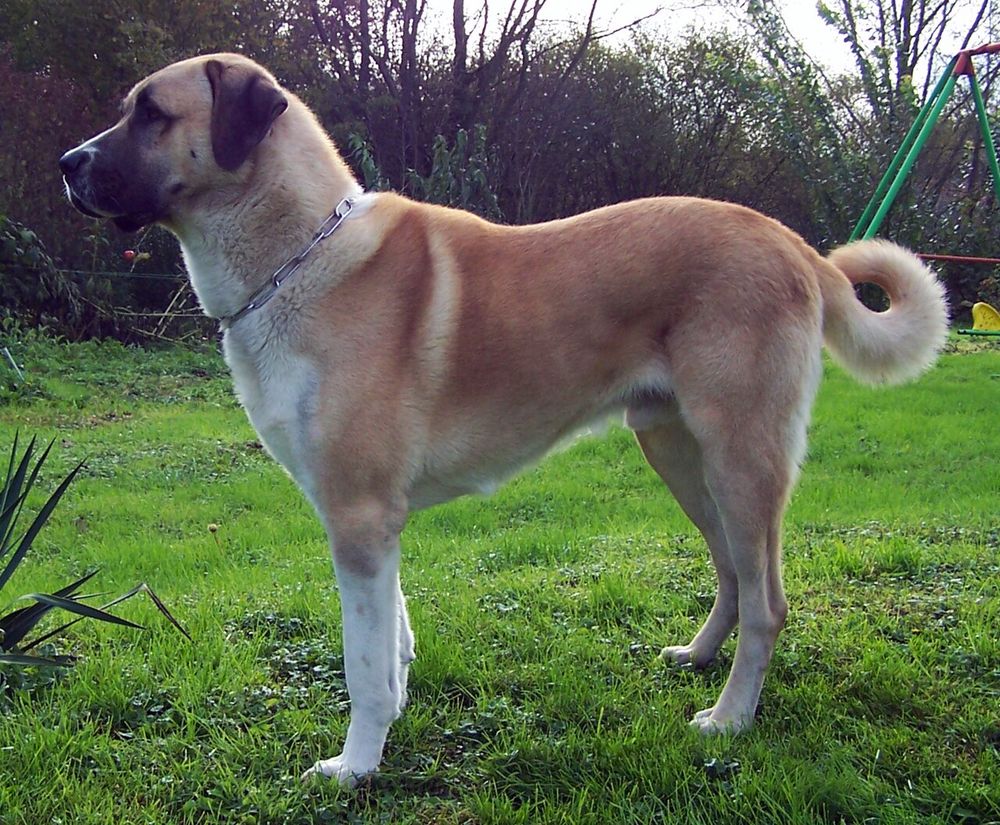 DogKangalAlso: Kangal Shepherd Dog, Turkish Kangal DogA Turkish flock guardian that needs room, work and a confident handler. Named on India's 2024 breed list.GiantHigh energyHeat: copes with care
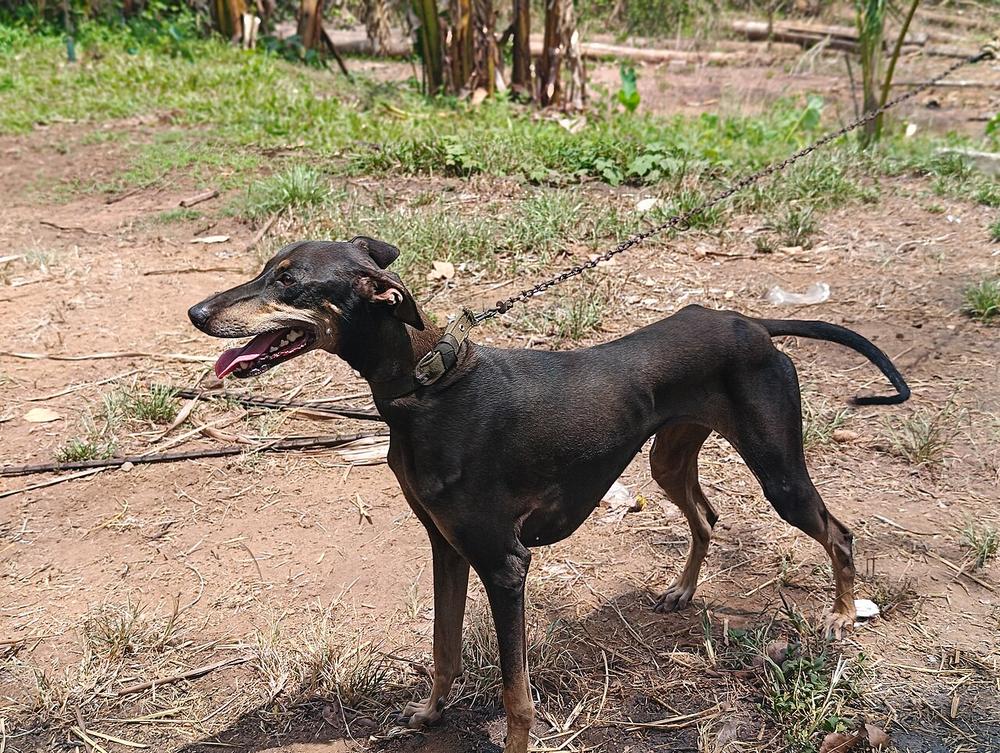 DogIndian breedKanniAlso: Kanni dog, Kanni houndA lean, fast hunting hound from Tirunelveli and Virudhunagar. How a sitter keeps a chaser safe on the lead.MediumHigh energyHeat: copes with care
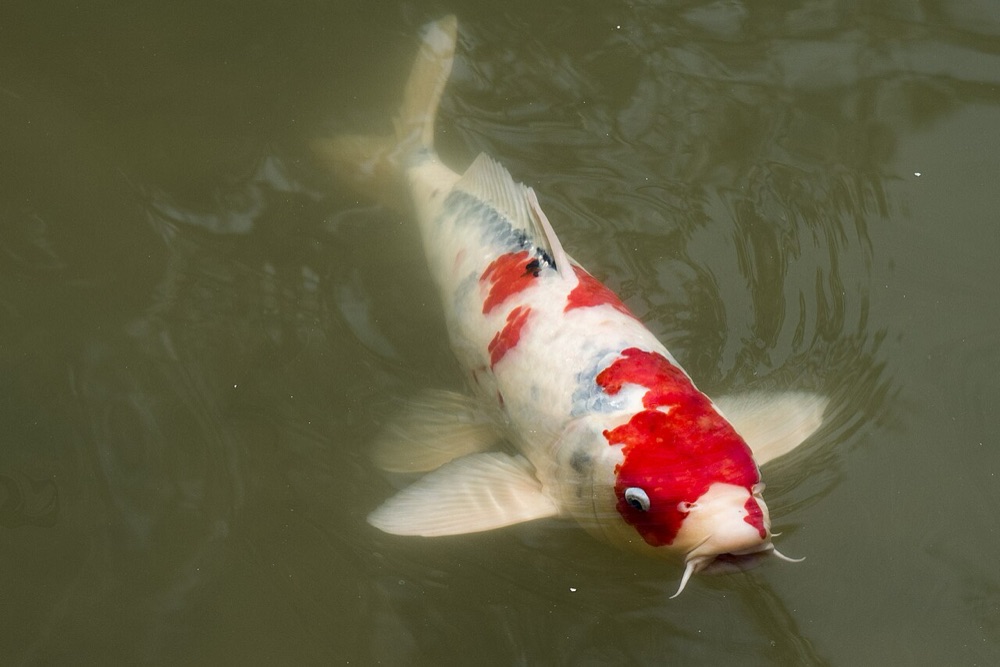 FishKoiAlso: Koi fish, Koi carpColoured carp for ponds and big tanks: a daily pond check, careful feeding and no new fish while you are away.LargeModerate energyHeat: copes with care
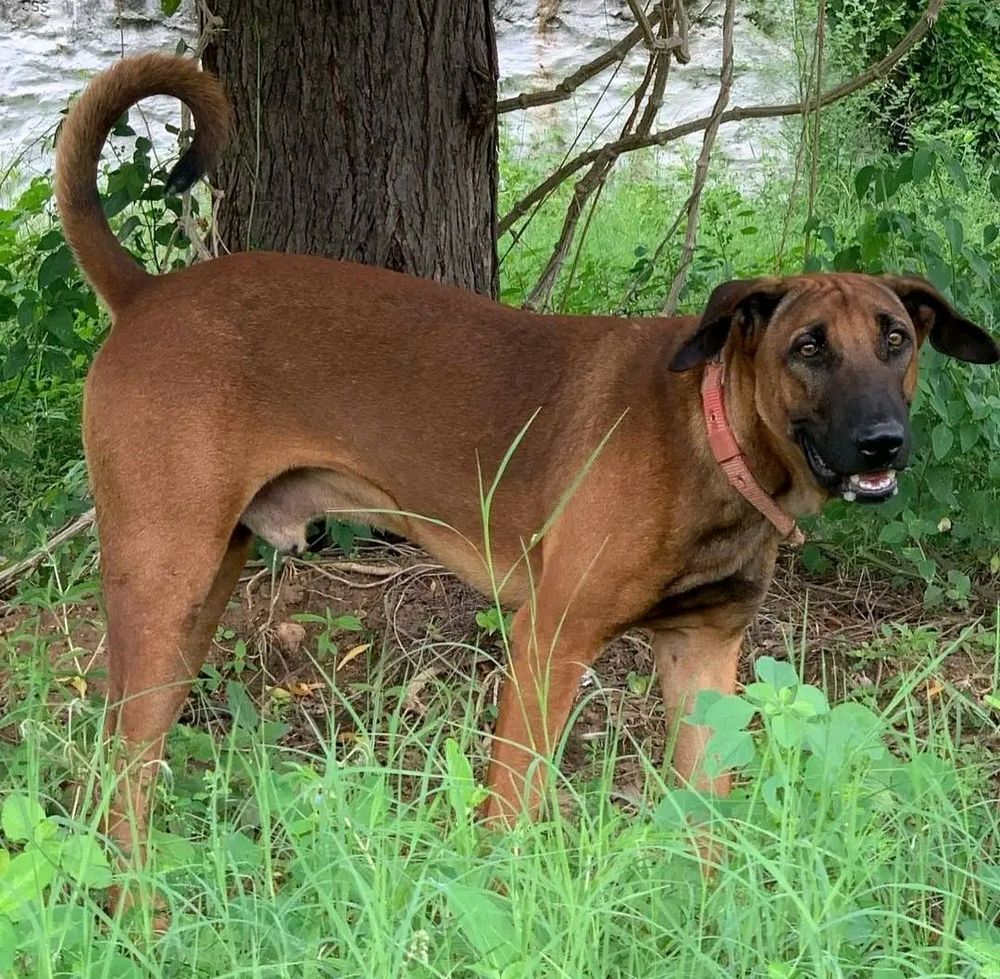 DogIndian breedKombaiAlso: Kombai dog, CombaiTheni's red-brown guarding hound: obedient with its family, hard on strangers. How a sitter earns its trust.MediumHigh energyHeat: copes with care
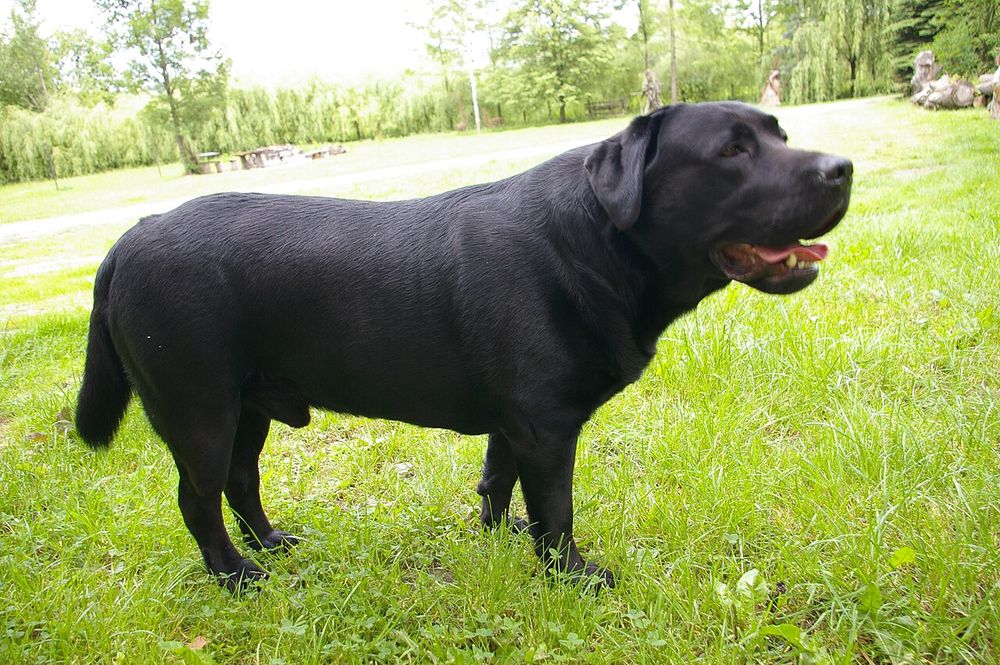 DogLabrador RetrieverAlso: Lab, LabradorA big appetite, big exercise needs and a short coat that still sheds. What a sitter must plan around in Indian heat.LargeHigh energy11 to 13 yearsHeat: copes with care
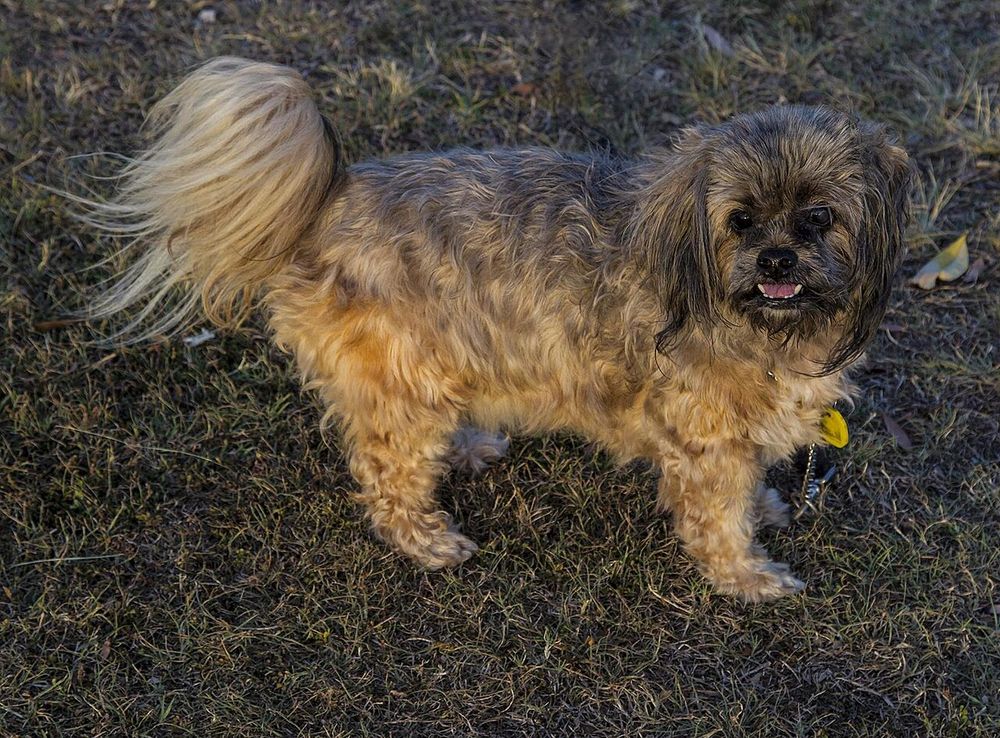 DogLhasa ApsoAlso: Lhasa, Lhasa dogA small Tibetan watchdog with a long coat and a mind of its own. How a sitter handles grooming, eyes, heat and a wary welcome.SmallModerate energy12 to 15 yearsHeat: copes with care
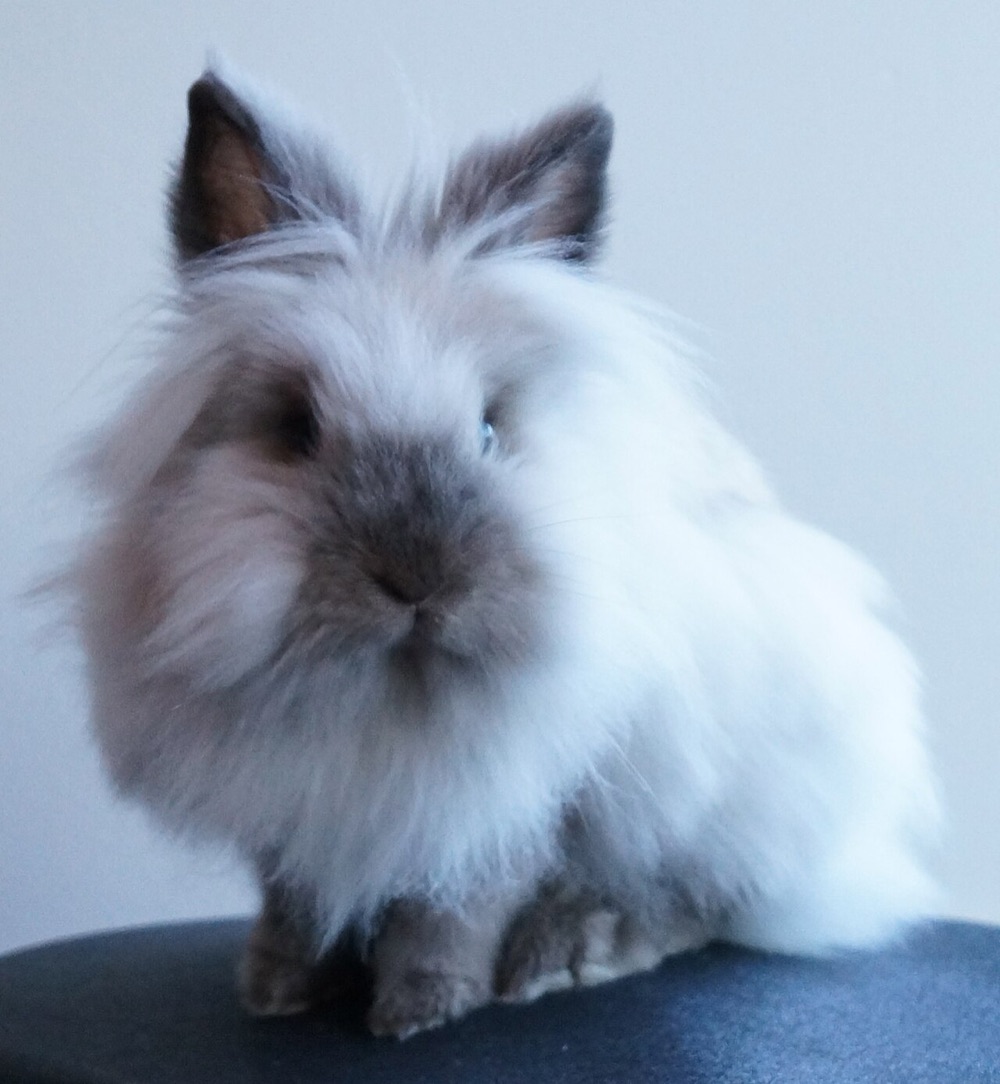 RabbitLionhead rabbitAlso: Lionhead, Lion head rabbitA small rabbit with a woolly mane: daily combing, a clean rear end in the monsoon and a cool room.ToyModerate energy7 to 9 yearsHeat: struggles in heat
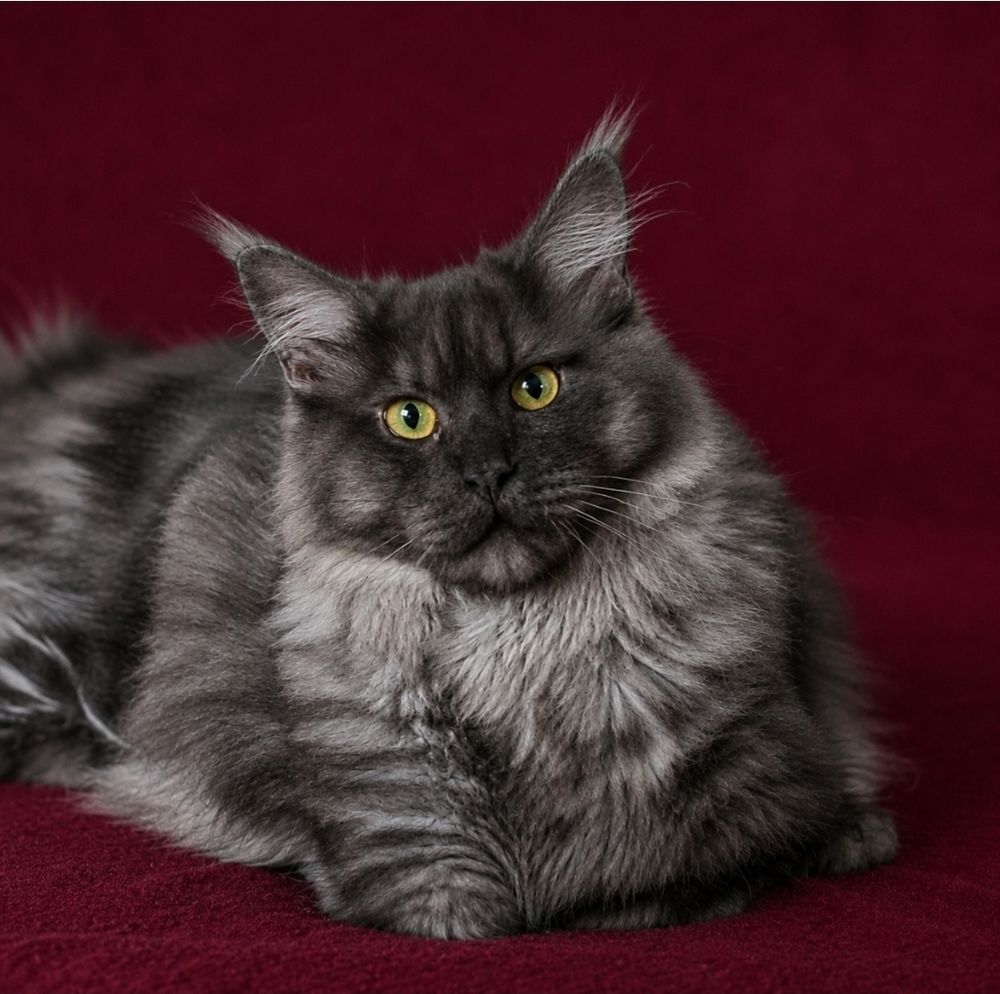 CatMaine CoonAlso: Maine Coon cat, Coon catA big, long-coated cat in a hot country: heart signs, grooming and room to move while you travel.LargeHigh energy10 to 15 yearsHeat: copes with care
 DogMalteseAlso: Maltese dog, Maltese terrierA long white coat that needs daily care and a small body that needs gentle handling and company.ToyLow energy12 to 15 yearsHeat: copes with care
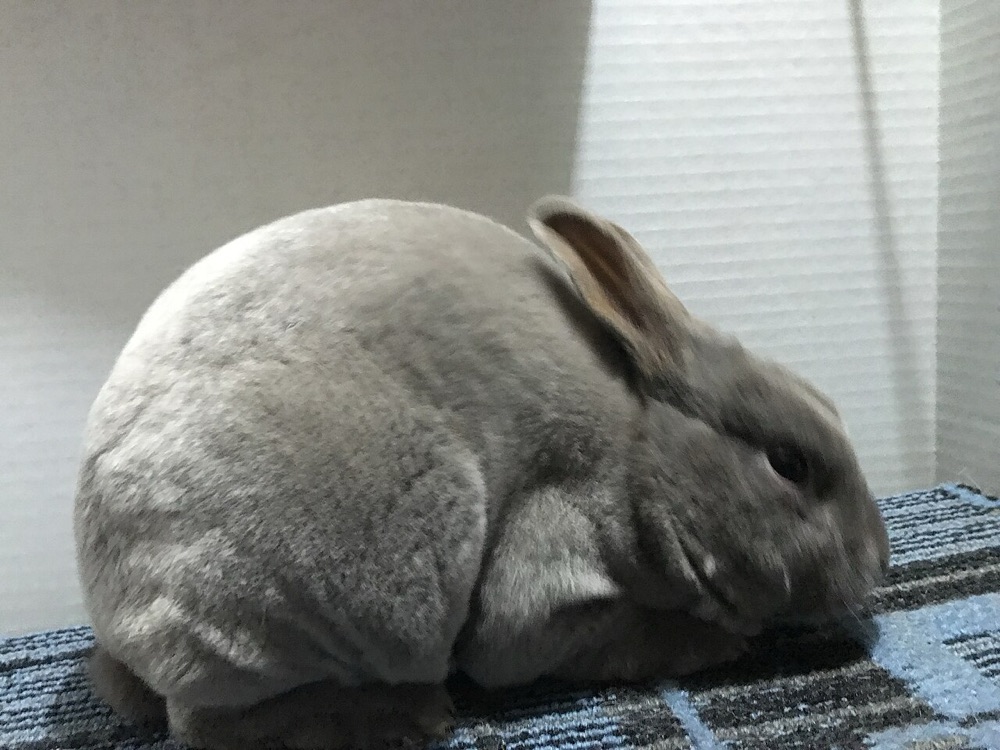 RabbitMini RexAlso: Mini Rex rabbit, Dwarf rexA velvet coat with thin fur on the feet: soft flooring over Indian tiles, sore hock checks and a cool room.SmallModerate energyHeat: struggles in heat
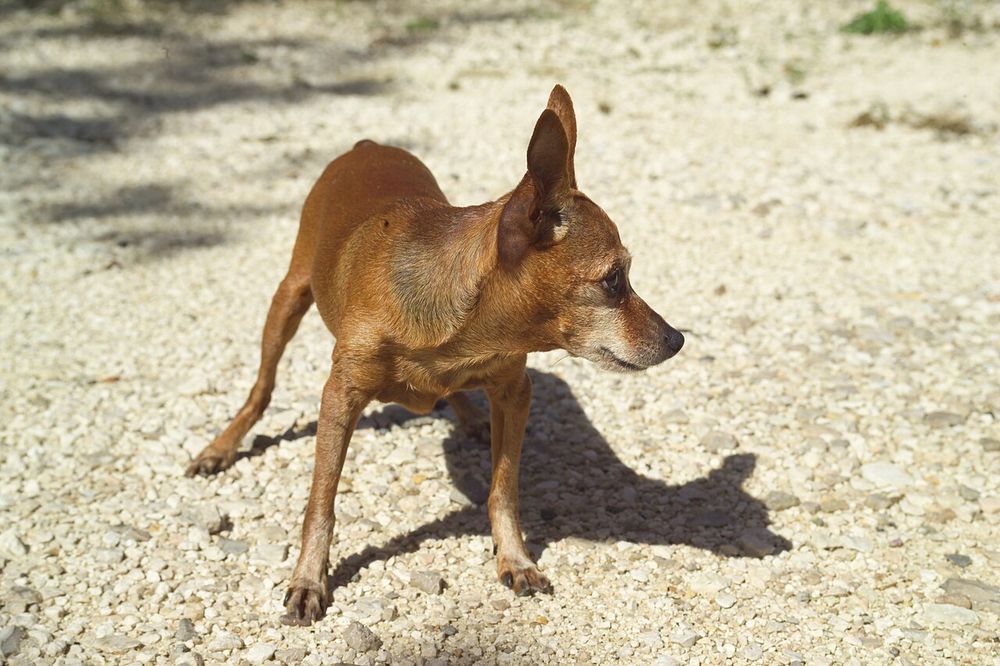 DogMiniature PinscherAlso: Min Pin, MinPinA bold little ratter with a big bark and boundless energy. How a sitter handles the barking, the escapes and the hips and knees.ToyHigh energy12 to 16 yearsHeat: copes with care
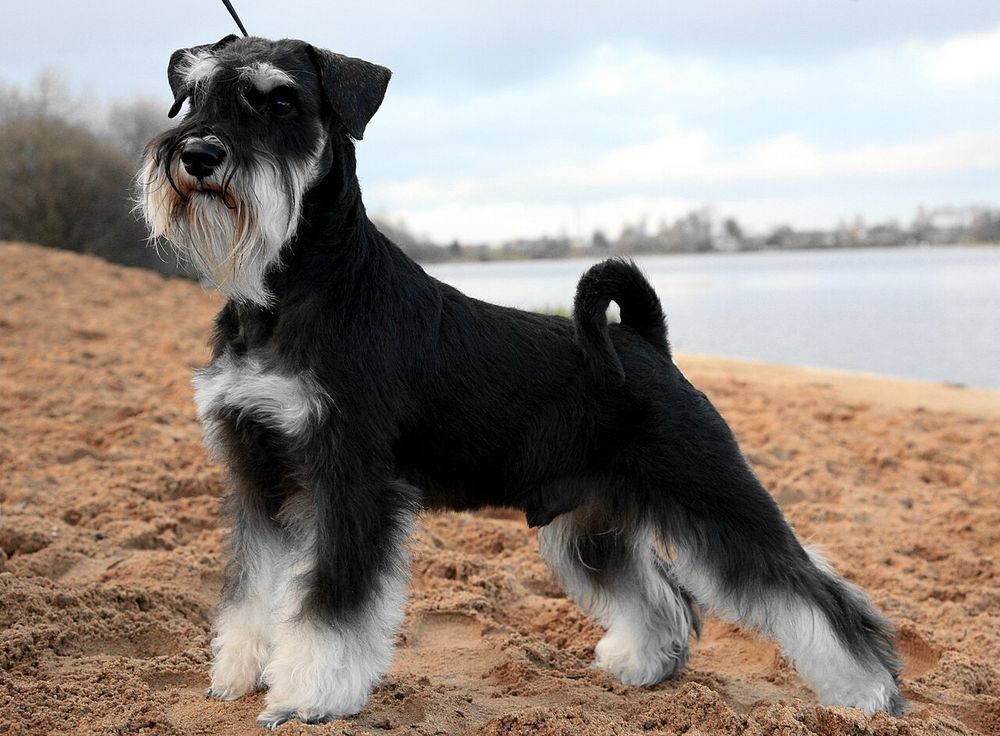 DogMiniature SchnauzerAlso: Mini Schnauzer, ZwergschnauzerA bearded, alert little watchdog that suits a flat. Why a sitter guards its diet so closely, and what to do about the barking.SmallModerate energy12 to 15 yearsHeat: copes with care
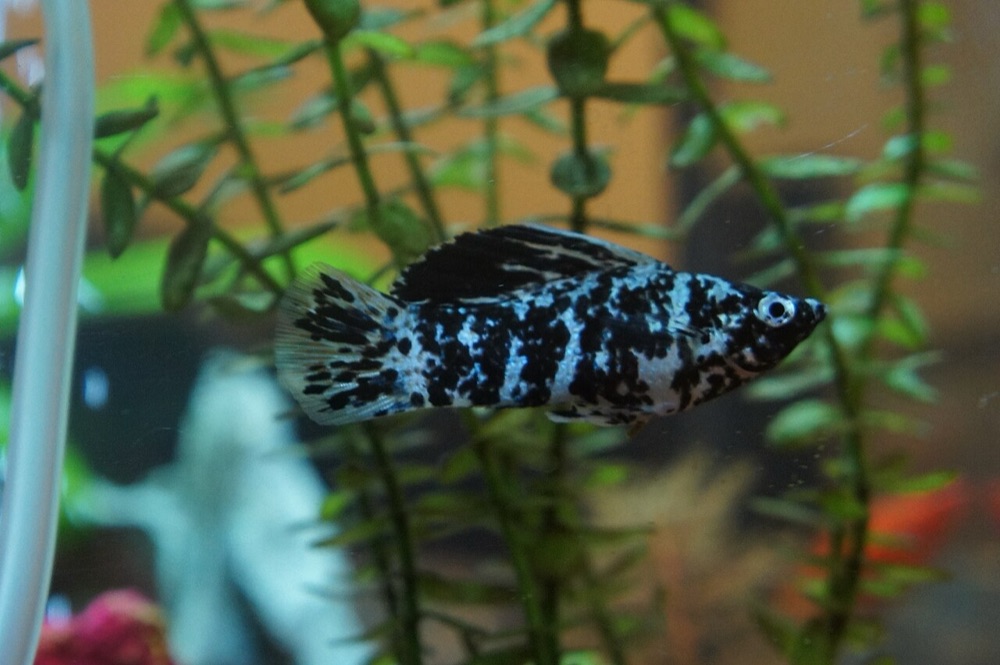 FishMolly fishAlso: Molly, Black mollyA sturdy livebearer bred from several wild species: warm water, plenty of room and a sitter who counts.SmallModerate energyHeat: copes well
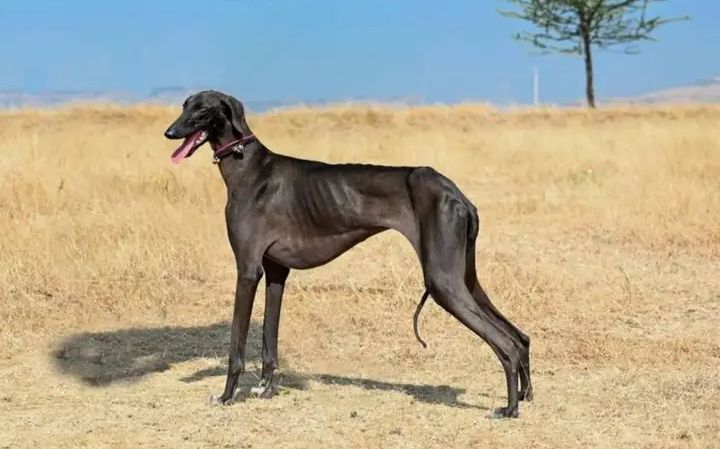 DogIndian breedMudhol HoundAlso: Mudhol, Mudhol dogKarnataka's tall, fast sighthound, now in BSF and CRPF dog squads: what a pet one needs from a sitter.LargeHigh energyHeat: copes with care
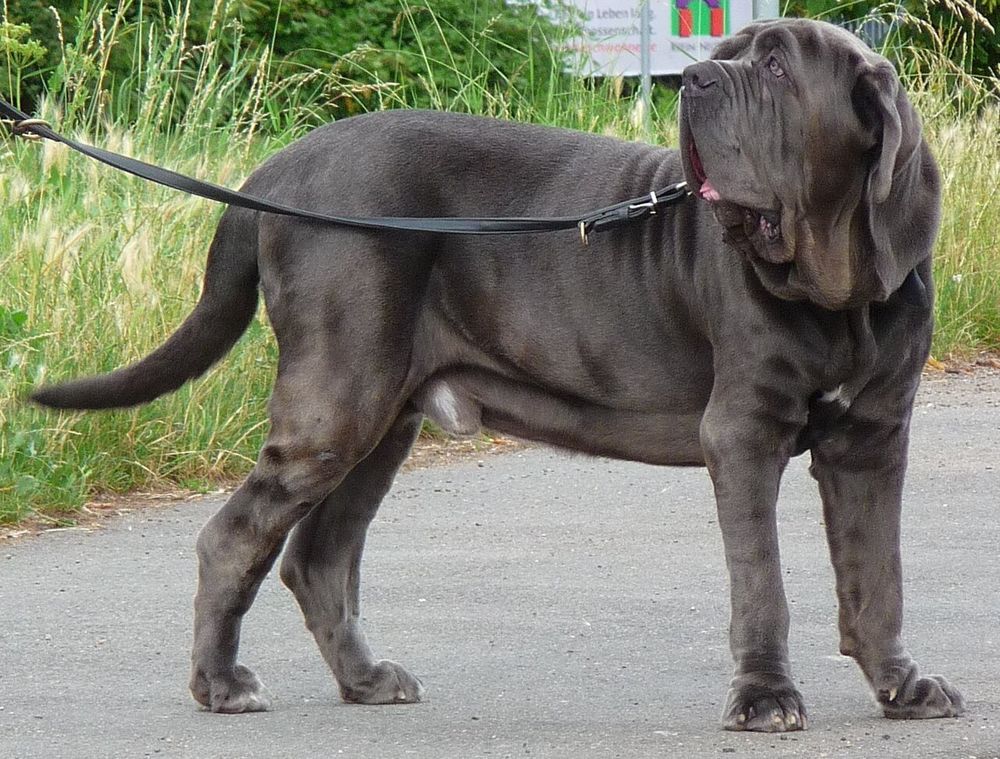 DogNeapolitan MastiffAlso: Mastino, Mastino NapoletanoA wrinkled, drooling giant that overheats easily and distrusts strangers. What a sitter in India must manage.GiantLow energy7 to 9 yearsHeat: struggles in heat
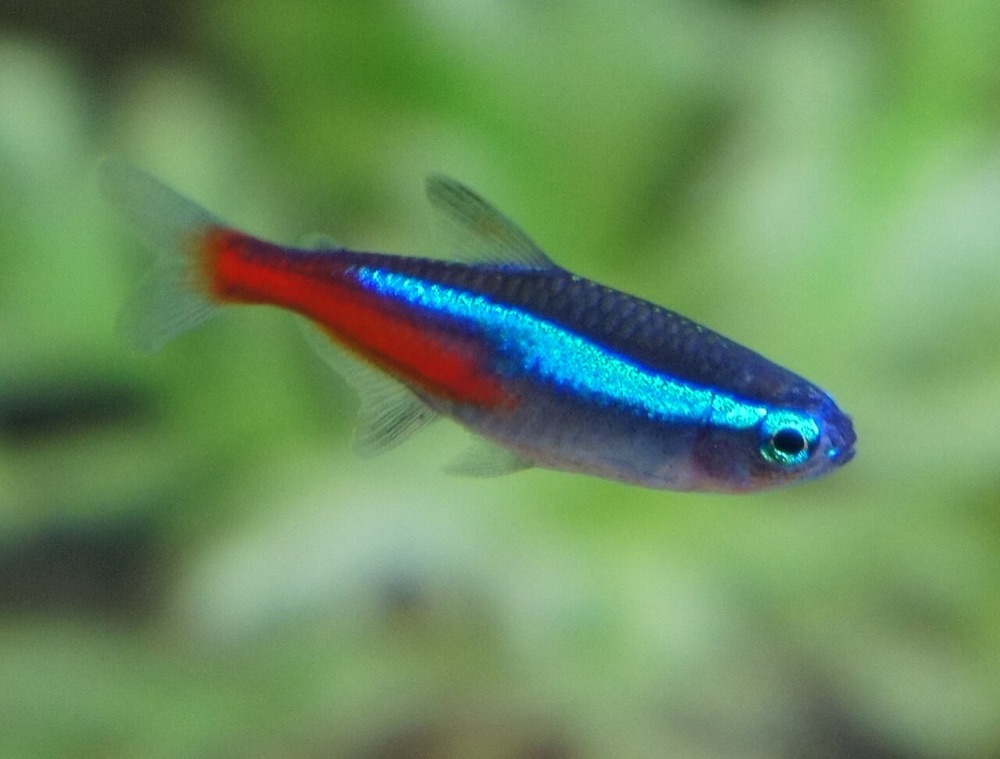 FishNeon tetraAlso: Neon, Neon tetra fishA tiny shoaling fish that needs a group, soft steady water and a sitter who counts a moving crowd.ToyModerate energyHeat: copes with care
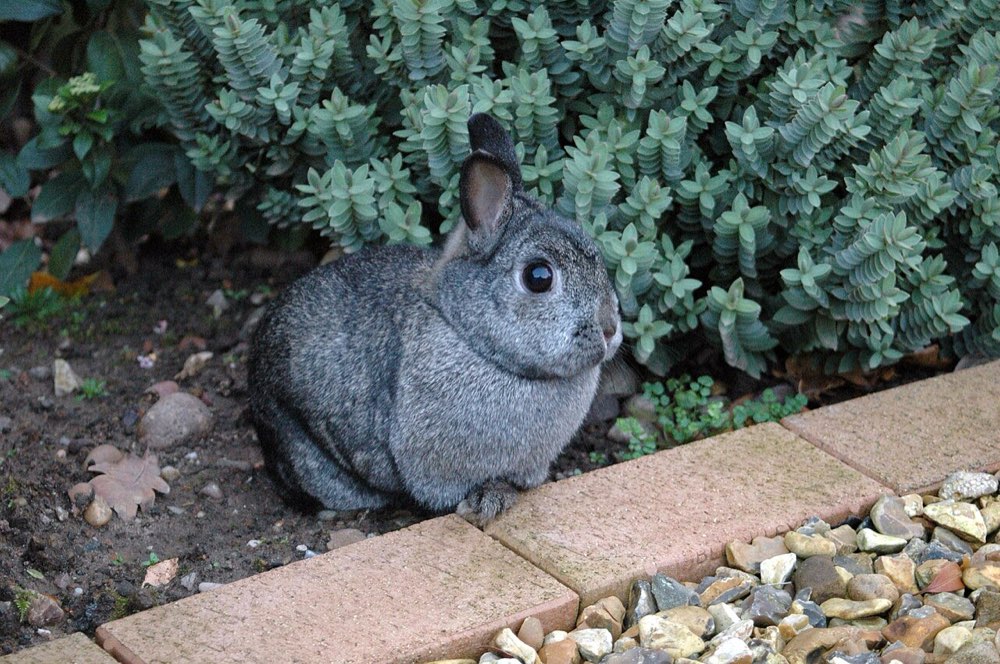 RabbitNetherland DwarfAlso: Netherland Dwarf rabbit, Dwarf rabbitUnder a kilo, short-faced and shy: teeth that may need lifelong trims, quiet handling and a cool room.ToyModerate energy7 to 12 yearsHeat: struggles in heat
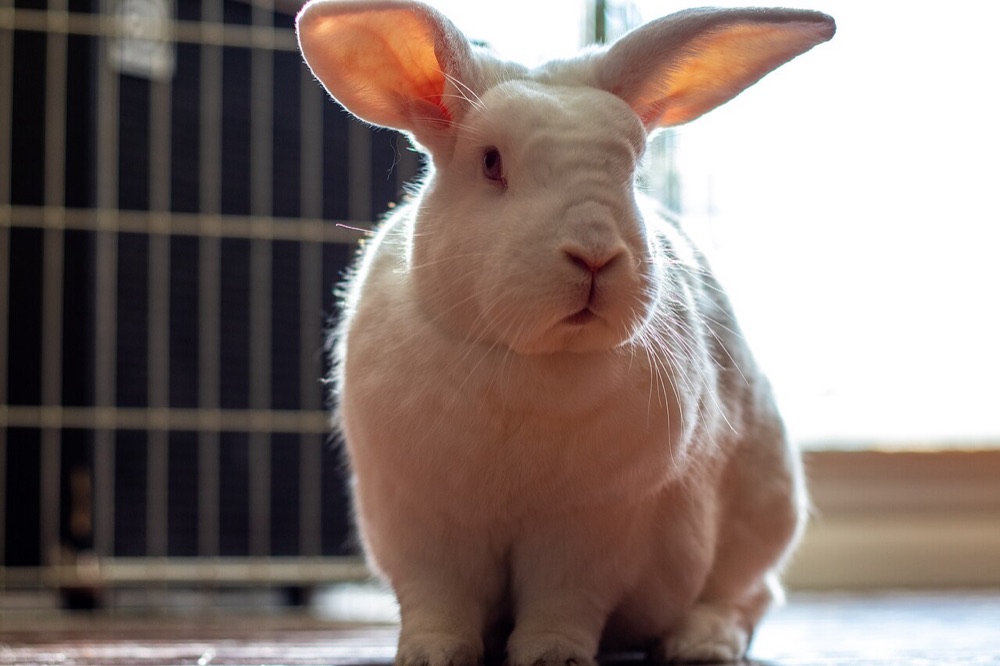 RabbitNew Zealand White rabbitAlso: New Zealand White, NZW rabbitIndia's familiar white farm rabbit kept as a pet: a big appetite, heavy with age, and feet and weight to watch.MediumModerate energy5 to 8 yearsHeat: struggles in heat
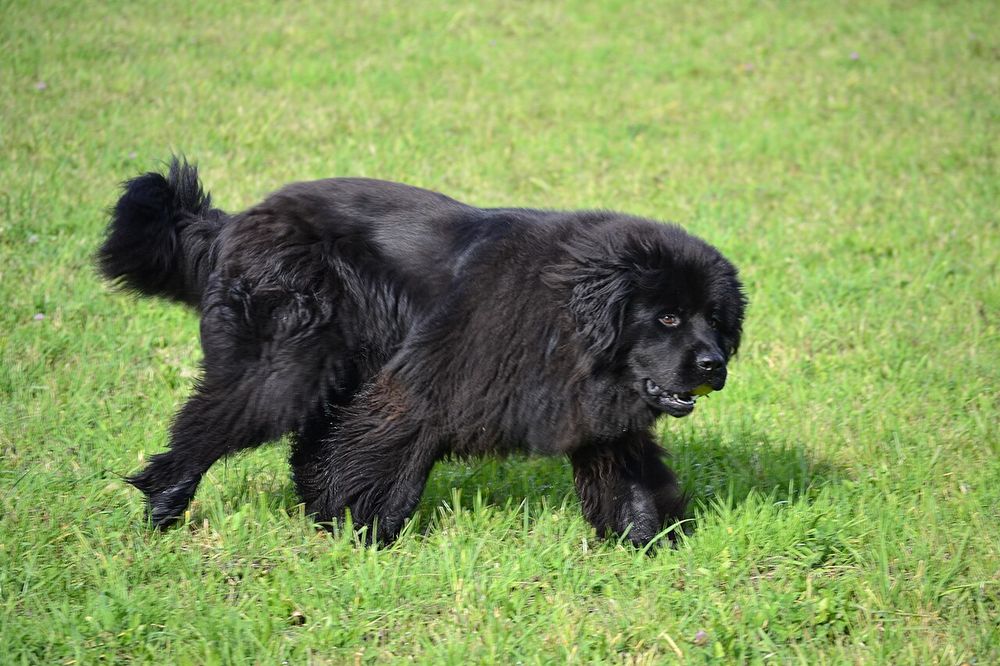 DogNewfoundlandAlso: Newfie, NewfA sweet, sociable water dog in a heavy coat. In India, the sitter's job is mostly about heat, grooming and drool.GiantModerate energy9 to 10 yearsHeat: struggles in heat
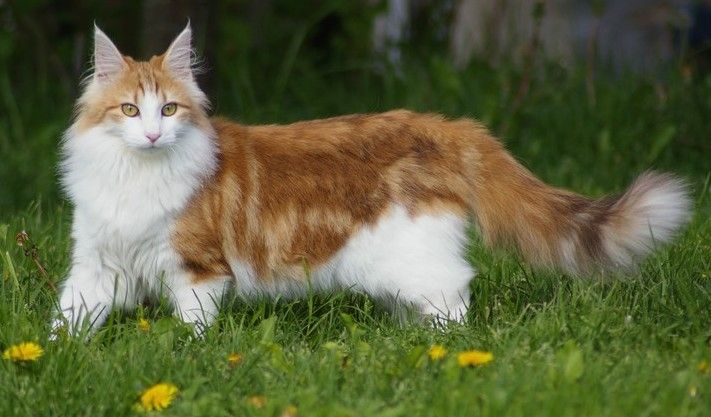 CatNorwegian Forest CatAlso: Wegie, Norwegian ForestA snow-country double coat in an Indian flat: a cool room, spring moult combing and tall perches.LargeModerate energy14 to 16 yearsHeat: struggles in heat
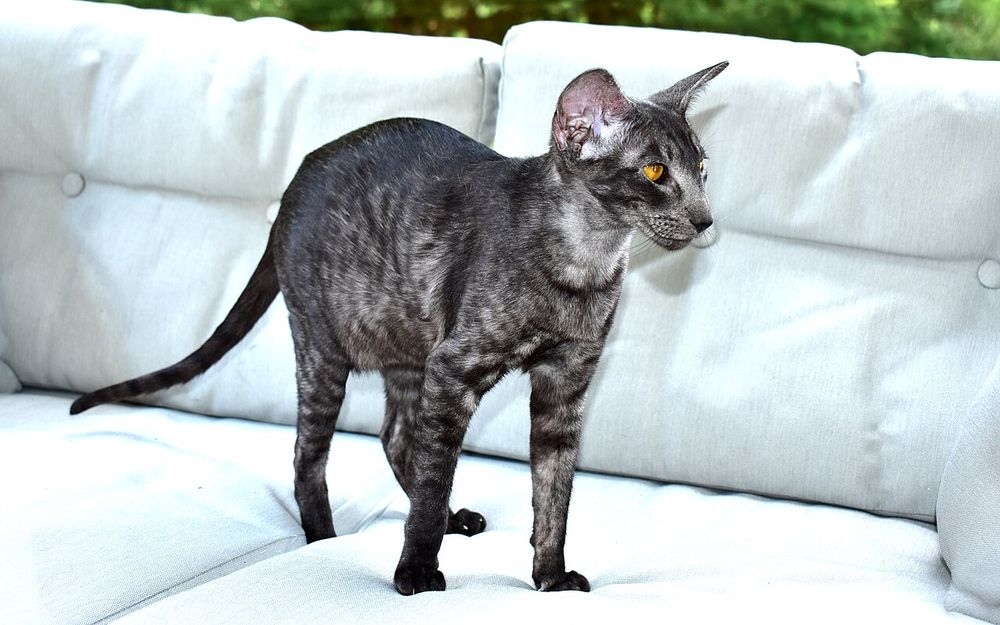 CatOriental ShorthairAlso: Oriental, Oriental catTalkative, athletic and hungry for company: a cat that needs real play and long visits from its sitter.MediumHigh energy12 to 15 yearsHeat: copes with care
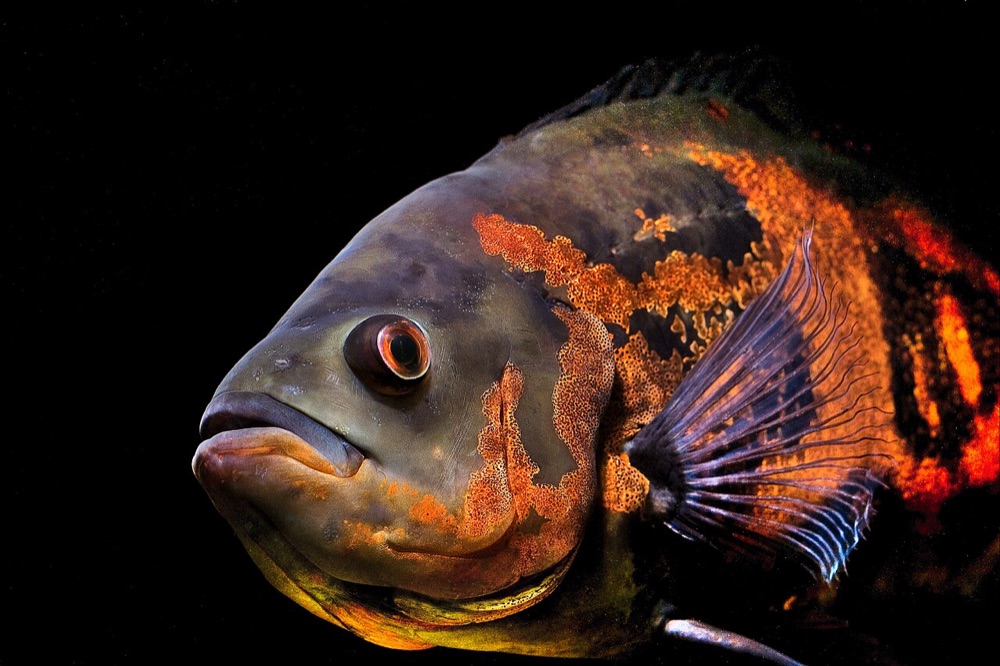 FishOscar fishAlso: Oscar, Astronotus ocellatusA big, hungry South American cichlid: a very large tank, a strong filter and a sitter who never overfeeds.LargeModerate energyHeat: copes well
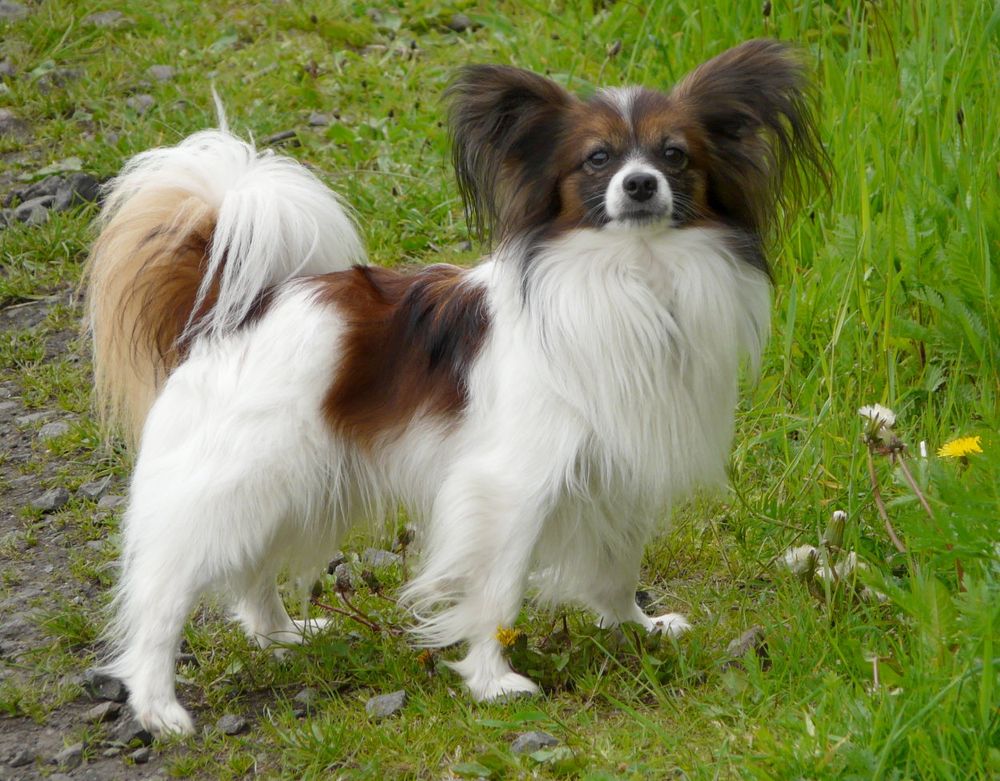 DogPapillonAlso: Butterfly dog, Continental Toy SpanielA tiny, clever, friendly toy dog with butterfly ears. How a sitter protects fragile legs, keeps it busy and handles the barking.ToyModerate energy14 to 16 yearsHeat: copes with care
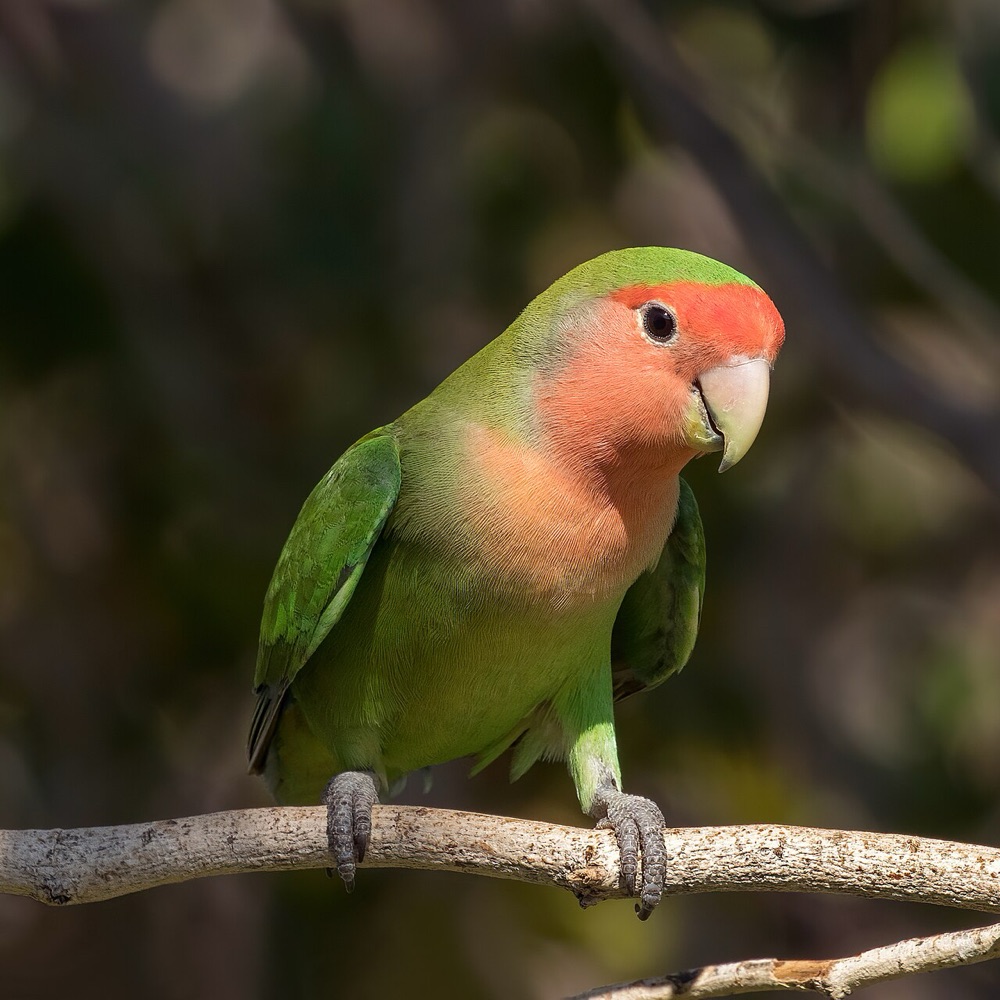 BirdPeach-faced lovebirdAlso: Rosy-faced lovebird, Agapornis roseicollisThe one lovebird the Act leaves off its lists: a desert parrot that drinks often, guards its mate and needs a cool, steady home.SmallHigh energy15 to 25 yearsHeat: copes with care
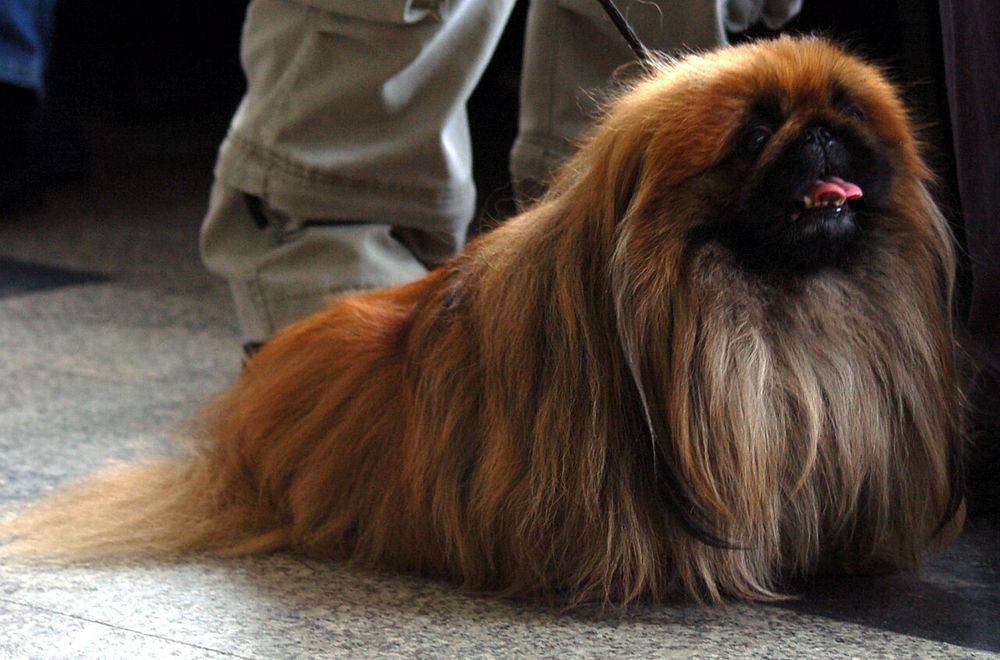 DogPekingeseAlso: Peke, PekineseFlat face, long coat, prominent eyes: daily grooming, cool rooms and fast action on eye injuries.ToyLow energyHeat: struggles in heat
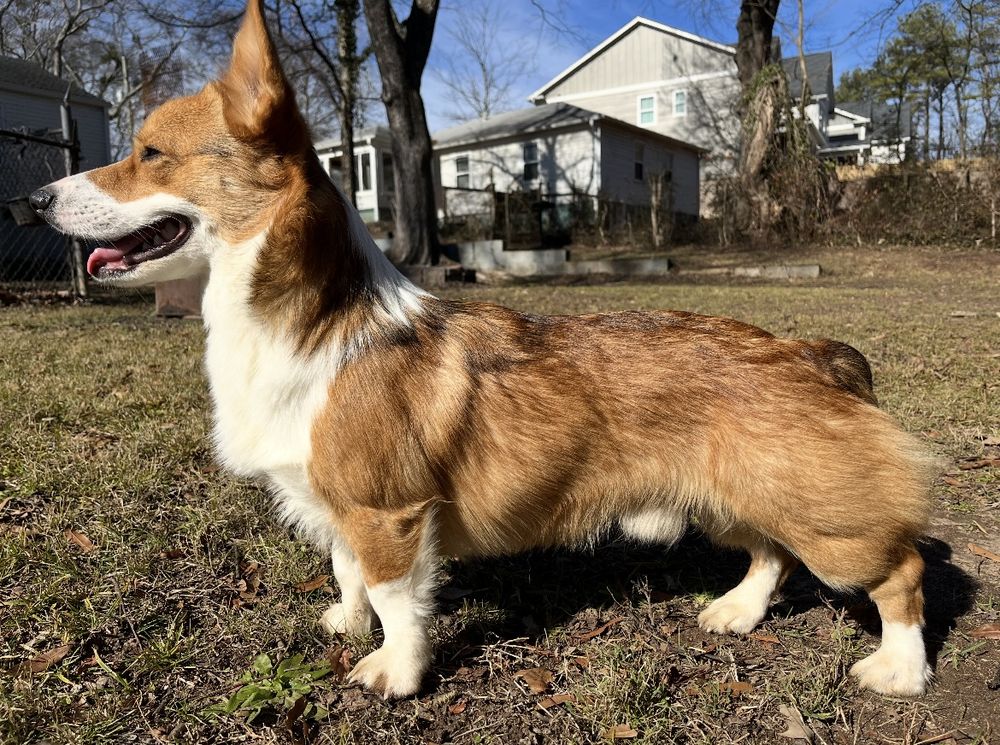 DogPembroke Welsh CorgiAlso: Corgi, Welsh CorgiA bold little herding dog with a big bark, a thick double coat and a love of food. How a sitter manages shedding, weight, heat and herding habits.SmallModerate energy12 to 13 yearsHeat: copes with care
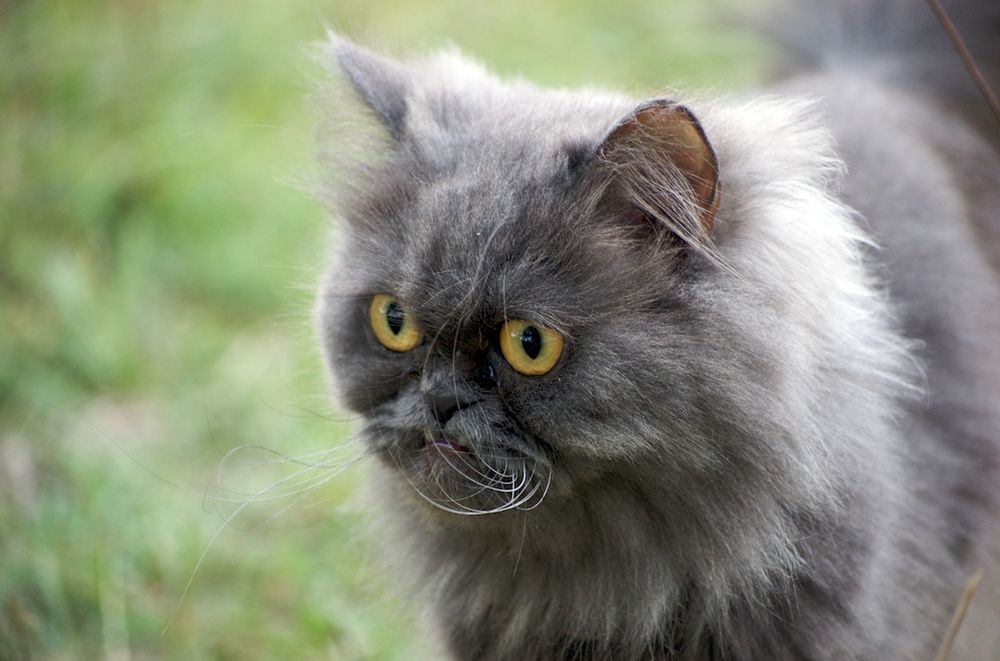 CatPersian catAlso: Persian, Doll face PersianA flat face, a heavy coat and Indian heat: daily combing, clean eyes and a cool room.MediumLow energy14 to 16 yearsHeat: struggles in heat
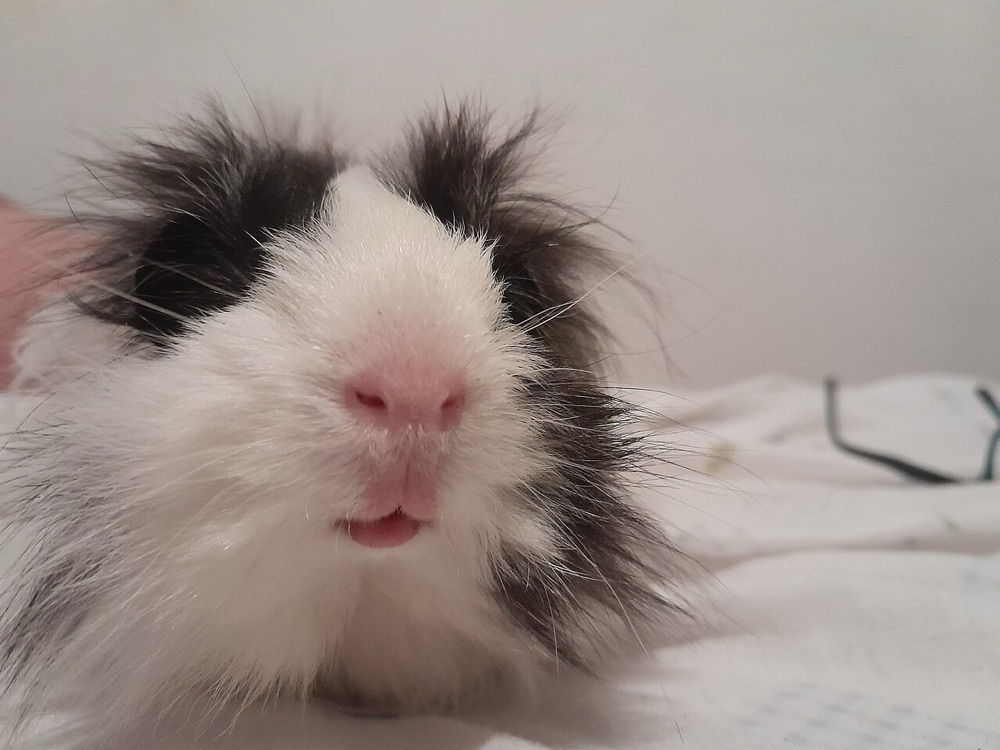 Guinea pigPeruvian guinea pigAlso: Peruvian cavy, Long-haired guinea pigThe longest coat of any guinea pig: daily brushing, a clean rear end and a very cool room in summer.SmallModerate energy5 to 8 yearsHeat: struggles in heat
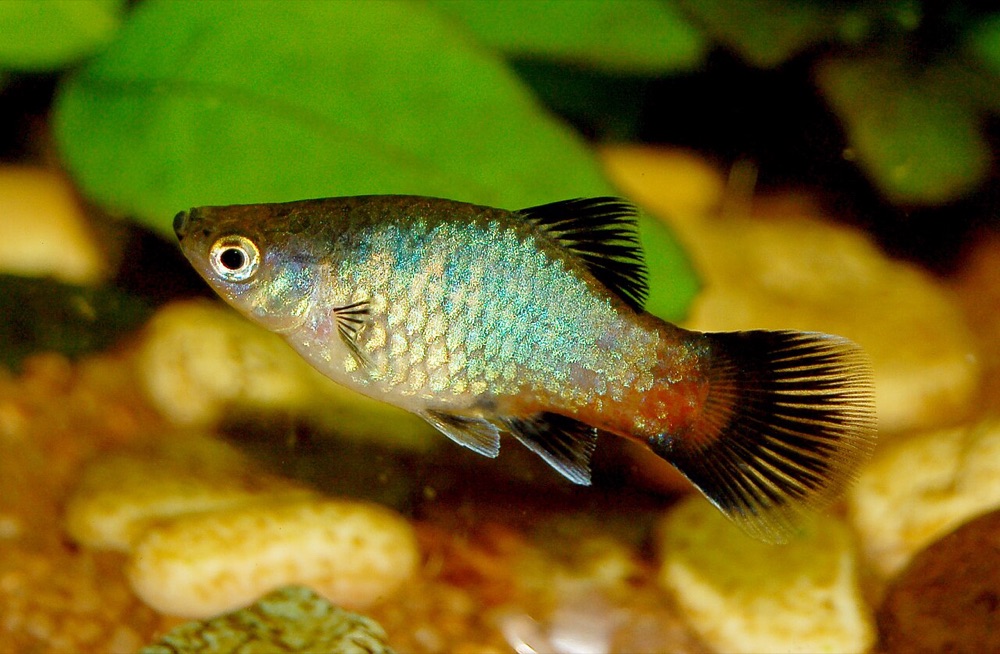 FishPlaty fishAlso: Platy, Southern platyfishA small, peaceful livebearer often chosen for a first tank: a cycled filter, light meals and a daily count.ToyModerate energyHeat: copes with care
 DogPomeranianAlso: Pom, Pomeranian dogA tiny, lively spitz with a fluffy coat and fragile legs. How a sitter handles a Pom safely, keeps it cool and stops the falls.ToyLow energy12 to 16 yearsHeat: copes with care
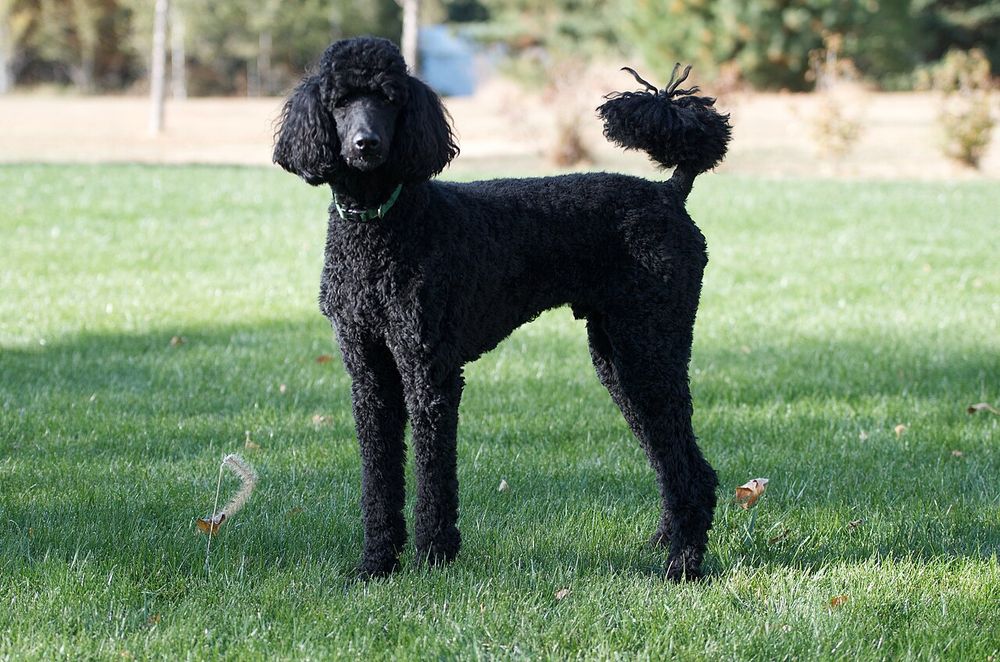 DogPoodleAlso: Standard Poodle, Miniature PoodleThree sizes, one clever, low-shedding dog: daily grooming, brain games and a calm routine.MediumModerate energy10 to 18 yearsHeat: copes with care
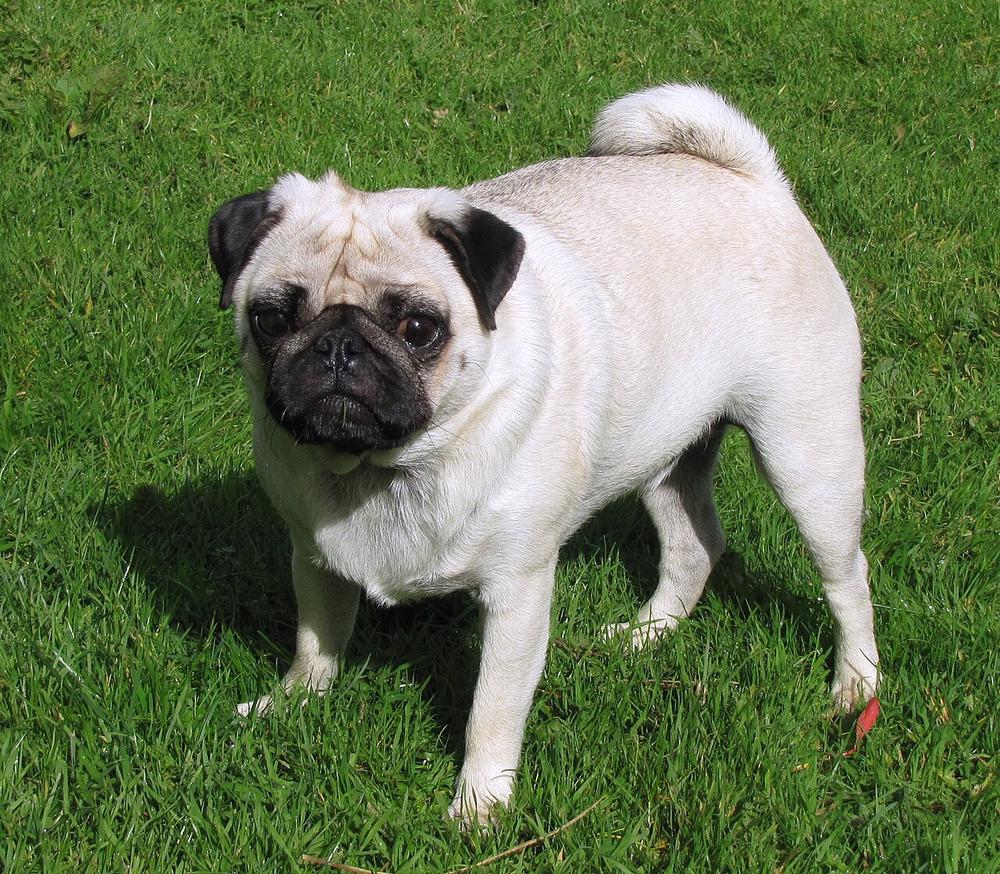 DogPugAlso: Pug dog, PugsA sociable companion with a flat face that struggles in heat. The signs every sitter must know and how to keep a Pug cool.SmallModerate energy13 to 15 yearsHeat: struggles in heat
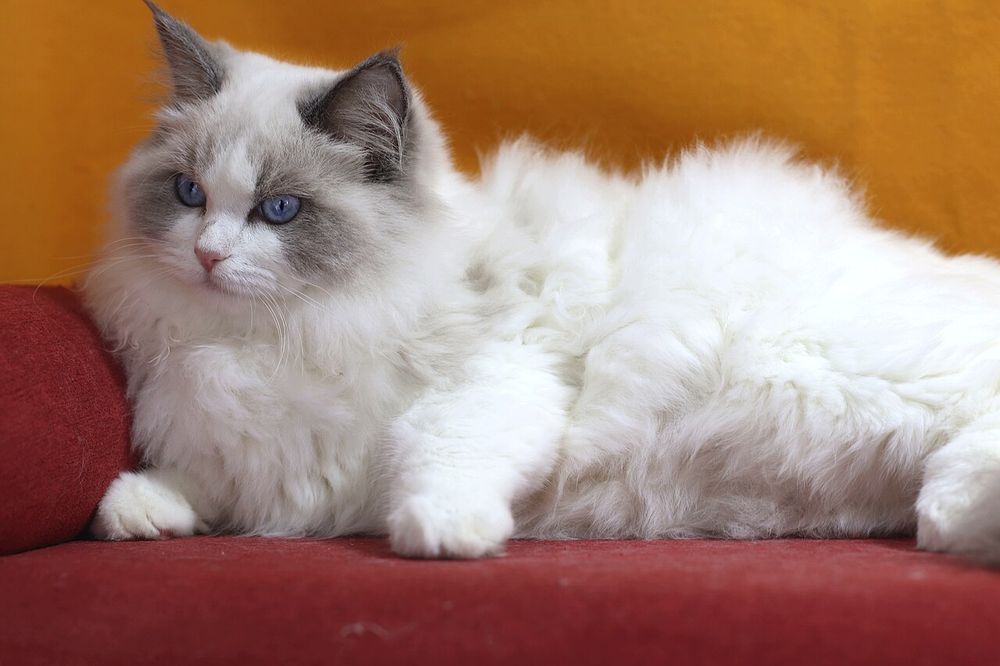 CatRagdollAlso: Ragdoll cat, Rag doll catA calm, large, semi-longhaired cat: easy company for a sitter, with a heart condition to know about.LargeModerate energy12 to 17 yearsHeat: copes with care
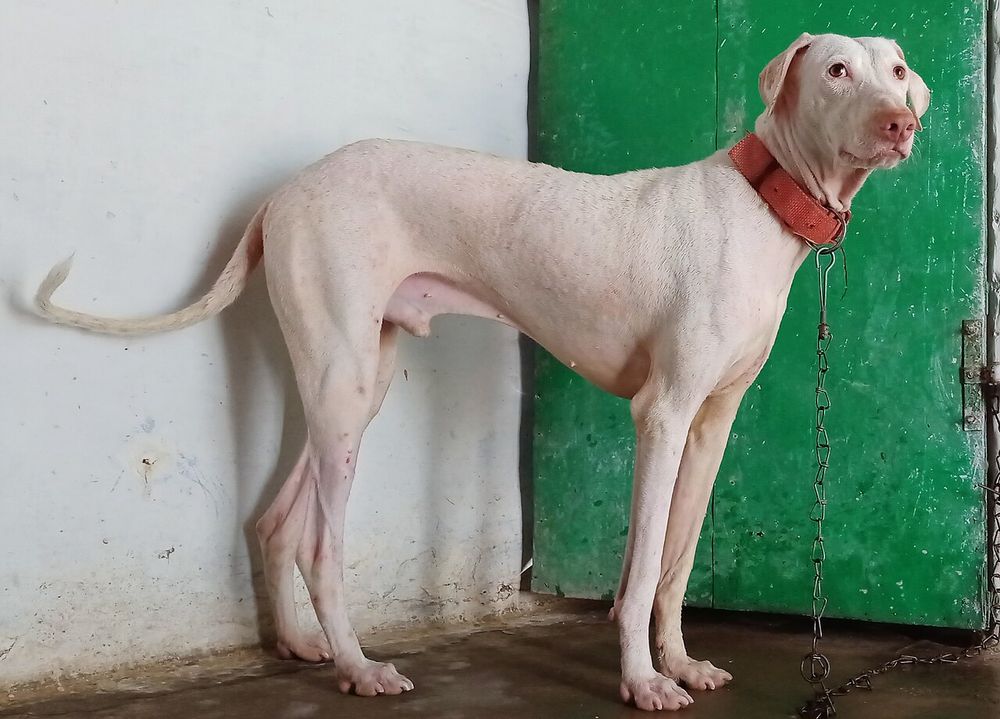 DogIndian breedRajapalayamAlso: Rajapalayam dog, Rajapalayam houndTamil Nadu's white sighthound: alert with strangers, loyal to one family, and short on reliable data.MediumHigh energyHeat: copes with care
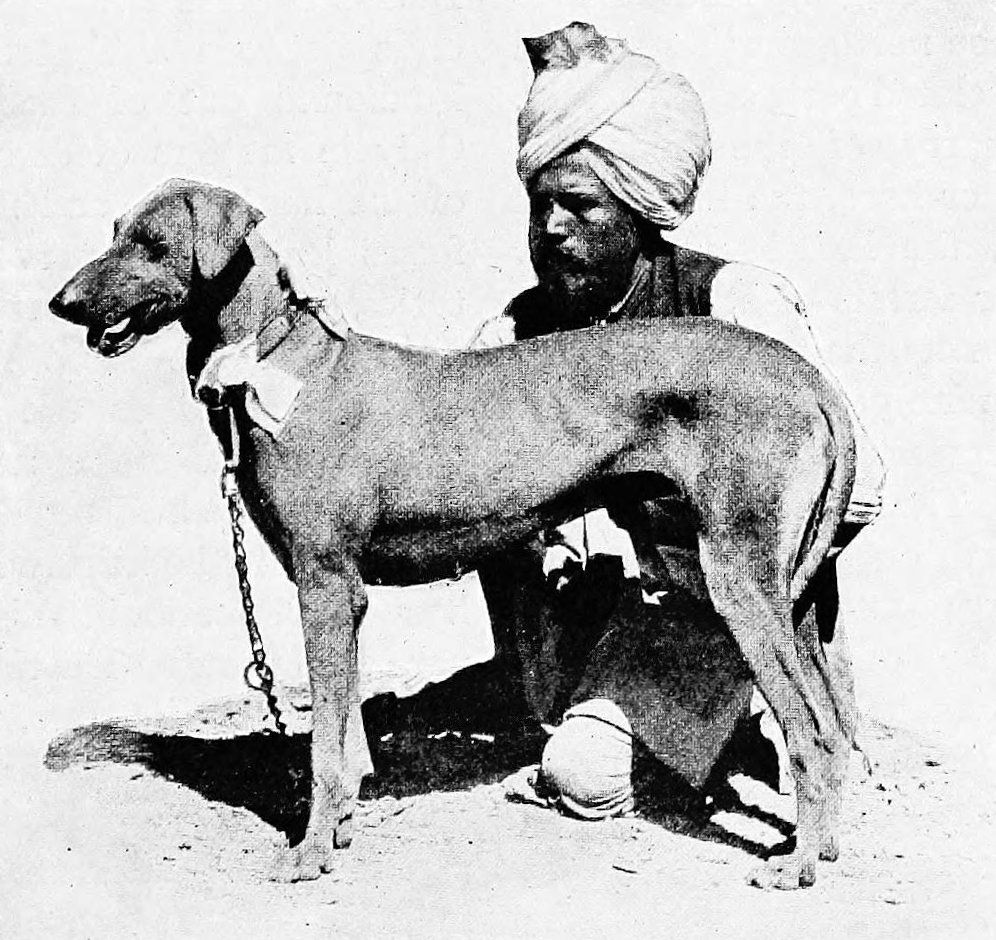 DogIndian breedRampur GreyhoundAlso: Rampur Hound, Rampur dogUttar Pradesh's rare sighthound, now trained by the BSF. Little is measured, so a sitter plans for speed and heat.High energyHeat: copes with care
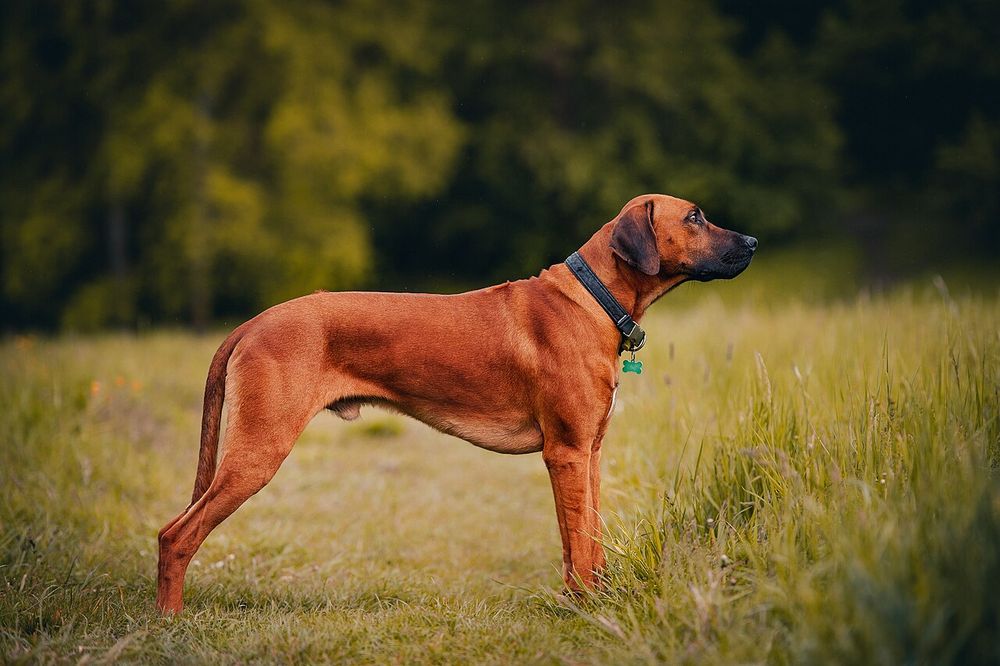 DogRhodesian RidgebackAlso: Ridgeback, RhodesianAn athletic, independent hound with a strong prey drive, on India's 2024 breed list. Exercise, heat and handling for a sitter.LargeVery high energy10 to 12 yearsHeat: copes with care
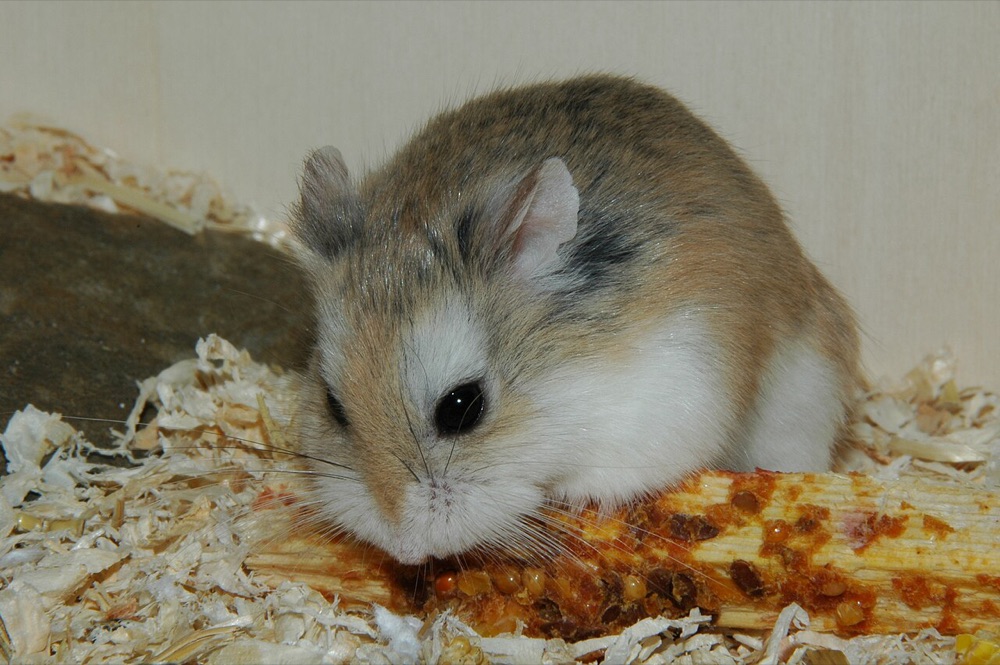 HamsterRoborovski hamsterAlso: Robo hamster, Roborovski dwarf hamsterThe smallest, fastest hamster: a pet to watch, escape-proof housing and careful checks on a pair.SmallVery high energy3 to 4 yearsHeat: struggles in heat
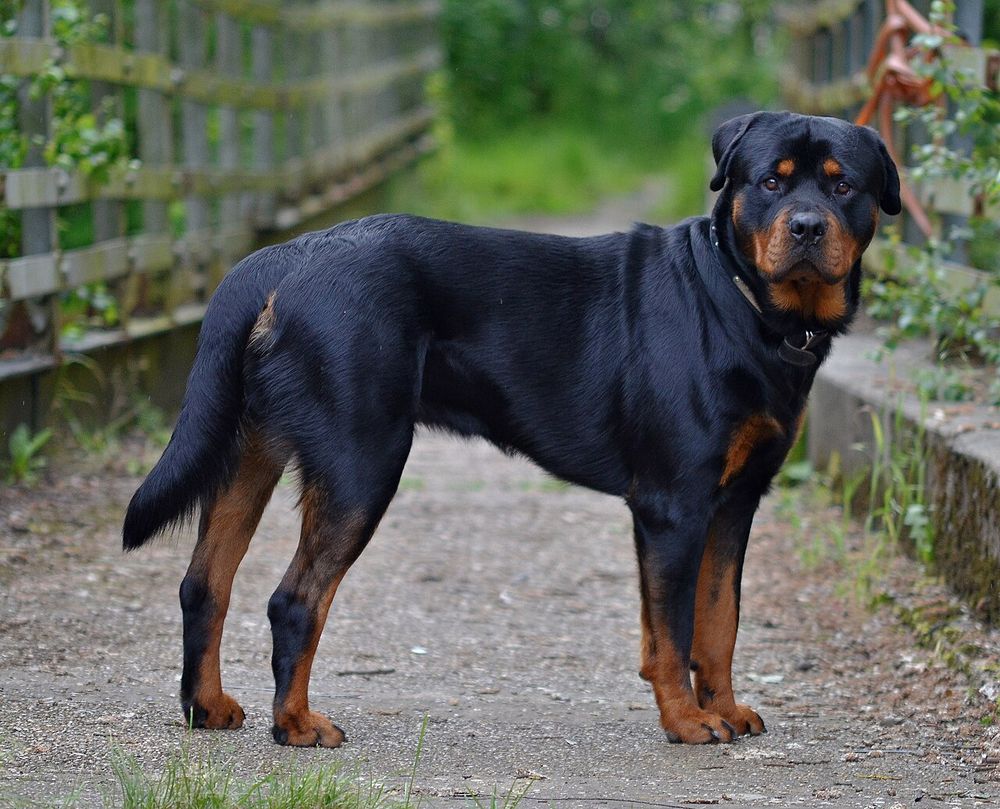 DogRottweilerAlso: Rottie, RottA strong, protective dog that bonds deeply with its family. How a sitter earns trust, handles a big dog in a society and spots health trouble.LargeHigh energy9 to 10 yearsHeat: copes with care
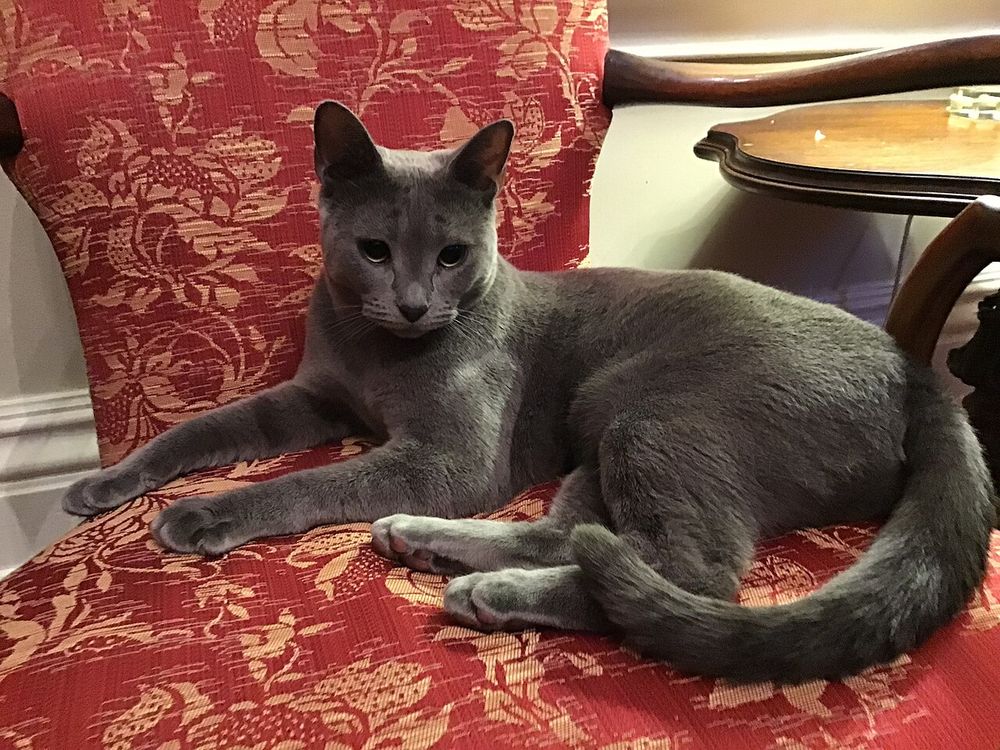 CatRussian BlueAlso: Russian Blue cat, RussianClever, quiet and wary of strangers: a slow introduction, puzzle feeding and a close eye on weight.MediumModerate energy12 to 15 yearsHeat: copes with care
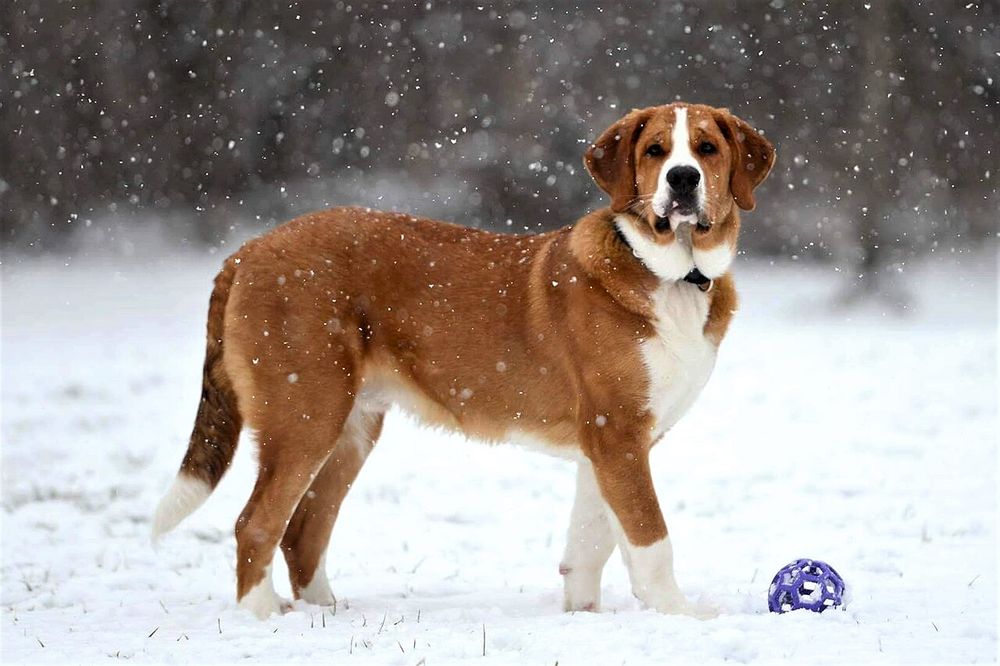 DogSaint BernardAlso: St Bernard, St. BernardA gentle giant built for cold: an Indian summer needs a cool room, a power-cut plan and calm meals.GiantModerate energy8 to 10 yearsHeat: struggles in heat
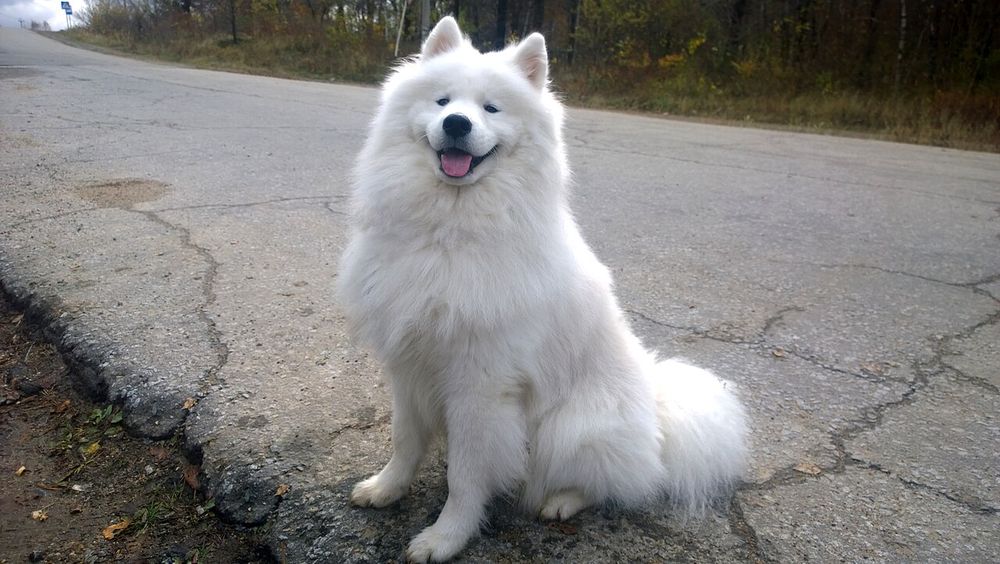 DogSamoyedAlso: Sammy, Samoyed dogAn Arctic sledge dog with a dense double coat: Indian summers, two hours of exercise and no shaving.MediumHigh energy12 to 14 yearsHeat: struggles in heat
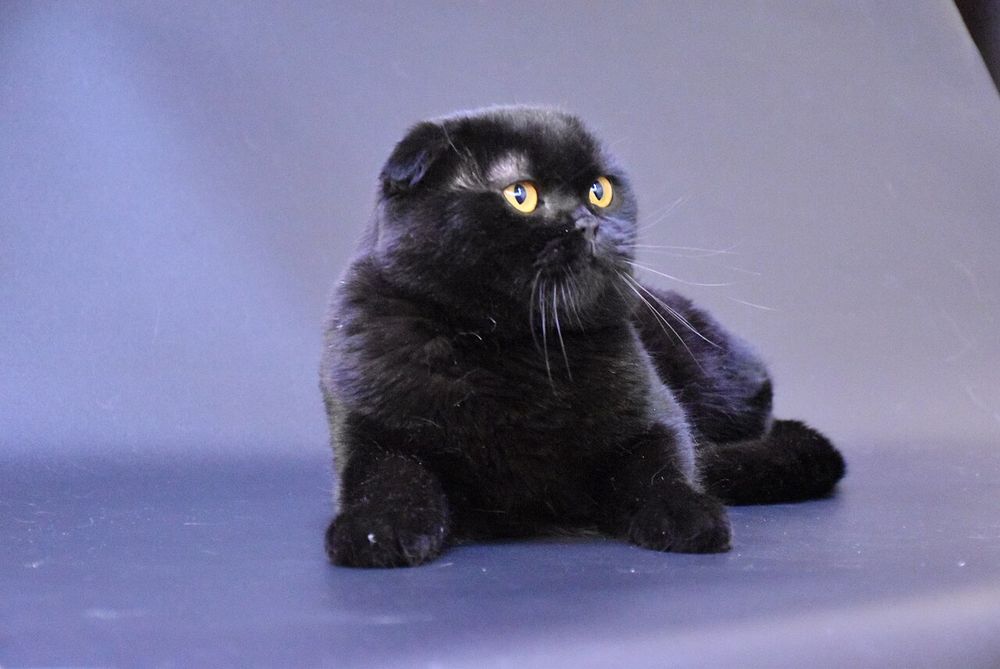 CatScottish FoldAlso: Scottish Fold cat, FoldThe folded ear comes with a painful cartilage disease: low steps, a low tray and a sitter who spots pain.MediumModerate energy14 to 16 yearsHeat: copes with care
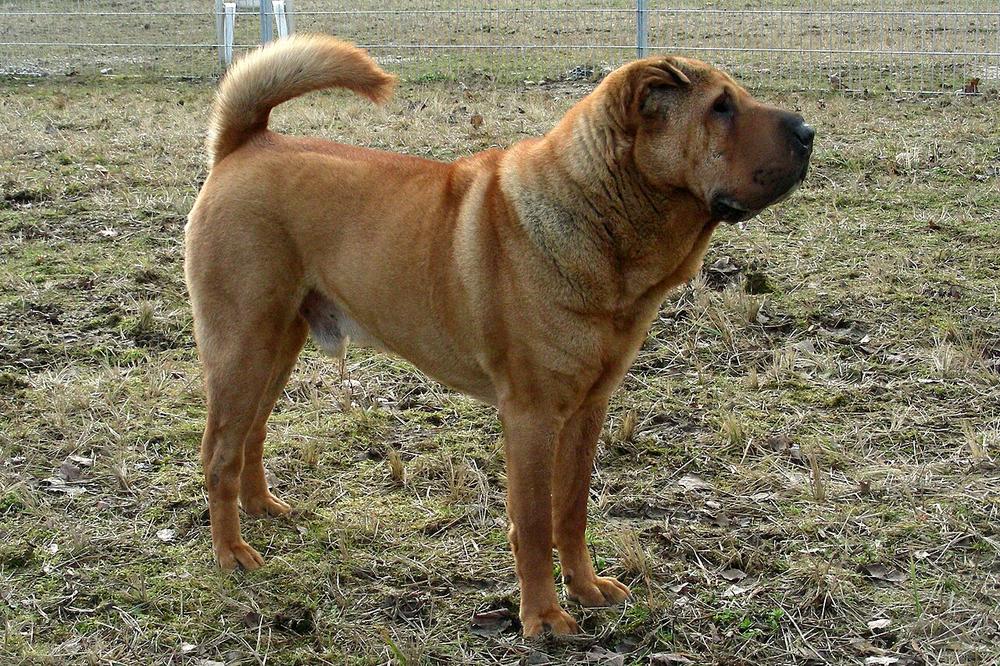 DogShar PeiAlso: Chinese Shar-Pei, Shar-PeiA calm, loyal, deeply wrinkled Chinese guard dog. Why a sitter checks its folds, eyes and temperature every day, and keeps it cool.MediumModerate energy8 to 12 yearsHeat: copes with care
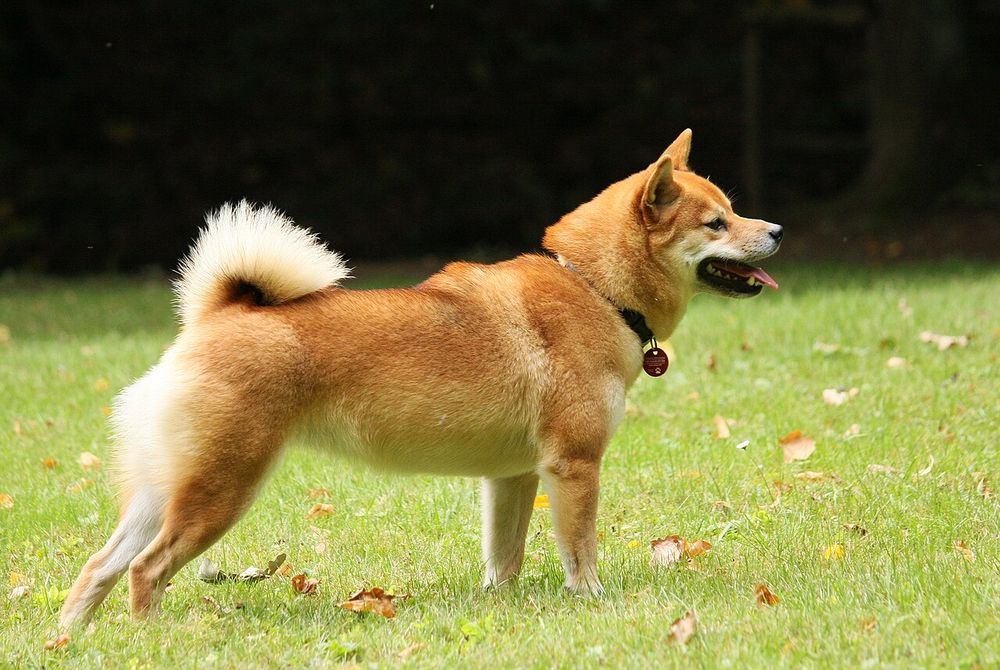 DogShiba InuAlso: Shiba, Japanese Shiba InuA bold, cat-like Japanese spitz that never comes back off the leash. How a sitter handles doors, the shedding and a dog with its own mind.SmallModerate energy13 to 16 yearsHeat: copes with care
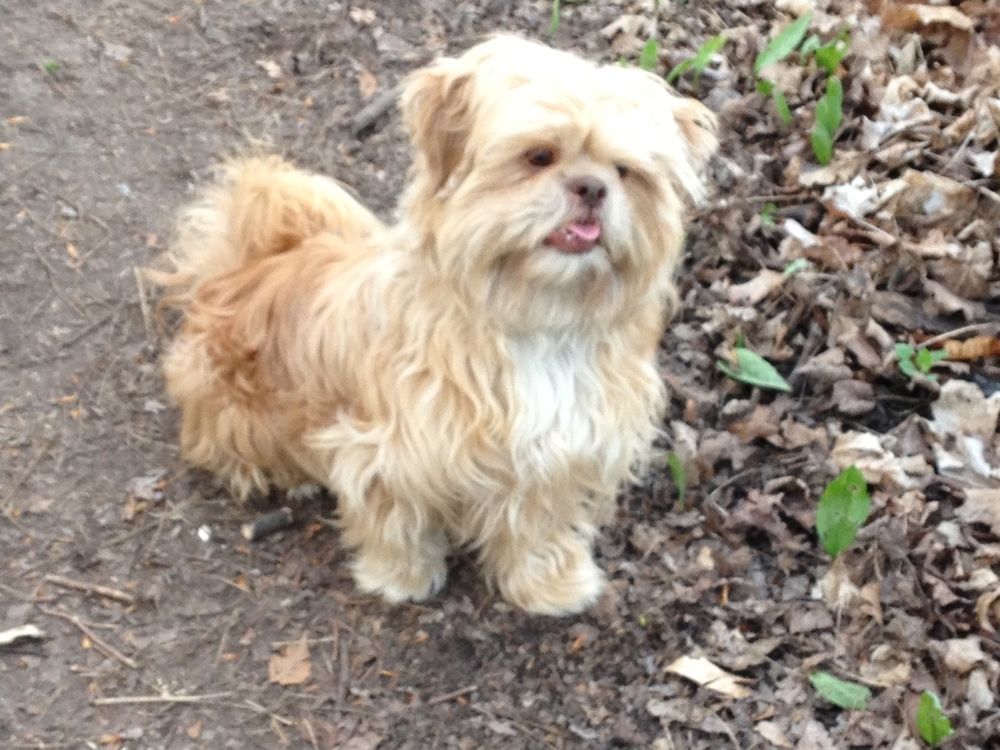 DogShih TzuAlso: Shihtzu, Shih-tzuA small, friendly, flat-faced dog with a coat that needs daily care. What a sitter watches for: breathing, eyes and heat.SmallLow energy10 to 18 yearsHeat: struggles in heat
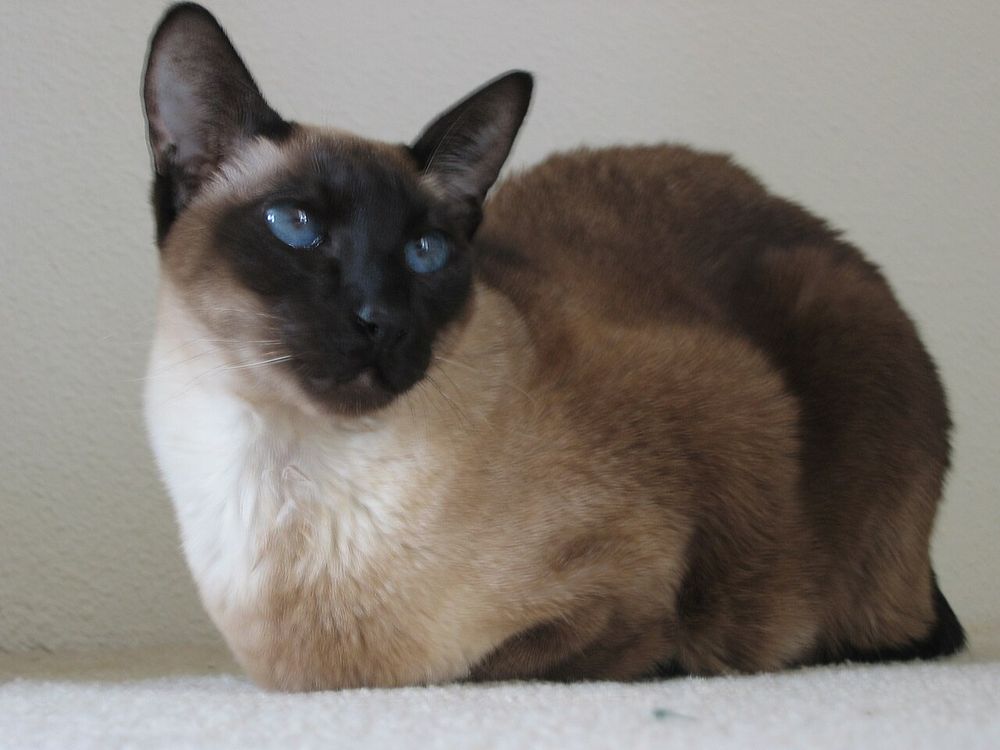 CatSiamese catAlso: Siamese, MeezerVocal, active and people-focused: a Siamese needs play and company at every visit, not just food.MediumHigh energy12 to 15 yearsHeat: copes with care
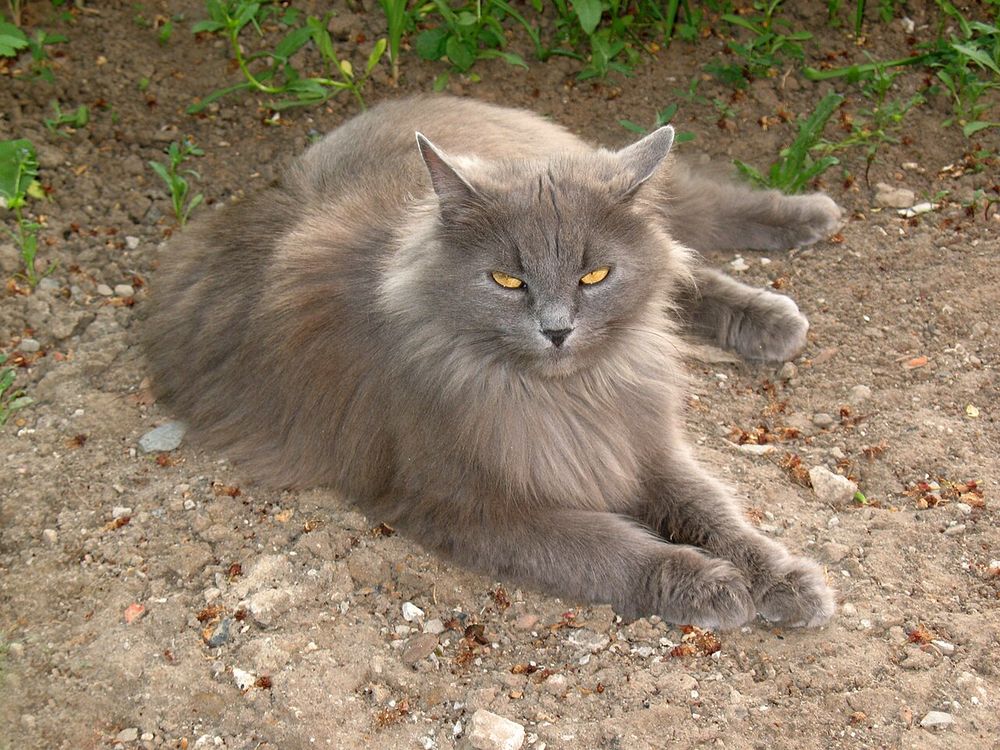 CatSiberian catAlso: Siberian, Siberian Forest CatA heavy triple coat from the Russian forests in an Indian flat: combing, cooling and a sitter who checks for mats.LargeHigh energy12 to 15 yearsHeat: struggles in heat
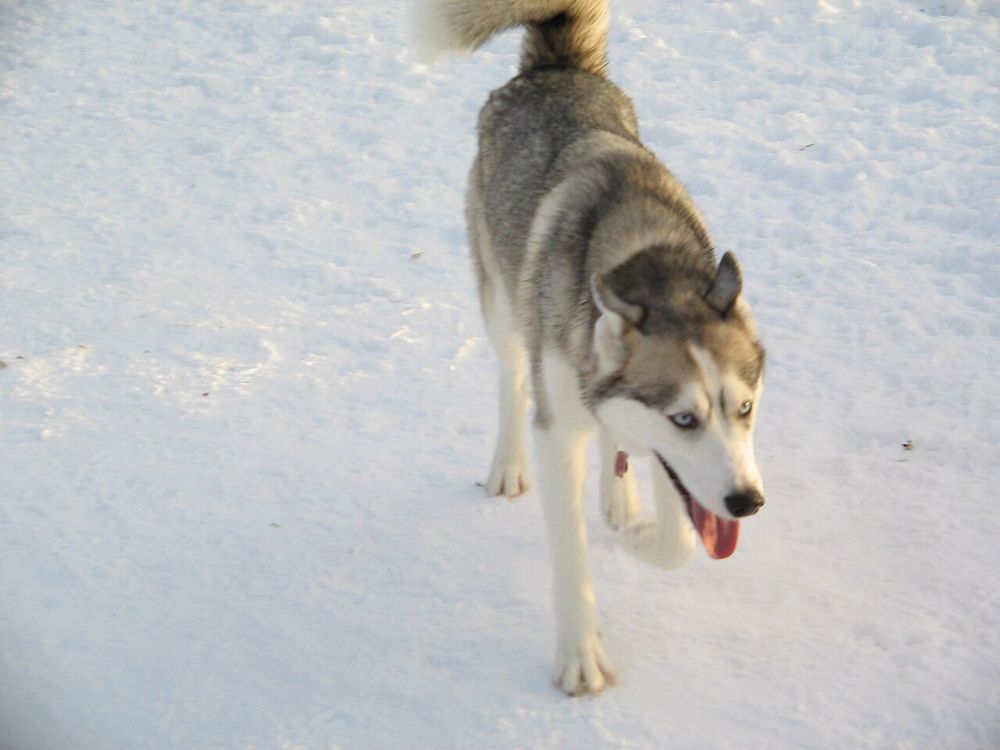 DogSiberian HuskyAlso: Husky, SiberianA sled dog with a thick coat and huge stamina, living in Indian heat. What a sitter must do to keep a Husky cool and busy.MediumVery high energyHeat: struggles in heat
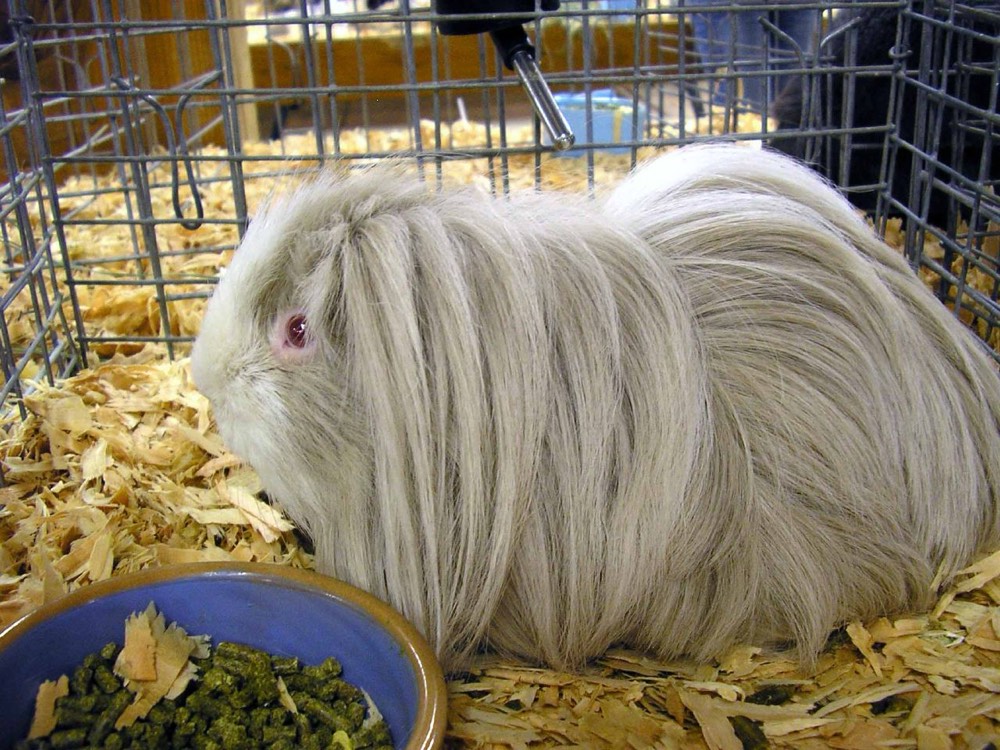 Guinea pigSilkie guinea pigAlso: Sheltie guinea pig, Silkie cavyLong, soft hair swept back from the face: a daily brush, a clean bottom in the monsoon and a cool room.SmallModerate energy5 to 8 yearsHeat: struggles in heat
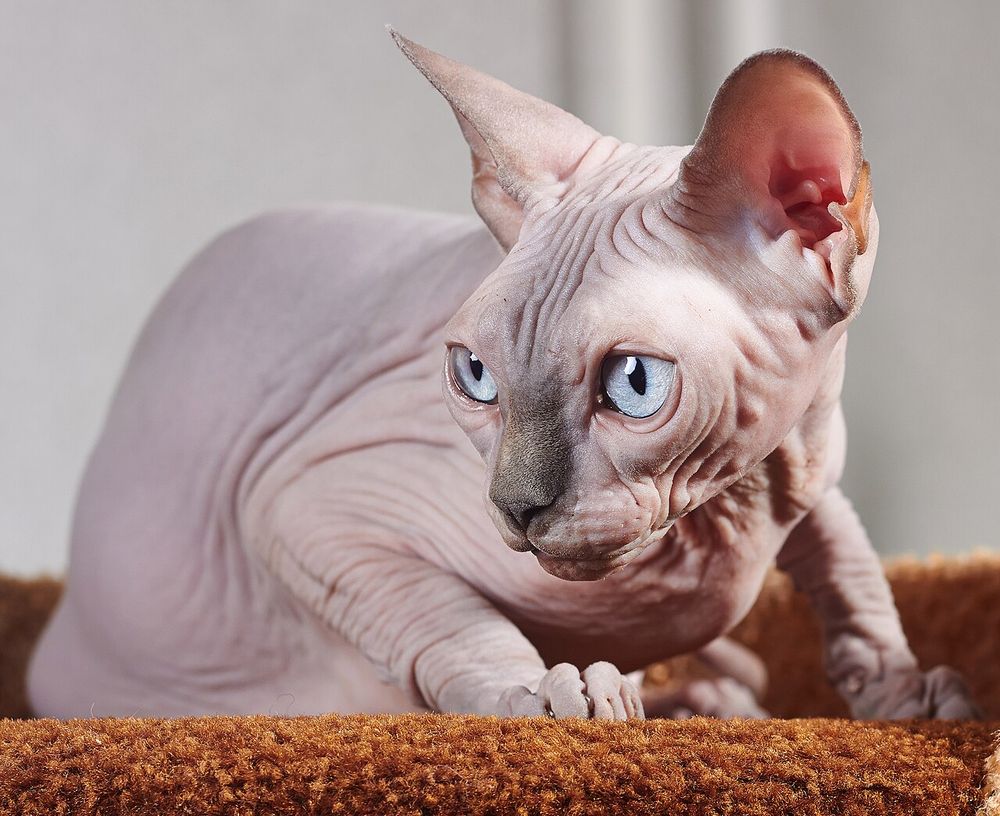 CatSphynx catAlso: Sphynx, Hairless catNo coat, oily skin and a strong wish for company: sun safety, baths and a heart to watch.MediumHigh energyHeat: copes with care
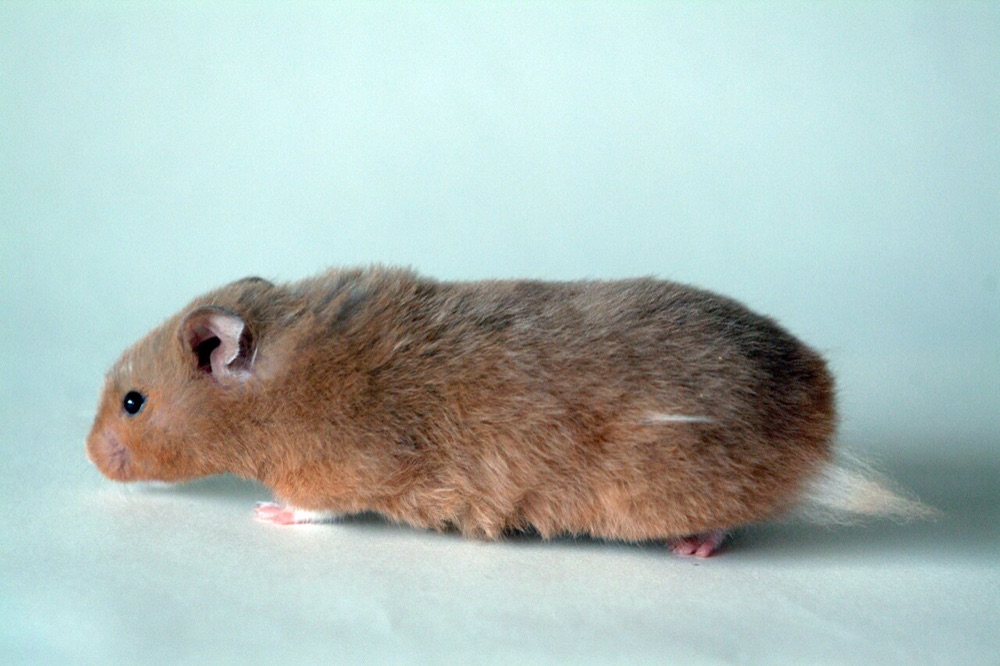 HamsterSyrian hamsterAlso: Golden hamster, Teddy bear hamsterThe biggest pet hamster: strictly solitary, a 30 cm wheel, a cool room and an eye on the heart in old age.SmallHigh energy1.5 to 3 yearsHeat: struggles in heat
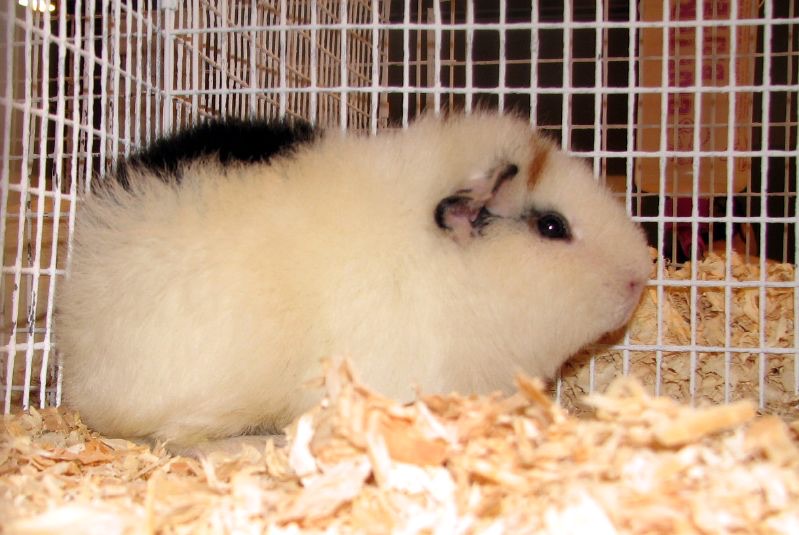 Guinea pigTeddy guinea pigAlso: Teddy cavy, Teddy bear guinea pigA short, dense coat that stands on end: weekly brushing, skin checks, and a cool room through summer.SmallModerate energy5 to 8 yearsHeat: struggles in heat
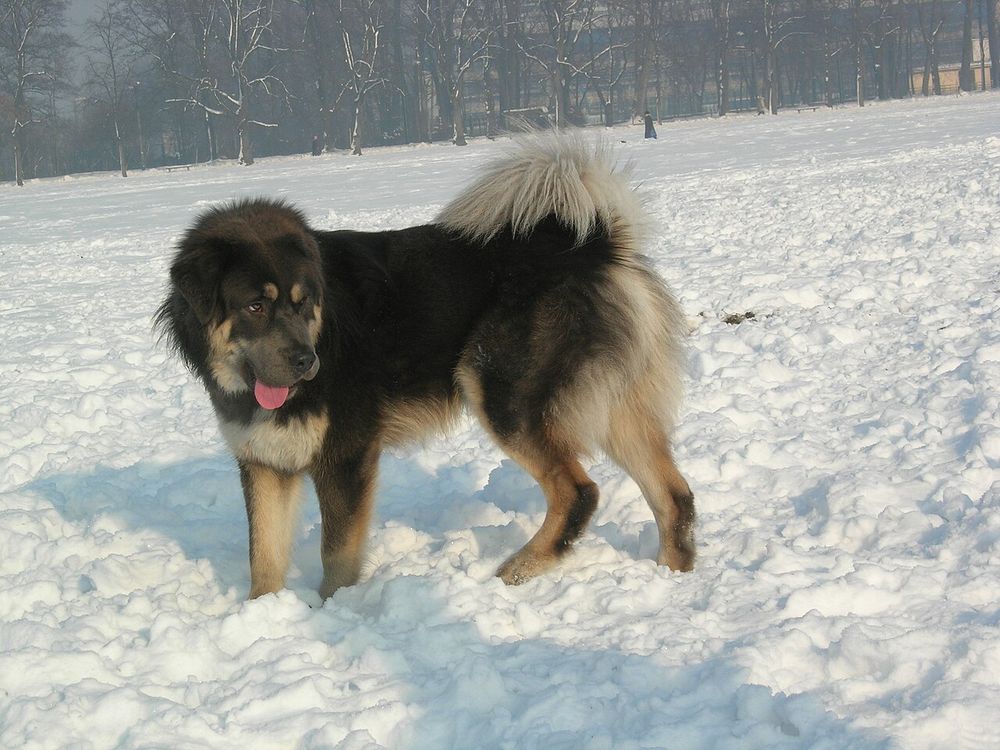 DogTibetan MastiffAlso: TM, Do-KhyiA Himalayan guardian with a heavy coat, a mind of its own and no reliable recall. What a sitter in the plains must plan for.LargeModerate energyHeat: struggles in heat
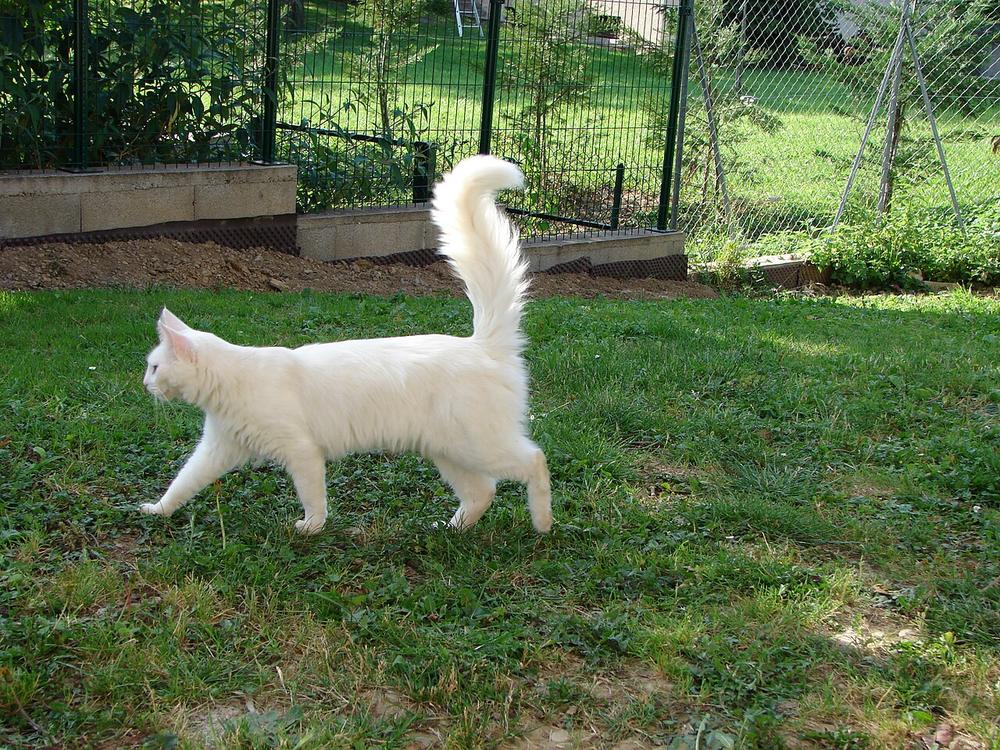 CatTurkish AngoraAlso: Angora cat, Turkish Angora catA silky single coat, a busy climber, and hearing checks for white cats: what a sitter needs to know.SmallHigh energy15 to 20 yearsHeat: copes with care
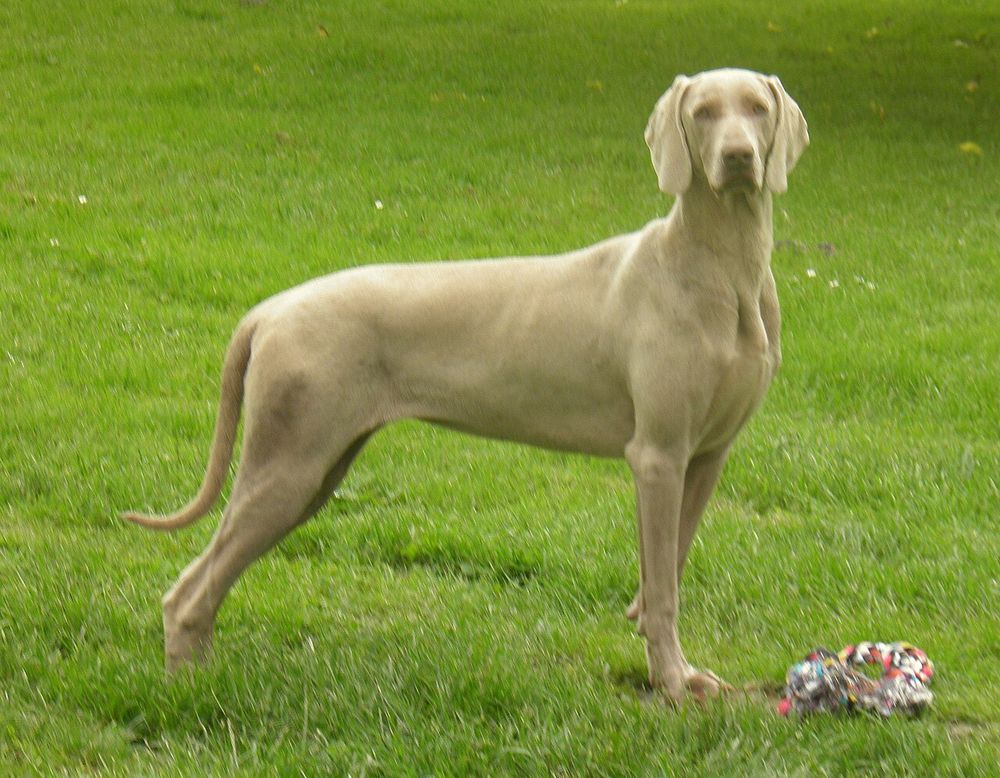 DogWeimaranerAlso: Weim, Grey GhostA tireless silver-grey gundog that needs hours of work a day. How a sitter fits that into Indian heat, and why meals and bloat matter.LargeVery high energyHeat: copes with care
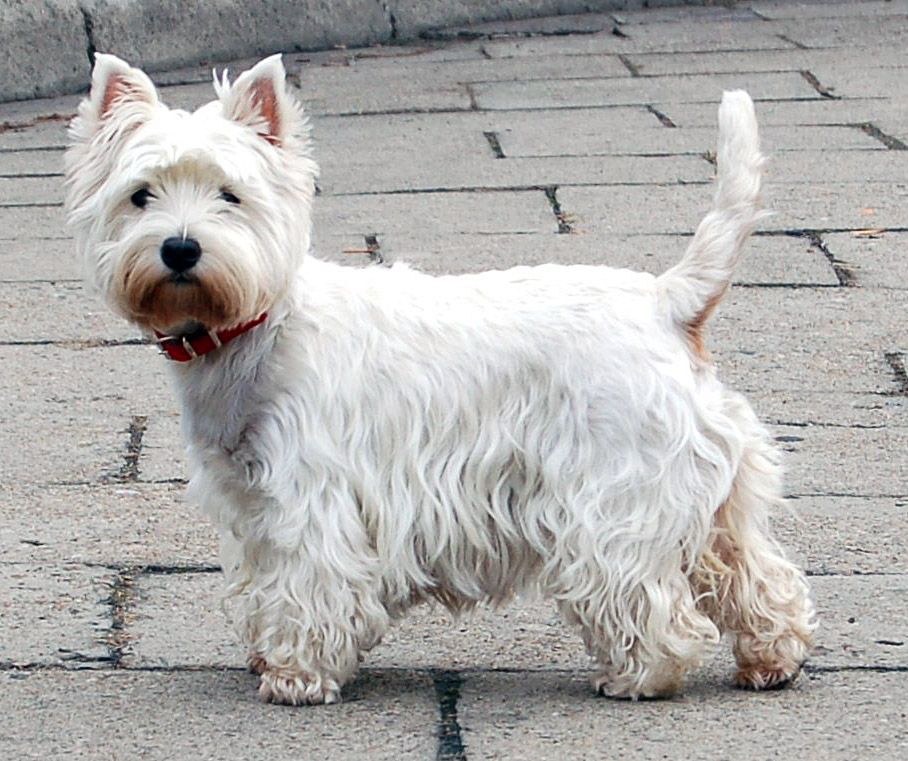 DogWest Highland White TerrierAlso: Westie, West Highland TerrierA small, bold white terrier with a big voice and sensitive skin. How a sitter handles itching, ears, chasing and barking.SmallModerate energyHeat: copes with care
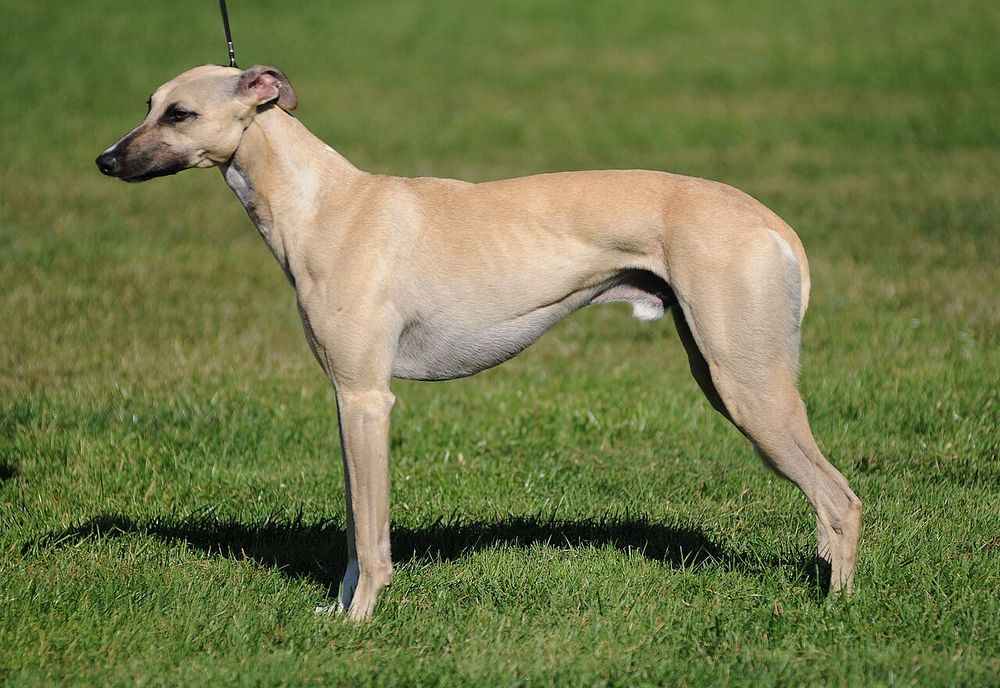 DogWhippetAlso: Whippet hound, English WhippetA gentle sofa dog that sprints like a racer. How a sitter gives it safe runs, keeps it leashed, warm in winter and at the right lean weight.MediumModerate energyHeat: copes with care
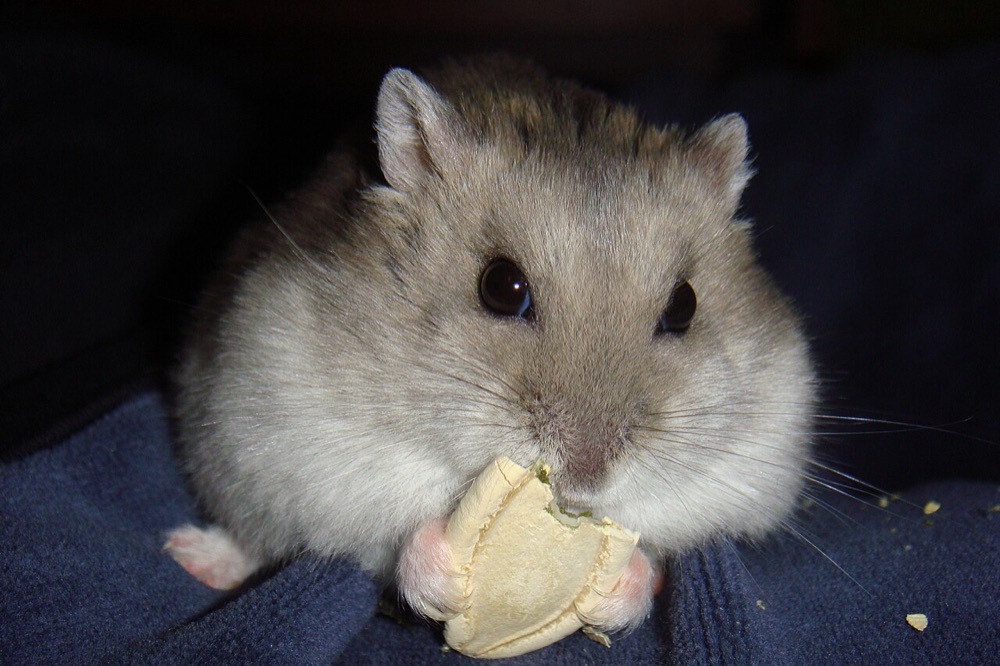 HamsterWinter white hamsterAlso: Winter white dwarf hamster, Djungarian hamsterThe Siberian dwarf that turns white in winter: torpor or illness, lumps, sugar and a cool room.SmallHigh energy1.5 to 2 yearsHeat: struggles in heat
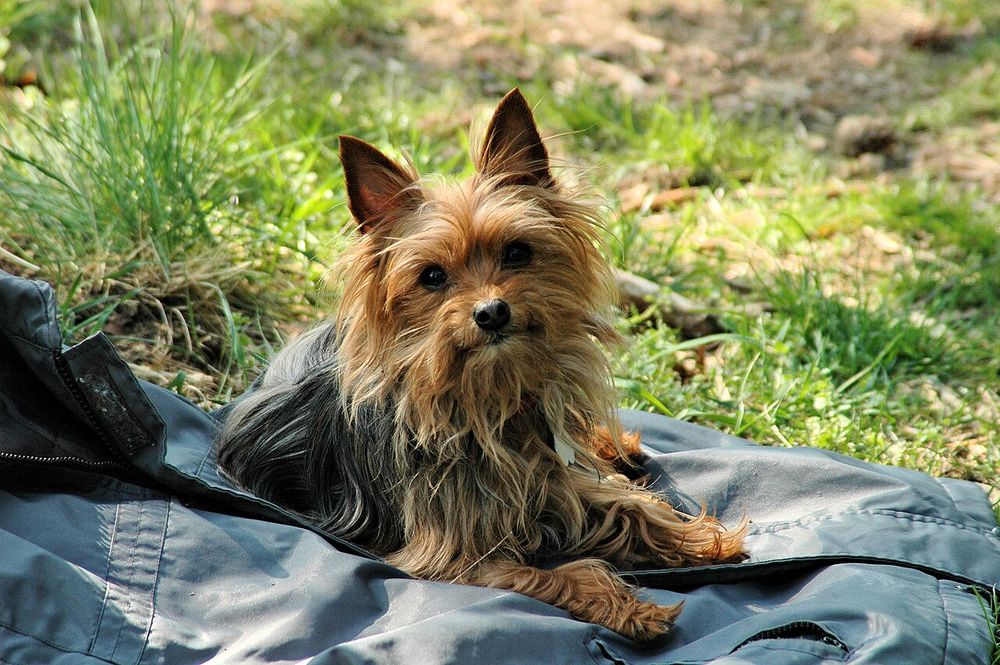 DogYorkshire TerrierAlso: Yorkie, YorkyTiny, long-coated and prone to a honking cough: harness only, calm greetings, daily brushing.ToyLow energy11.3 to 15.15 yearsHeat: copes with care
Which breed page do I need?
- You live in a flat
- Lhasa ApsoShih TzuPomeranian
- You want an Indian breed
- Indie dogRajapalayamMudhol HoundChippiparai
- Your dog has a flat face
- PugFrench BulldogBulldogWhat brachycephalic means
- A big dog that needs hours of exercise
- LabradorGerman ShepherdGolden Retriever
- A heavy double coat in Indian heat
- Siberian HuskySamoyedWhat a double coat is
- You have a cat
- Indian catPersianCat care while you are away
- Summer is coming
- Heatstroke in dogsSummer pet care in India
- Rules about breeds
- Banned dog breeds in IndiaPets in housing societies
Where reliable data on a breed does not exist, as for most Indian breeds' heat tolerance and lifespan, the page says so rather than guessing.
Dog breeds A to Z
- Akita
- Alaskan Malamute
- American Bully
- American Cocker Spaniel
- American Pit Bull Terrier
- Australian Shepherd
- Bakharwal dog
- Basset Hound
- Beagle
- Belgian Malinois
- Bernese Mountain Dog
- Bichon Frise
- Border Collie
- Boston Terrier
- Boxer
- Bull Terrier
- Bulldog
- Bullmastiff
- Cane Corso
- Caucasian Shepherd Dog
- Cavalier King Charles Spaniel
- Chihuahua
- Chippiparai
- Chow Chow
- Cocker Spaniel
- Dachshund
- Dalmatian
- Dobermann
- Dogo Argentino
- English Mastiff
- English Springer Spaniel
- French Bulldog
- Gaddi Kutta (Gaddi dog)
- German Shepherd
- Golden Retriever
- Great Dane
- Greyhound
- Havanese
- Indian pariah dog (Indie)
- Indian Spitz
- Irish Setter
- Jack Russell Terrier
- Kangal
- Kanni
- Kombai
- Labrador Retriever
- Lhasa Apso
- Maltese
- Miniature Pinscher
- Miniature Schnauzer
- Mudhol Hound
- Neapolitan Mastiff
- Newfoundland
- Papillon
- Pekingese
- Pembroke Welsh Corgi
- Pomeranian
- Poodle
- Pug
- Rajapalayam
- Rampur Greyhound
- Rhodesian Ridgeback
- Rottweiler
- Saint Bernard
- Samoyed
- Shar Pei
- Shiba Inu
- Shih Tzu
- Siberian Husky
- Tibetan Mastiff
- Weimaraner
- West Highland White Terrier
- Whippet
- Yorkshire Terrier
Cat breeds A to Z
How do you choose a dog breed for an Indian home?
Start from your summers, your floor space and your hours away, not from a photo. Then check the breed's exercise need against the time you really have.
Heat comes first in most of India. A large UK study of vet records found that flat-faced dogs had about twice the odds of heat-related illness of medium-nosed dogs, that every weight band over 10 kg had higher odds than small dogs, and that dogs at or above their breed's average weight were at higher risk too. Exercise, not a hot car, set off about three in four of the cases. In a Delhi May or a humid Chennai June, a breed that struggles to cool itself needs walks only at dawn and after dark, and a room that stays cool when the power fails.
Exercise comes second. The Royal Kennel Club gives toy breeds such as the Chihuahua, Maltese and Pomeranian up to 30 minutes a day, lists the Lhasa Apso, Pug and Shih Tzu at up to an hour and as suited to a flat, and puts the Labrador, Golden Retriever, German Shepherd, Boxer, Dalmatian and Border Collie at more than two hours. Two hours of walking in a city summer means two walks in the cool hours, every day, including the days you travel.
Time alone comes third. PDSA's general advice is that no dog should be left alone for more than four hours at a time, and it says that plainly for breeds such as the Jack Russell and the Samoyed. If both adults work long days, plan a midday walker or a sitter before you choose a dog, not after. A barker is also a neighbour problem in a flat: AKC rates the Siberian Husky at the top of its scale for barking and howling.
Last, the paperwork. Your housing society cannot refuse a dog because of its size: the Animal Welfare Board of India's 2015 guidelines say associations cannot allow small dogs while barring large ones. Some cities do have their own breed rules, so read the banned breeds page before you bring home a Rottweiler or a Pitbull.
How do different breed types cope with Indian heat?
Grouped by what drives the risk: a flat face, a heavy coat, sheer size, or a dog that will not stop running. Each row's source is the evidence for that group.
| Heat risk, from the evidence | When to walk in summer | What a sitter watches | |
|---|---|---|---|
| Flat-faced dogs: Pug, French Bulldog, Bulldog, Shih Tzu, Pekingese, Boxer Scientific Reports (2020)study | High. About twice the odds of heat-related illness as a group; the Bulldog about 14 times a Labrador's odds | Short, gentle walks at dawn and after dark only | Noisy or laboured breathing, mouth breathing at rest, collapse after play |
| Heavy double coats: Siberian Husky, Samoyed, Saint Bernard Merck Veterinary Manual | High. Merck notes that sled dogs survive extreme cold but struggle to cool off in heat | Early morning and late night; air-conditioned rest in the day | Panting that does not settle, lying flat on cool floors, refusing food |
| Large and giant dogs: Great Dane, Golden Retriever, Rottweiler, German Shepherd Scientific Reports (2020)study | Raised. Dogs of 50 kg or more had about 3.4 times the odds of dogs under 10 kg | Split the day's exercise into two cool-hour walks | Slowing down on walks, heavy panting, and for deep-chested breeds the signs of bloat |
| Active working dogs: Belgian Malinois, Border Collie, Dalmatian Animals (2020)study | Raised by behaviour. Exercise caused about three in four heatstroke cases in UK vet records | Cool hours only; stop the game before the dog wants to | A dog that keeps running when it should rest |
| Indian breeds: Indie, Rajapalayam, Mudhol Hound, Chippiparai INDog Project (independent; not a kennel club) | Probably lower, but not measured. The INDog Project says the Indie thrives in tropical weather and does not stand cold well | Early and late in peak summer; midday sun is fine in winter | Ticks, paw wounds, and shivering in a North Indian winter |
| Long-haired or flat-faced cats: Persian, Himalayan PDSA | High. PDSA lists long-haired and flat-faced cats among those most at risk of heatstroke | Indoors; a cool room and water in several places | Open-mouth breathing, restlessness, a cat that hides somewhere unusual |
The heat figures come from UK vet records and compare each group with the Labrador or with small dogs. No study has measured these breeds in Indian heat, so treat the rows as a guide to relative risk, not a forecast.
How much more do some breeds overheat?
Odds of heat-related illness compared with a Labrador, from a UK study of 905,543 dogs' vet records. A higher number means more caution in an Indian summer.
14 times
Bulldog, against the Labrador's odds Scientific Reports (2020)study
6.49 times
French Bulldog, against the Labrador's odds Scientific Reports (2020)study
3.24 times
Pug, against the Labrador's odds Scientific Reports (2020)study
2.65 times
Golden Retriever, against the Labrador's odds Scientific Reports (2020)study
Which Indian breeds have their own pages?
India's own dogs and cats, each written from what Indian registries and researchers have actually recorded. Very little has been measured for most of them, and each page says where the evidence stops.
Landrace
Indie dog (Indian pariah)
India's native dog of the plains. The INDog Project describes it as extremely alert and very social but wary of strangers, with a short double coat. INDog Project (independent; not a kennel club)
Registered breed
Rajapalayam
A white-coated sighthound from southern Tamil Nadu, with pink skin, nostrils and eyelids. A study describes it as very active. Indian Journal of Animal Sciences (2017), ICAR-NBAGR and TANUVASstudy
Registered breed
Mudhol Hound
A tall sighthound from north Karnataka. ICAR-NBAGR records high stamina and endurance and an effortless, flying stride. ICAR-National Bureau of Animal Genetic Resources
Registered breed
Chippiparai
A lean sighthound from southern Tamil Nadu with a short coat, kept for hunting and guarding. There is no measured data on how it handles heat. ICAR-National Bureau of Animal Genetic Resources
Random-bred cat
Indian cat
India's own domestic cat, not a pedigree. Like any cat, it stays home happily with a sitter visiting at least twice a day. Cats Protection
What do owners in India often get wrong about breeds?
You may have read
Shaving a Husky or a Golden Retriever keeps it cool in summer.
Myth
What the sources say
The coat insulates against heat as well as cold. The AKC's chief vet says shaving it off can make a dog more prone to heatstroke; brush out the dead undercoat instead. American Kennel Club
You may have read
Snoring and snorting are just how a Pug breathes.
Myth
What the sources say
Noisy breathing is one of the signs Cambridge's vet school uses to recognise BOAS, the airway disease of flat-faced breeds. Mention it to your vet, and tell your sitter. University of Cambridge, Department of Veterinary Medicine
You may have read
An Indie never needs tick prevention.
Myth
What the sources say
Hardy is not immune. In a survey of 525 dogs in four Indian cities, about half carried at least one tick-borne infection. Parasites & Vectors (2011)study
You may have read
Rottweilers and Pitbulls are banned across India.
Myth
What the sources say
The central letter of 12 March 2024 was set aside by the Delhi High Court on 16 April 2024, and Petym found no fresh notification. Some cities have their own rules, so check yours. High Court of Delhi (order downloaded from the court's server, hosted by LiveLaw)
You may have read
A small dog does not need a walk.
Myth
What the sources say
Even toy breeds such as the Chihuahua and Maltese get up to 30 minutes of exercise a day in the Royal Kennel Club's breed information. The Royal Kennel Club (UK)
Which breed health signs mean a call to the vet?
Some breeds carry known risks. A sitter who knows the breed knows what to watch for, and calls the owner and the vet rather than waiting.
If A flat-faced dog breathing noisily or with effort, especially on a hot or humid day.
Stop, move it to a cool room, keep it calm and call the vet. Cambridge's BOAS group treats snoring and snorting as signs of airway obstruction, and blue or grey gums or collapse as an emergency. University of Cambridge, Department of Veterinary Medicine
If Any dog panting heavily, drooling, wobbly or vomiting after a walk in the heat.
Cool it on the spot with cool running water over the body, as the 2026 RECOVER first-aid guidelines advise, then go straight to a vet. RECOVER Initiative (Journal of Veterinary Emergency and Critical Care, 2026)study
If A large, deep-chested dog such as a Great Dane, German Shepherd or Saint Bernard retching without bringing anything up, with a swelling belly.
This can be bloat (GDV), a surgical emergency. Go to the nearest 24-hour vet at once. Merck Veterinary Manual
If Fever, low energy or poor appetite in a dog that has had ticks.
Call the vet the same day: tick fever is common in Indian dogs of every breed. Parasites & Vectors (2011)study
If A long-haired or flat-faced cat breathing with its mouth open.
Move it somewhere cool and call the vet. PDSA lists long-haired and flat-faced cats among those most at risk of heatstroke. PDSA
What should a sitter know about your breed?
Add these to the care sheet, whatever the breed. The breed page tells you which matter most for yours.
- How much exercise it gets, at what times of day, and the summer walking rule for your city. Animals (2020)study
- The longest it is ever left alone; PDSA's general limit for any dog is four hours. PDSA
- Its coat routine: daily brushing for a Shih Tzu or Samoyed, a weekly brush for a Labrador or an Indie, and no shaving without your say.
- Breed health watch points, such as noisy breathing in a Pug or retching in a Great Dane, and what to do.
- How it reacts to strangers and other dogs, especially a watchful Indie or a guarding breed. INDog Project (independent; not a kennel club)
- Its vaccination card, tick prevention dates and any breed rules your city or society applies.
- Your vet's number and the nearest 24-hour vet on Petym's city list.
Which kind of sitter suits your breed?
If your dog is flat-faced, heavy-coated or elderly
Overnight sitting in your own home keeps it in the cool room it knows, with someone there when the power fails. Overnight sitting
If your dog is a high-energy breed and you are home at night
A midday walk in the cooler hours, or day care with a sitter, covers the long working day. Dog walking
If your dog is sociable and settles anywhere
Boarding in a sitter's home that has passed Petym's video walk-through, inside its pet limit. Home boarding
If your pet is a cat of any breed
Drop-in visits at least twice a day, which Cats Protection advises for a cat left at home. Drop-in visits Cats Protection
If your dog is on medicines or recovering
Special-needs care, with the vet's plan followed and logged. Special-needs care
Questions owners ask
Which dog breeds cope with Indian heat?
- Breeds with a normal-length muzzle, a short coat and a moderate size cope most easily, and India's own Indie is described by the INDog Project as thriving in tropical weather. Flat-faced breeds such as the Pug and Bulldog, heavy double-coated breeds such as the Husky, and giant breeds overheat far more readily, according to UK vet records.
Which dog breeds suit a flat in India?
- The Royal Kennel Club lists the Lhasa Apso, Shih Tzu, Pug and Pomeranian as suited to a flat, with up to an hour or up to 30 minutes of exercise a day. Any breed can live in a flat if it gets its full exercise, but a Labrador or German Shepherd needs more than two hours of walking daily.
Is any dog breed banned in India?
- Not clearly, as of 21 October 2026. The centre's letter of 12 March 2024 on breeds such as the Pitbull Terrier and Rottweiler was quashed by the Karnataka High Court and set aside by the Delhi High Court in April 2024. Some local rules still name the breeds, such as Gurugram's 2026 order requiring registration and a muzzle outside.
Can my housing society refuse a big dog?
- No. The Animal Welfare Board of India's guidelines of 26 February 2015 say housing societies and RWAs cannot ban pet dogs, even by majority vote, and cannot allow small dogs while barring large ones. Owners are asked to leash dogs in common areas and clean up after them. The housing society rules page quotes the guidelines in full.
Should I shave my double-coated dog in summer?
- Usually not. The undercoat insulates against heat as well as cold, and the AKC's chief vet says shaving it can make a dog more prone to heatstroke. Brush out the dead undercoat often, give shade, water and cool-hour walks, and ask a vet or groomer only if the coat is badly matted.
How long can a dog be left alone, by breed?
- No kennel club scores this. PDSA's general advice is no more than four hours alone for any dog, and it says so specifically for the Jack Russell and the Samoyed. Companion breeds such as the Pug thrive on company, and working breeds left without exercise become restless, so plan a walker or sitter for longer days.
Are Indian dog breeds healthier than foreign breeds?
- There is too little published data to say. The INDog Project describes the Indie as generally very healthy, and Indian breeds come from Indian conditions, but no study has measured their lifespan or heat tolerance against foreign breeds. They still need vaccines, deworming and tick prevention.
Where do the breed facts come from?
- From kennel clubs and cat registries, ICAR-NBAGR, veterinary schools, welfare bodies such as PDSA, and peer-reviewed studies, each named and linked on the page with the date it was checked. Where reliable data does not exist, as for most Indian breeds, the page says so instead of guessing.
Do these pages cover cats as well as dogs?
- Yes. The cat pages cover the Indian cat, Persian, Siamese, Maine Coon, British Shorthair, Bengal, Ragdoll and Himalayan: how each copes at home with a visiting sitter, its heat risk and coat care. Cats Protection advises visits at least twice a day for any cat left at home.
Going away soon? Tell us your dates.
A checked local sitter feeds, walks and keeps your pet company at home, follows your care sheet to the letter and sends a photo every day. Petym is opening city by city: send your dates and we will tell you when a sitter can take them.
- Meet your sitter first, free
- PAN-checked, first-aid trained
- A photo every day
- Pay through Petym, never cash

Keep exploring
Sources
Each source was opened and read on the date shown. How Petym checks its sources
- PDSA: Separation anxiety in dogs (opens in a new tab)
- The Royal Kennel Club: Lhasa Apso: breed information (opens in a new tab)
- The Royal Kennel Club (UK): Chihuahua (Smooth Coat) | Breeds A to Z | The Kennel Club (opens in a new tab)
- The Royal Kennel Club: Retriever (Labrador): breed information (opens in a new tab)
- American Kennel Club: Siberian Husky dog breed information (opens in a new tab)
- PDSA: Samoyed (opens in a new tab)
Show all 24 sourcesShow fewer
- PDSA: Jack Russell Terrier (opens in a new tab)
- Animal Welfare Board of India: Guidelines on pet and street dogs, their care-givers, and residents' welfare and apartment owners' associations (26 February 2015) (opens in a new tab)
- High Court of Delhi (order downloaded from the court's server, hosted by LiveLaw): Sikander Singh Thakur v. Union of India, W.P.(C) 4374/2024 and connected matters, order of 16 April 2024 (opens in a new tab)
- Municipal Corporation Gurugram: Office order on registration and control of pet dogs (23 June 2026) (opens in a new tab)
- American Kennel Club: Is it OK to shave your dog's coat in summer? (opens in a new tab)
- INDog Project (independent; not a kennel club): Breed standard of the Indian native dog (opens in a new tab)
- Cats Protection: Going on holiday without your cat (opens in a new tab)
- Merck Veterinary Manual: Description of dogs (opens in a new tab)
- PDSA: Heatstroke in cats (opens in a new tab)
- ICAR-National Bureau of Animal Genetic Resources: Mudhol Hound dog (read in a web-archive copy) (opens in a new tab)
- ICAR-National Bureau of Animal Genetic Resources: Chippiparai dog (read in a web-archive copy) (opens in a new tab)
- University of Cambridge, Department of Veterinary Medicine: BOAS: recognition and diagnosis (opens in a new tab)
- Merck Veterinary Manual: Gastric Dilation and Volvulus in Small Animals (opens in a new tab)
- Scientific Reports (2020): Incidence and risk factors for heat-related illness in UK dogs (opens in a new tab)
- Animals (2020): Dogs don't die just in hot cars: exertional heat-related illness (opens in a new tab)
- Indian Journal of Animal Sciences (2017), ICAR-NBAGR and TANUVAS: Phenotypic characterization of Rajapalayam dog of Southern India (opens in a new tab)
- Parasites & Vectors (2011): A survey of canine tick-borne diseases in India (opens in a new tab)
- RECOVER Initiative (Journal of Veterinary Emergency and Critical Care, 2026): RECOVER guidelines: first aid for dogs and cats, clinical guidelines (opens in a new tab)