Miniature Schnauzer care in India: diet, coat and sitters
Updated By PetymFacts checked against official sources on
Quick answer
A Miniature Schnauzer is a small, alert companion that the FCI standard says suits even a small apartment, so it settles well with a sitter in your flat. The sitter's key job is food: the breed is prone to high blood fats and pancreatitis, so no ghee, paneer, fried snacks or festive leftovers, and meals exactly as written.
It also barks readily, needs a clip every five to eight weeks and should always have water nearby, because the breed is prone to calcium oxalate bladder stones.
- Meet your sitter first, free
- PAN-checked, first-aid trained
- A photo every day
- Pay through Petym, never cash

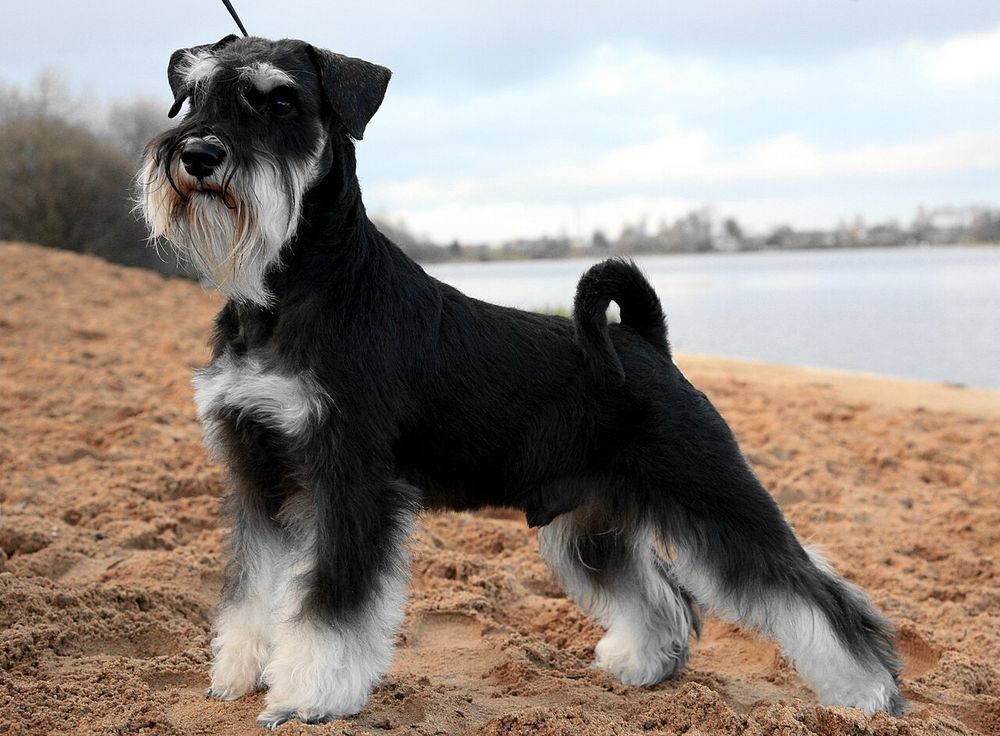
- Origin
- Germany (the Frankfurt am Main area)Fédération Cynologique Internationale
- Adult weight
- 4 to 8 kg (approximately, dogs and bitches (FCI); UK pet Miniature Schnauzers averaged 9.9 kg in a VetCompass study, and AKC gives 11 to 20 pounds)Fédération Cynologique Internationale
- Height
- 30 to 35 cm (dogs and bitches; AKC gives 12 to 14 inches)Fédération Cynologique Internationale
- Lifespan
- 12 to 15 yearsAmerican Kennel Club
- Coat
- Wiry, harsh top coat over a dense undercoat, with a beard and bushy eyebrows; in pepper and salt, black, black and silver or white. Sheds very little but needs clipping or hand-stripping every few weeks.Fédération Cynologique Internationale
- Energy
- ModerateAmerican Kennel Club
- Indian heat
- Copes with carePDSA
- Flats
- Suits a flatThe Royal Kennel Club
Miniature Schnauzer snapshot for a sitter
| What | The rule | Source |
|---|---|---|
| Size | Small. The FCI standard gives 30 to 35 cm at the shoulder and about 4 to 8 kg; AKC gives 12 to 14 inches. | Fédération Cynologique Internationale |
| Exercise need | Up to 1 hour a day, says The Royal Kennel Club, which also lists a flat or apartment as a suitable home. | The Royal Kennel Club |
| Barking | AKC scores the breed 5 of 5 for barking level and 4 of 5 for watchdog nature. Expect it to announce the doorbell, the lift and the delivery boy. | American Kennel Club |
| Coat and shedding | A wiry top coat over a dense undercoat (FCI). The Royal Kennel Club says it does not shed, but grooming is needed more than once a week. | The Royal Kennel Club |
| Diet sensitivity | Predisposed to high blood fats (hyperlipidaemia) and pancreatitis; a high-fat diet and being overweight can trigger acute pancreatitis. | Science for Animal Welfare (formerly UFAW) |
| Life expectancy | Median longevity was 11.6 years in a UK study of 3,857 Miniature Schnauzers; AKC gives 12 to 15 years. | Canine Genetics and Epidemiology (2019), RVC VetCompassstudy |
Where does the Miniature Schnauzer come from?
The Miniature Schnauzer is a German farm dog shrunk to ratter size. The Royal Kennel Club says the original Schnauzer has been known in Germany since at least the 14th century, and AKC calls the Standard Schnauzer one of Europe's great all-round farm dogs. German farmers bred it down in size to work as fearless barnyard ratters, AKC says, and the Royal Kennel Club credits the reduction in size to Affenpinscher blood; AKC names the Standard Schnauzer, the Affenpinscher and the Poodle as its ingredients.
The FCI standard places the first dwarf Schnauzer in the Frankfurt am Main area around the turn of the 20th century, still described then as a rough-haired Zwergpinscher, and says it was no easy task to breed a small dog with the look and character of the bigger Schnauzer out of a muddle of sizes and coat types. The Royal Kennel Club says the miniature was first officially recorded in 1888.
AKC recognised the breed in 1926 and, because of its ratting past, places it in its Terrier Group, though it has no British terrier blood. Its ratting days are mostly over: the FCI standard describes an alert, fearless watch and companion dog that can live in a small apartment without problems.
How did the Miniature Schnauzer come to India?
The sources we checked do not document how or when the Miniature Schnauzer came to India, and we found no account from the Kennel Club of India or an Indian breed club, so we do not give a date. It is not among the nine breeds named in Ahmedabad's 2026 pet registration figures, which were led by the Labrador, German Shepherd and Shih Tzu.
Two things matter most in an Indian home. The breed is prone to pancreatitis, and PDSA names high-fat foods such as cheese and butter as a trigger, which in an Indian kitchen means ghee, paneer, butter and fried snacks. And the double coat needs regular clipping: PDSA lists thick-coated dogs among those most at risk of heatstroke and advises walks in the early morning and evening.
What care does a Miniature Schnauzer need?
The three things that shape a good day for this breed.
Exercise
Up to an hour a day, says the Royal Kennel Club. AKC gives it a medium energy level and says it adapts to city life, but warns of a strong prey drive: keep it on the lead outside a fenced area. In Indian summers walk in the early morning and after sunset. The Royal Kennel Club
Grooming
AKC says the wiry double coat needs frequent brushing and combing, a professional clip every five to eight weeks for most pet dogs, a bath about once a month, nails trimmed monthly and ears checked weekly. The Royal Kennel Club rates grooming at more than once a week. American Kennel Club
Training
AKC describes Miniature Schnauzers as friendly, lively and eager to please, quick to learn but easily bored by repetition, so keep training fun and varied, and start socialisation and puppy classes early. PDSA
How much should a Miniature Schnauzer eat?
Daily calories for a healthy, neutered adult Miniature Schnauzer, worked out from its weight with the formula vets use (70 x weight in kg to the power 0.75, then AAHA's factor for a neutered adult). Divide by the kcal per kg on your food's pack for grams a day, and adjust by body shape.
| Resting need (kcal a day) | Neutered adult (kcal a day) | |
|---|---|---|
| 4 kg AAHA (American Animal Hospital Association) | 200 | 280 to 320 |
| 6 kg | 270 | 380 to 430 |
| 8 kg | 330 | 470 to 530 |
Feed a complete and balanced dog food made for the dog's life stage, as WSAVA and AKC advise; a home-cooked diet is only adequate when it is complete and balanced, which WSAVA says means a recipe formulated by a veterinarian specialised in nutrition and regular vet checks. Fat is the breed's special concern: Science for Animal Welfare says Miniature Schnauzers are predisposed to high blood fats and pancreatitis, and that a high-fat diet and being overweight can trigger it. Keep the dog slim, too: 8.3% of UK Miniature Schnauzers were recorded as overweight or obese. WSAVA says treats should stay under about 10% of the day's calories. The energy table on this page gives the daily calories; ask your vet to check the amount against your dog's body condition, and about a low-fat diet if your dog has had pancreatitis. Keep table food off the plate: ghee on the roti, paneer, butter, fried snacks and rich gravies are all high in fat, the kind of food PDSA warns can bring on pancreatitis. ASPCA also lists onions and garlic, grapes and raisins, chocolate, xylitol, salty snacks and milk among the foods to avoid. Because the breed can form calcium oxalate bladder stones, ask your vet before any diet change, and keep fresh water in reach at all times, as AKC advises. Meals a day: puppy, from weaning to about 6 months, 3 to 4 a day; 6 to 12 months, Fewer as it grows, down to 2 a day; adult, 2 a day. Puppies, kittens, working, pregnant and older animals need different amounts: ask your vet, or use Petym's food calculator.
Which illnesses is the Miniature Schnauzer prone to, and how are they treated?
The conditions veterinary studies and breed surveys most often report in the Miniature Schnauzer. Knowing the early signs means a vet sees it sooner.
See your vet first. This is general information from veterinary sources, not a diagnosis. Only a vet who has examined your pet can say what is wrong and prescribe treatment, and this page never gives a dose. Do not give your pet human medicine. If your pet seems very unwell, go to a 24-hour vet: find one in your city.
Pancreatitis and high blood fats (hyperlipidaemia)
See a vet soonThe pancreas becomes inflamed when its digestive enzymes activate inside it. Science for Animal Welfare says Miniature Schnauzers have the highest prevalence of any breed, with a lifetime risk of perhaps 5%, and are also prone to high blood fats; a high-fat meal or being overweight can set it off. Science for Animal Welfare (formerly UFAW)
Signs to watch for
- Vomiting
- Eating less or not at all
- A painful belly: stretching into a "prayer" position
- Diarrhoea, weakness or fever
How a vet treats it
After a full examination, PDSA says, a vet may run blood tests, X-rays and an ultrasound scan. Treatment involves nursing, pain relief, anti-sickness medication and sometimes a drip, then small, low-fat meals; dogs that have had it may need a prescription low-fat diet from the vet. Science for Animal Welfare notes that chronic pancreatitis can follow and can lead to diabetes.
Prevention
Avoid high-fat foods and treats (PDSA names pork, cheese and butter) and keep the dog slim.
Diabetes mellitus
See a vet soonThe body cannot control blood sugar, usually because it makes too little insulin. Science for Animal Welfare lists the Miniature Schnauzer among the predisposed breeds; it most often starts in middle-aged or older dogs. Science for Animal Welfare (formerly UFAW)
Signs to watch for
- Drinking and urinating much more
- Weight loss despite a bigger appetite
- Tiredness
- Cloudy eyes from diabetic cataracts
- Vomiting and dehydration, signs of the dangerous complication ketoacidosis
How a vet treats it
A vet confirms it with tests. Science for Animal Welfare says most diabetic dogs need insulin injections, often for life, with regular, controlled meals and sometimes specially formulated high-fibre food. Ketoacidosis is life-threatening and needs emergency treatment.
Calcium oxalate bladder stones
See a vet soonMineral stones form in the bladder and can irritate it or block the urethra. Science for Animal Welfare lists the breed as predisposed; older dogs are affected more, and stones come back in 50 to 60% of dogs within three years. Science for Animal Welfare (formerly UFAW)
Signs to watch for
- Straining and trying to pee often while passing little
- Crying out or showing pain when peeing
- Blood in the urine or repeated urine infections
How a vet treats it
A vet finds stones with an X-ray or ultrasound scan, and Science for Animal Welfare recommends analysing them to see which minerals they contain. It says treatment depends on where the stones are and what they are made of, and may include dietary and medical management (such as treating urine infections) or surgery to remove them. A dog straining with no urine coming out may be blocked, which is an emergency.
Prevention
Dietary management guided by the vet may reduce the risk of new stones, and Science for Animal Welfare notes that overweight dogs had twice the risk of ideal-weight dogs, so keep your dog slim.
Hereditary cataract
See a vet soonThe lens of the eye turns cloudy, blurring sight and eventually causing blindness. Science for Animal Welfare says it is inherited in the breed and can be seen in Miniature Schnauzers as early as 8 weeks of age. Science for Animal Welfare (formerly UFAW)
Signs to watch for
- A cloudy or bluish-grey look to one or both eyes
- Blurred sight, and blindness once the whole lens is cloudy
- A red, sore eye if inflammation (uveitis) follows
How a vet treats it
A vet confirms it on an eye examination and tells it apart from normal age-related lens changes. Science for Animal Welfare says cataracts can be treated with surgery, and early diagnosis and treatment are recommended.
Prevention
The Royal Kennel Club lists eye testing under the BVA/KC/ISDS scheme, including litter screening, for the breed. Ask a breeder for the parents' results.
Periodontal (gum) disease
Ask at a routine checkPlaque and tartar infect the gums and the tissue holding the teeth. It was the most common problem in a UK study of 3,857 Miniature Schnauzers, recorded in 17.4%. Canine Genetics and Epidemiology (2019), RVC VetCompassstudy
Signs to watch for
- Bad breath
- Yellow or brown tartar on the teeth
- Red, swollen or bleeding gums
- Loose or missing teeth
How a vet treats it
A vet examines the mouth, probes the gums and takes dental X-rays. Merck says treatment includes professional dental cleaning and cleaning of the root surfaces and gum pockets.
Prevention
Brushing with a dog toothpaste, which Merck says removes plaque and AKC advises doing frequently.
Does a Miniature Schnauzer cope with a sitter in a flat?
Usually yes. Size, temperament and a calm house manner suit apartment life; barking is the thing to plan for.
The FCI breed standard describes intelligence, fearlessness, endurance and alertness, and calls the Miniature Schnauzer an agreeable house dog as well as a watch and companion dog that can be kept even in a small apartment without problems. AKC rates it 5 of 5 for affection with family and for trainability, and adds that its greatest joy is doing things with its people. That makes it a good candidate for a home sitter: a familiar flat, one new person, and the same daily rhythm.
The catch is the voice. AKC scores the breed at the top of its scale for barking, and a watchful little dog in a housing society has a lot to report: the lift, the corridor, the milkman at six in the morning. Tell the sitter what sets your dog off and what settles it, whether that is a closed curtain over the balcony door, a chew at the time the courier usually comes, or a short game before you would normally leave. PDSA lists barking among the signs of distress when a dog is left alone, and advises no more than 4 hours alone at a time, so plan a long day with company or a midday walk.
What vets most often treat in Miniature Schnauzers
The most common problems recorded in 3,857 UK Miniature Schnauzers under primary vet care, from the RVC VetCompass study published in 2019.
17.4 %
had periodontal (gum) disease, the most common problem Canine Genetics and Epidemiology (2019), RVC VetCompassstudy
8.3 %
were recorded as obese or overweight Canine Genetics and Epidemiology (2019), RVC VetCompassstudy
5.8 %
had anal sac impaction Canine Genetics and Epidemiology (2019), RVC VetCompassstudy
5.1 %
were seen for vomiting Canine Genetics and Epidemiology (2019), RVC VetCompassstudy
5 %
had an outer ear infection (otitis externa) Canine Genetics and Epidemiology (2019), RVC VetCompassstudy
Why a Miniature Schnauzer's food plan is strict
Rich food that most dogs shrug off can make a Schnauzer seriously ill. The sitter follows the plan to the letter.
Science for Animal Welfare says Miniature Schnauzers are predisposed to idiopathic hyperlipidaemia, meaning high levels of fat in the blood for no known reason, and that it is seen most often in middle-aged and older dogs and tends to worsen with age. The breed is also predisposed to pancreatitis, with a lifetime risk that may be about 5%, and a high-fat diet and being overweight are among the causes of acute attacks. PDSA calls pancreatitis very common in Miniature Schnauzers and names recent meals of high-fat foods such as pork, cheese and butter as a risk.
In an Indian home that means ghee on the roti, paneer, butter chicken gravy, fried pakoras, biryani with its layer of oil, and the box of mithai that arrives at Diwali. None of it goes in the bowl or on the floor, however hard the dog begs, and guests and household staff need to know too. If your vet has put the dog on a low-fat diet, write the brand and the amount clearly, keep enough food for the whole stay plus a few days, and ask the sitter not to switch it: PDSA warns that a sudden change of food can upset the stomach.
Feeding a Miniature Schnauzer: rules for the sitter
Do
- Weigh or measure every meal with the owner's cup, and give it at the owner's times.
- Keep treats small and low in fat, and count them in the day: WSAVA suggests treats stay under about 10% of daily calories. WSAVA
- Keep fresh water in two places, and refill it after walks and on hot afternoons. Science for Animal Welfare (formerly UFAW)
- Give tooth brushing or dental chews as the owner does: AKC says the dog's teeth should be brushed frequently. American Kennel Club
Don’t
- No ghee, butter, cheese, paneer, fried snacks, meat fat or gravy, even as a lick. PDSA
- No chocolate, grapes, raisins, onion, garlic or anything sweetened with xylitol. ASPCA Animal Poison Control
- Do not switch food brands during the stay. PDSA
- Do not leave festive sweets, dry fruit trays or the dustbin within reach.
Miniature Schnauzer health signs a sitter should report
Note the time, tell the owner, and call the vet for anything sudden or severe.
If Vomiting, not eating, a painful belly or a hunched 'prayer' stance, especially after the dog got hold of rich food.
Call the vet the same day. PDSA warns that pancreatitis can cause severe illness and even death if left untreated. PDSA
If Straining to pass urine, passing small amounts often, or blood in the urine. The breed has a greater risk of calcium oxalate stones, and stones can block the urethra.
Call the vet promptly; a dog that cannot pass urine at all is an emergency. Science for Animal Welfare (formerly UFAW)
If Drinking and urinating much more than usual, with weight loss.
These are the most common signs of diabetes mellitus, to which the breed is at increased risk. Tell the owner and book a vet visit. Science for Animal Welfare (formerly UFAW)
If A cloudy or bluish-grey look in one or both eyes, or bumping into furniture.
Cataracts are inherited in the breed and can lead to painful complications. Not usually an emergency, but the vet should see it. Science for Animal Welfare (formerly UFAW)
If Scooting on the floor, head shaking or a smelly ear.
Anal sac impaction and ear infection are both among the breed's common problems. Note it and tell the owner. Canine Genetics and Epidemiology (2019), RVC VetCompassstudy
If Heavy panting, drooling or wobbliness after a walk on a hot day.
Shade, cool water poured over the body, a fan, then call the vet. PDSA
A Schnauzer's coat through a long stay
AKC's grooming rhythm, mapped onto a sitter's weeks. If the dog is due a clip while you are away, book the groomer before you go.
Every day or two
Brush and comb the beard, eyebrows and leg furnishings, where food, mud and burrs collect. Wipe the beard after meals in the monsoon so it does not stay damp. American Kennel Club
Every week
Check the ears for debris or wax and clean only as the owner or vet has shown. Look between the toes and under the beard for ticks. American Kennel Club
About once a month
A bath, or as the dog's surroundings require, and a nail trim. American Kennel Club
Every five to eight weeks
A clip by a professional groomer, which most pet owners choose instead of hand-stripping. Before an Indian summer, a shorter clip is easier to keep clean, but not a shave down to the skin. American Kennel Club
Heat, monsoon and festivals with a Miniature Schnauzer
In the large UK heatstroke study, Miniature Schnauzers did not have significantly higher odds of heat-related illness than Labradors. The same study found that dogs at or above their breed's average weight had higher odds, which matters for a breed in which 8.3% of dogs were recorded as overweight. So the advice is ordinary but firm: walks before the sun is high and after it sets, water carried, the road tested with your palm, and on the worst May afternoons a sniffing game indoors instead of a walk.
The calcium oxalate risk adds a second reason for water. Science for Animal Welfare notes that the breed produces a small volume of concentrated urine and urinates less often, and that water intake and how often a dog urinates affect stone formation. A dog in a flat with a busy sitter should get regular toilet breaks, not just two quick trips down the lift. In the monsoon, the furnishings on the legs hold water and mud; dry them after every walk to keep the skin underneath healthy, and check for ticks, which a survey of dogs in four Indian cities found on more than half. At Diwali, keep the dog indoors with windows shut and a radio on.
Miniature Schnauzer handover list
- The exact food, the daily amount and the treats allowed, written down, with a clear 'no fatty food' note for everyone in the house.
- Any vet-prescribed low-fat or urinary diet, with enough packs for the stay.
- Water bowl places, and how many toilet breaks the dog has on a normal day.
- Barking triggers and what calms the dog: curtains, a chew, a radio.
- Grooming tools, the groomer's number and the date of the next clip.
- Leash and harness: AKC says the breed has a strong prey drive and should never be off leash outside a fenced area. American Kennel Club
- Tick prevention product and the next due date.
- Your vet's number and the nearest 24-hour vet on Petym's list for your city.
Which Petym service suits a Miniature Schnauzer?
A small, home-loving dog with a strict diet does best where one person controls every meal.
Often the best fit
Overnight pet sitting
The sitter stays in your home, keeps the food plan exactly, and the dog keeps its own flat, bed and routine.
Pet boarding
Your dog stays in a sitter's home within its pet limit, after a free meet and greet. Pack every meal, measured.
Dog walking
A midday walk and toilet break on long workdays, which also helps the bladder.
Special-needs pet care
For a Schnauzer with diabetes or on a prescription diet, with medicines given and logged as written.
Breeds with similar care needs to the Miniature Schnauzer
Going away soon? Tell us your dates.
A checked local sitter feeds, walks and keeps your pet company at home, follows your care sheet to the letter and sends a photo every day. Petym is opening city by city: send your dates and we will tell you when a sitter can take them.
- Meet your sitter first, free
- PAN-checked, first-aid trained
- A photo every day
- Pay through Petym, never cash


Questions owners ask
Is a Miniature Schnauzer good for a flat in India?
- Yes, for most families. The FCI standard says the breed can be kept even in a small apartment, and The Royal Kennel Club lists a flat as suitable. Plan for up to an hour of exercise a day in the cool hours, and for barking: AKC scores the breed 5 of 5 for it.
Why can't my Miniature Schnauzer eat ghee or paneer?
- Miniature Schnauzers are predisposed to high blood fats and pancreatitis, and a high-fat diet is one known trigger. PDSA names high-fat foods such as cheese and butter as a risk. Rich Indian foods like ghee, paneer, fried snacks and gravies are best kept out of the bowl entirely. Ask your vet about a suitable diet.
How long can a Miniature Schnauzer be left alone?
- PDSA's general advice for dogs is no more than 4 hours at a time. Schnauzers are affectionate and watchful, and a dog left alone in a flat may bark at every sound in the corridor. On long days, arrange a midday walk, a drop-in or a home sitter.
How often does a Miniature Schnauzer need grooming?
- AKC says the wiry double coat needs frequent brushing and combing, a clip by a groomer every five to eight weeks, a bath about once a month and a monthly nail trim. The beard and leg hair need daily attention in the monsoon, when they stay damp and collect mud.
Should I shave my Miniature Schnauzer for the Indian summer?
- A shorter clip makes the coat easier to keep clean in the heat, but ask your groomer to leave some coat: the Canadian Kennel Club warns that shaving a double coat exposes the skin to UV rays. Cooling comes mainly from shade, water and walking in the early morning and after sunset, not from removing the coat.
What are the signs of pancreatitis in a Miniature Schnauzer?
- PDSA lists vomiting, reduced appetite, diarrhoea and a painful belly, sometimes shown as a 'prayer' stance with the front end down. Signs often start suddenly. Call your vet promptly, especially if the dog has eaten something fatty or has had pancreatitis before.
Why does my Schnauzer need so much water?
- The breed has a greater risk of calcium oxalate bladder stones, and Science for Animal Welfare notes that Schnauzers tend to produce small amounts of concentrated urine and urinate less often. Plenty of fresh water and regular toilet breaks help. Your vet may also recommend a diet for dogs with a history of stones.
How long do Miniature Schnauzers live?
- A UK study of 3,857 Miniature Schnauzers under vet care found a median longevity of 11.6 years, and AKC gives a life expectancy of 12 to 15 years. Good weight control, dental care and regular vet check-ups help a dog reach the upper end.
Keep reading
- Dog care hub
- Foods toxic to dogsAn Indian kitchen list.
- Indian foods dogs can eat
- Overnight pet sitting
- What to leave for your pet sitter
- Diwali, fireworks and pets
- Poodle careAnother low-shedding breed that needs regular clipping.
Services that help
Free tools for this
Words on this page, explained
Keep exploring
Other dog breeds
- Akita
- Alaskan Malamute
- American Bully
- American Cocker Spaniel
- American Pit Bull Terrier
- Australian Shepherd
- Bakharwal dog
- Basset Hound
- Beagle
- Belgian Malinois
- Bernese Mountain Dog
- Bichon Frise
- Border Collie
- Boston Terrier
- Boxer
- Bull Terrier
- Bulldog
- Bullmastiff
- Cane Corso
- Caucasian Shepherd Dog
- Cavalier King Charles Spaniel
- Chihuahua
- Chippiparai
- Chow Chow
- Cocker Spaniel
- Dachshund
- Dalmatian
- Dobermann
- Dogo Argentino
- English Mastiff
- English Springer Spaniel
- French Bulldog
- Gaddi Kutta (Gaddi dog)
- German Shepherd
- Golden Retriever
- Great Dane
- Greyhound
- Havanese
- Indian pariah dog (Indie)
- Indian Spitz
- Irish Setter
- Jack Russell Terrier
- Kangal
- Kanni
- Kombai
- Labrador Retriever
- Lhasa Apso
- Maltese
- Miniature Pinscher
- Mudhol Hound
- Neapolitan Mastiff
- Newfoundland
- Papillon
- Pekingese
- Pembroke Welsh Corgi
- Pomeranian
- Poodle
- Pug
- Rajapalayam
- Rampur Greyhound
- Rhodesian Ridgeback
- Rottweiler
- Saint Bernard
- Samoyed
- Shar Pei
- Shiba Inu
- Shih Tzu
- Siberian Husky
- Tibetan Mastiff
- Weimaraner
- West Highland White Terrier
- Whippet
- Yorkshire Terrier
Sources
Each source was opened and read on the date shown. How Petym checks its sources
- Fédération Cynologique Internationale: FCI-Standard No 183: Miniature Schnauzer (Zwergschnauzer) (opens in a new tab)
- American Kennel Club: Miniature Schnauzer dog breed information (opens in a new tab)
- PDSA: Heatstroke in dogs (opens in a new tab)
- The Royal Kennel Club: Miniature Schnauzer: breed information (opens in a new tab)
- PDSA: Pancreatitis in dogs (opens in a new tab)
- Science for Animal Welfare (formerly UFAW): Miniature Schnauzer: pancreatitis and hyperlipidaemia (opens in a new tab)
Show all 23 sourcesShow fewer
- WSAVA: Frequently asked questions and myths (Global Nutrition Committee) (opens in a new tab)
- Science for Animal Welfare (formerly UFAW): Miniature Schnauzer: calcium oxalate urolithiasis (opens in a new tab)
- ASPCA Animal Poison Control: People foods to avoid feeding your pets (opens in a new tab)
- VCA Animal Hospitals: Feeding times and frequency for your dog (opens in a new tab)
- Merck Veterinary Manual: Puppy care (opens in a new tab)
- AAHA (American Animal Hospital Association): 2021 AAHA Nutrition and Weight Management Guidelines for Dogs and Cats: energy requirement calculations (Box 1, PDF) (opens in a new tab)
- Merck Veterinary Manual: Nutritional requirements of small animals (full review November 2023, updated September 2024) (opens in a new tab)
- Science for Animal Welfare (formerly UFAW): Miniature Schnauzer: diabetes mellitus (opens in a new tab)
- Science for Animal Welfare (formerly UFAW): Miniature Schnauzer: hereditary cataract (opens in a new tab)
- Merck Veterinary Manual: Periodontal disease in small animals (full review February 2024, updated April 2025) (opens in a new tab)
- PDSA: Separation anxiety in dogs (opens in a new tab)
- PDSA: Diarrhoea after a change of food (opens in a new tab)
- Canadian Kennel Club (The Dish, June 2018): To shave or not to shave, that is the question! (opens in a new tab)
- Canine Genetics and Epidemiology (2019), RVC VetCompass: Miniature Schnauzers under primary veterinary care in the UK in 2013: demography, mortality and disorders (opens in a new tab)
- Scientific Reports (2020): Incidence and risk factors for heat-related illness in UK dogs (opens in a new tab)
- Parasites & Vectors (2011): A survey of canine tick-borne diseases in India (opens in a new tab)
- Telangana Today (IANS): Ahmedabad registers nearly 20,000 pet dogs; Labradors remain the city's most popular breed (5 Aug 2026) (opens in a new tab)