Golden Retriever care in India: heat, coat and alone time
Updated By PetymFacts checked against official sources on
Quick answer
A Golden Retriever usually settles well with a kind sitter, but heat is the real risk. In a large UK study Goldens had 2.65 times the odds of heat-related illness of Labradors, with their thicker coat a likely reason. A sitter must walk them only in the cool hours, brush the coat often and never shave it.
Goldens are among the most registered breeds in Ahmedabad, the one Indian city with published breed figures (1,416 of 19,756 dogs, as reported in August 2026). They are bred to work with people, so long days alone are hard on them too.
- Meet your sitter first, free
- PAN-checked, first-aid trained
- A photo every day
- Pay through Petym, never cash

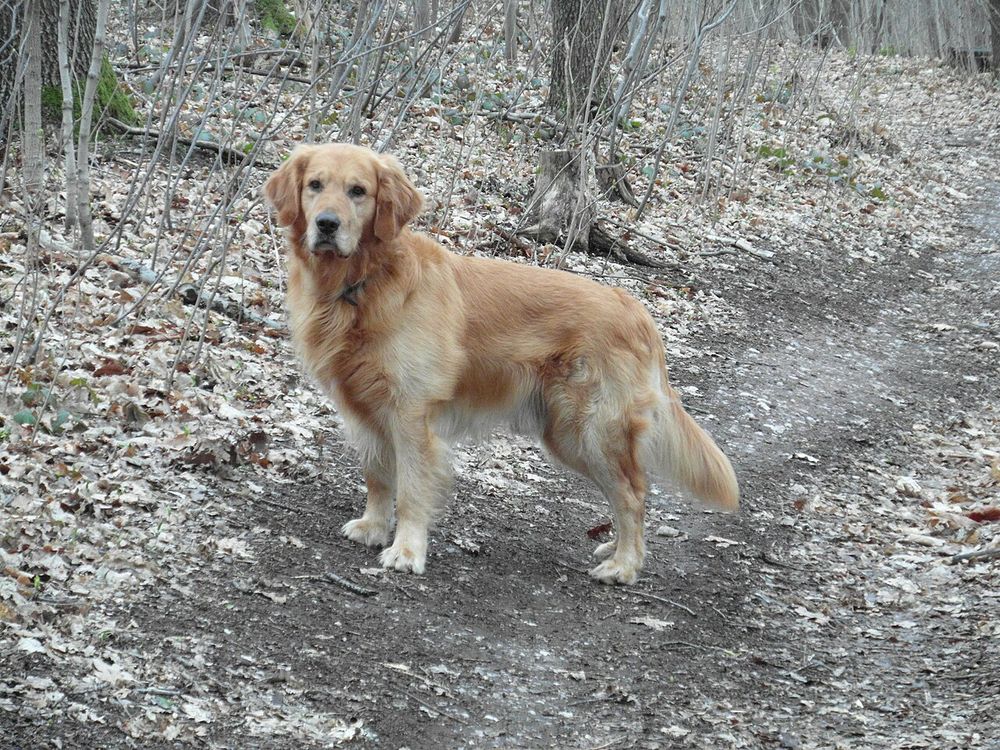
- Origin
- Scotland (Great Britain)American Kennel Club
- Adult weight
- 25 to 34 kg (AKC: 65 to 75 lb for males, 55 to 65 lb for females, converted to kg)American Kennel Club
- Height
- 51 to 61 cm (FCI standard: males 56 to 61 cm, females 51 to 56 cm)Fédération Cynologique Internationale
- Lifespan
- 10 to 12 yearsAmerican Kennel Club
- Coat
- Flat or wavy outer coat with good feathering over a dense, water-resisting undercoat, in any shade of gold or cream.Fédération Cynologique Internationale
- Energy
- HighThe Royal Kennel Club
- Indian heat
- Struggles in heatScientific Reports (2020)study
- Flats
- A flat, with daily exerciseThe Royal Kennel Club
Golden Retriever snapshot
| What | The rule | Source |
|---|---|---|
| Size | Large. AKC gives a height of 23 to 24 inches for males and 21.5 to 22.5 inches for females. | American Kennel Club |
| Exercise need | More than 2 hours a day, says The Royal Kennel Club. | The Royal Kennel Club |
| Alone-time tolerance | Not scored by kennel clubs. The FCI standard calls the breed biddable, kindly and friendly: a dog that wants company. PDSA's general limit is 4 hours alone. | Fédération Cynologique Internationale |
| Heat tolerance | Low for its size. 2.65 times the odds of heat-related illness of the Labrador in a UK study of 905,543 dogs. | Scientific Reports (2020)study |
| Coat and shedding | Medium-length coat that sheds; groom more than once a week. | The Royal Kennel Club |
| With other dogs | AKC rates it at the top of its scale (5 of 5) for getting on with other dogs. | American Kennel Club |
Where does the Golden Retriever come from?
The Golden Retriever was developed in the Scottish Highlands in the reign of Queen Victoria by Dudley Marjoribanks, the first Lord Tweedmouth, on his Guisachan estate in Inverness-shire. He wanted a gundog suited to the area's rainy climate and rugged ground, and the estate's gamekeepers kept breeding records from about 1835 to 1890.
Tweedmouth crossed his yellow retriever with the Tweed Water Spaniel, a breed now extinct, and later added Irish Setter and Bloodhound. The Royal Kennel Club says he crossed black Wavy Coated Retrievers with a Tweed Water Spaniel to get the first yellow dogs. The result was a retriever built to fetch shot waterfowl for hours, which is why the breed still loves water and carrying things in its mouth.
The breed was first shown in Britain in 1908. The Kennel Club recognised it in 1913, and the founding of the Golden Retriever Club in 1920 fixed its name. Today Goldens work as gundogs, guide dogs for blind people and search and rescue dogs, as well as family companions.
How did the Golden Retriever come to India?
No source we found records when or how the first Golden Retrievers reached India. What is documented is how common the breed is now: in Ahmedabad's municipal pet register, 1,416 of the nearly 20,000 dogs registered by August 2026 were Golden Retrievers, the fourth most registered breed after Labradors, German Shepherds and Shih Tzus.
Life in India is harder on a Golden than its looks suggest. In a UK study of more than 900,000 dogs, Golden Retrievers had 2.65 times the odds of heat-related illness of Labradors, and the thick double coat that suits Scottish rain holds heat and monsoon damp. In Indian cities a Golden does well with walks at dawn and after dark, a cool room in the hot hours and a coat that is brushed, not shaved.
What care does a Golden Retriever need?
The three things that shape a good day for this breed.
Exercise
The Royal Kennel Club gives more than two hours a day. AKC says a Golden that does not get enough exercise is likely to behave badly; ask your vet before strenuous running with a young dog, and in Indian summers keep most of the exercise to the cool hours. The Royal Kennel Club
Grooming
AKC advises a slicker brush once or twice a week, daily during the heavy moult once or twice a year. Dry the coat fully before brushing after a bath, check the ears weekly and brush the teeth often. American Kennel Club
Training
AKC calls Goldens outgoing, loyal and eager to please, which makes them easy to train. Start socialising the puppy gently with people, places and situations between seven weeks and four months, and join puppy classes. The Royal Kennel Club
How much should a Golden Retriever eat?
Daily calories for a healthy, neutered adult Golden Retriever, worked out from its weight with the formula vets use (70 x weight in kg to the power 0.75, then AAHA's factor for a neutered adult). Divide by the kcal per kg on your food's pack for grams a day, and adjust by body shape.
| Resting need (kcal a day) | Neutered adult (kcal a day) | |
|---|---|---|
| 25 kg AAHA (American Animal Hospital Association) | 780 | 1100 to 1250 |
| 29.5 kg | 890 | 1240 to 1420 |
| 34 kg | 990 | 1380 to 1580 |
Feed a complete and balanced food made for the dog's life stage (puppy, adult or senior). AKC warns that some Goldens become overweight, so watch calories and weight and keep treats moderate. A Golden puppy grows into a large dog, so ask your vet whether a food labelled for the growth of large-size dogs (those 32 kg or more as adults) suits yours. Keep Indian kitchen foods that harm dogs off the plate: onion and garlic (in most dals and curries), grapes and raisins (in kheer and sweets), chocolate, anything sweetened with xylitol, salty snacks and cooked bones. Milk can upset the stomach. Use the energy table below as a starting point and ask your vet to check your dog's weight. Meals a day: 6 to 12 weeks, 4 a day; 3 to 6 months, 3 a day; 6 to 12 months, 2 a day; adult, 1 or 2 a day. Puppies, kittens, working, pregnant and older animals need different amounts: ask your vet, or use Petym's food calculator.
Which illnesses is the Golden Retriever prone to, and how are they treated?
The conditions veterinary studies and breed surveys most often report in the Golden Retriever. Knowing the early signs means a vet sees it sooner.
See your vet first. This is general information from veterinary sources, not a diagnosis. Only a vet who has examined your pet can say what is wrong and prescribe treatment, and this page never gives a dose. Do not give your pet human medicine. If your pet seems very unwell, go to a 24-hour vet: find one in your city.
Hip and elbow dysplasia
See a vet soonAbnormal development of the hip or elbow joint that leaves it loose and leads to arthritis. Both are on the Golden's list of genetic welfare problems, and the Royal Kennel Club asks breeders to screen hips and elbows. Merck Veterinary Manual
Signs to watch for
- Lameness that is worse after exercise
- A bunny-hopping gait
- Stiffness after rest
- Reluctance to climb stairs or jump
How a vet treats it
A vet confirms it with X-rays. Treatment without surgery includes weight reduction, limiting exercise on hard surfaces, physiotherapy and anti-inflammatory drugs prescribed by the vet; surgery to reduce pain and arthritis, up to total hip replacement, is an option for some dogs.
Prevention
Buy from parents screened for hips and elbows, and keep your dog slim.
Canine atopic dermatitis (skin allergy)
See a vet soonAn inherited, itchy allergic skin disease, usually a reaction to house dust mites and pollens. Science for Animal Welfare says Golden Retrievers appear in most lists of predisposed breeds. Science for Animal Welfare (formerly UFAW)
Signs to watch for
- Itching, licking and chewing at the paws
- Red skin on the belly, inner legs, face or under the tail
- Hair loss, greasy or scaly coat
- Repeated ear inflammation with head shaking
How a vet treats it
There is no single test; a vet rules out mites, fleas, infections and food allergy, often with a food trial. Treatment is usually lifelong control rather than cure: a vet may prescribe corticosteroids or ciclosporin, medicated shampooing, and treatment for any secondary infection.
Prevention
No genetic test exists. Keep up flea control, since fleas make signs worse.
Hypothyroidism
See a vet soonLow thyroid hormone levels causing slow, long-term problems. Science for Animal Welfare says it affects up to 25% of Golden Retrievers, with a lifetime risk of about 1 in 4 in a US breed club survey. Science for Animal Welfare (formerly UFAW)
Signs to watch for
- Tiredness and reluctance to exercise
- Weight gain without eating more
- Hair loss and scaly skin
- Slow-healing wounds
How a vet treats it
A vet diagnoses it with blood tests, often T4 and TSH measured together. It is usually managed with thyroid hormone supplements by mouth, given for life; there is no cure.
Ear infections (otitis externa)
See a vet soonInflammation of the outer ear canal, often driven by allergies, yeast or bacteria. In Goldens, ear inflammation is a common part of atopic dermatitis. Merck Veterinary Manual
Signs to watch for
- Head shaking or scratching at the ears
- A bad smell or discharge
- Red, swollen ear canal
- Pain when the ear is touched
How a vet treats it
A vet looks into the canal with an otoscope and samples the discharge. Treatment may include ear drops combining antibiotics, antifungals and anti-inflammatories, and medicines by mouth or injection for severe or long-standing cases. Every cause must be treated or it returns.
Prevention
Check the ears regularly, keep them dry after swims and monsoon walks, and clean them only as your vet directs. Avoid home remedies such as vinegar mixes.
Heatstroke
Emergency: go to a vet nowA dangerous rise in body temperature, most often after exercise in the heat. Golden Retrievers had 2.65 times the odds of heat-related illness of Labradors in UK vet records, and PDSA lists long-haired dogs among those most at risk. Scientific Reports (2020)study
Signs to watch for
- Heavy panting that does not settle
- Drooling, vomiting or diarrhoea
- Weakness, wobbling or collapse
- Confusion or seizures in severe cases
How a vet treats it
Start cooling at once: shade, cool tap water poured over the body and moving air, then go to the vet. The vet cools the dog and may give a fluid drip, oxygen and medication, with blood tests and a hospital stay in severe cases.
Prevention
Walk at dawn and after dark, carry water, keep your dog slim and never leave it in a car.
Why do Golden Retrievers struggle in Indian heat?
The coat. Goldens are similar to Labradors in size and purpose, but they overheat more easily.
A Royal Veterinary College team studied heat-related illness across 905,543 UK dogs and compared each breed with the Labrador. The Golden Retriever had 2.65 times the odds, even though the two breeds are a similar size, temperament and purpose. The authors point to the Golden's thicker coat as a likely tipping factor. If a Golden overheats in an English summer, an Indian May needs a careful plan.
The same study found that exercise, not hot cars, caused most heat-related illness, that dogs at or above their breed's average weight had higher odds, and that older dogs were at higher risk. So the three things a sitter controls are the timing of walks, the pace of play and the dog's food. The Animal Welfare Board of India asks everyone caring for animals in hot weather to provide shade all day, clean water in stable bowls, and to watch for excessive panting, lethargy, drooling, a rapid heartbeat and collapse.
Shaving, ice and other Golden coat myths
You may have read
Shaving a Golden keeps it cool in summer.
Myth
What the sources say
Texas A&M's veterinary college says a thick coat works as natural insulation that helps dogs regulate temperature, that shaving can make some dogs less tolerant of heat, and that it is not usually needed unless the coat is matted. The undercoat can also grow back first and change the coat. Texas A&M College of Veterinary Medicine (Pet Talk, 16 June 2022)
You may have read
A Golden only needs brushing when it looks messy.
Myth
What the sources say
The Royal Kennel Club advises grooming more than once a week. Brushing out loose undercoat lets air reach the skin and stops mats forming behind the ears and on the trousers. The Royal Kennel Club
You may have read
Cold water or wet towels are the fastest way to cool an overheated dog.
Myth
What the sources say
PDSA advises pouring cool water gently over the body, away from the nose and mouth, and creating a breeze. Wet towels left on the dog can trap heat. Then call the vet. PDSA
You may have read
Goldens are calm, so they are fine alone all day.
Myth
What the sources say
Calm indoors does not mean content alone. PDSA advises no more than 4 hours alone at a time, and a sitter or walker for longer. PDSA
A cool-hours day plan for a Golden
Petym’s working from the official rules, no government publishes a total.
A sample day for a sitter in the hot months. Move the times with your city's sunrise and sunset.
First light
The main walk while the road is cool: 40 to 60 minutes at an easy pace, with sniffing and a few retrieves in shade. Bring water.
Back home
Ten minutes of rest in the coolest room, then breakfast from the owner's plan.
Mid-morning
A short brushing session, five to ten minutes, working through the ears, chest and back legs. Goldens tend to enjoy it.
Midday to late afternoon
Indoors, with the fan or air conditioning the owner allows, water in two bowls and a chew or food toy. Toilet breaks only, on shaded ground.
After sunset
The second walk, once the ground passes PDSA's palm test: if you cannot hold your palm on it for 7 seconds, wait.
Night
Dinner, a last toilet trip and the daily photo update to the owner, with notes on appetite, water and toilet.
Feeding a Golden while you travel
Keep the food the same as at home, and leave enough for the whole stay plus a few spare days: a sudden change of food can bring on diarrhoea. Write the amounts in cups or grams and say which bowl. A Golden that gains weight is at higher risk in the heat, since dogs at or above their breed's average weight had higher odds of heat-related illness in the UK study.
WSAVA's nutrition committee says treats should stay under about 10% of the day's calories, and suggests low-calorie choices like apple, carrot, melon or watermelon. If your Golden eats home-cooked rice, roti, curd or chicken, write the recipe and portion so the sitter makes it the same way. Keep chocolate, grapes and raisins, onion and garlic, xylitol and salty snacks away: the ASPCA lists all of them as harmful to dogs.
Golden Retriever health issues to brief your sitter on
The sitter's role is to notice and report, then follow the vet's advice.
If Heavy panting that does not settle in the shade, thick drool, wobbliness, vomiting or collapse.
Possible heatstroke. Move the dog somewhere cool, pour cool water over the body away from the face, make a breeze and call the vet at once. PDSA
If Itching, red skin, licking paws or rubbing the face. Science for Animal Welfare lists canine atopic dermatitis among the breed's genetic welfare problems.
Note when it started and what the dog ate or walked through, tell the owner and ask the vet. Science for Animal Welfare (formerly UFAW)
If Limping, stiffness after rest, a bunny-hopping gait or reluctance to climb stairs. Hip dysplasia and elbow dysplasia are both on the breed's list.
Rest the dog, avoid hard running on roads and call the vet. Science for Animal Welfare (formerly UFAW)
If Low energy, weight gain without more food, a dull coat. Hypothyroidism is on the breed's list.
Not urgent, but tell the owner so they can raise it with the vet. Science for Animal Welfare (formerly UFAW)
If Restless, swollen belly and retching with nothing coming up, often after a big meal. Bloat (GDV) affects large, deep-chested dogs.
An emergency: go to the nearest 24-hour vet straight away. American College of Veterinary Surgeons
If Head shaking, a smell from the ears or scratching at them, often after a swim, bath or monsoon walk.
Keep the ears dry and call the vet. Clean the ears only as the vet has shown. Merck Veterinary Manual
Monsoon and ticks with a Golden's coat
A Golden's feathered coat stays damp long after a monsoon walk, and Merck's Veterinary Manual advises keeping ear canals dry and avoiding water in the ears at bath time. Towel the dog thoroughly, dry the armpits, belly and between the toes, and use a dryer on a cool setting if the dog accepts it.
The same coat hides ticks well. In a survey of 525 dogs in four Indian cities, about half carried a tick-borne infection and ticks were found on 53%. Part the coat with your fingers after every walk, checking ears, neck, armpits, between the toes and under the tail. Remove ticks with tweezers close to the skin, not with bare fingers, and tell the owner. Fever, low energy or pale gums after a tick bite need a vet.
Golden Retriever sitter checklist
- Walk times for the season and the shaded route, plus the rule: no walk if the ground fails the palm test.
- The brush and comb, how often to use them and the dog's tender spots.
- Meal amounts, times and the daily treat allowance, written down.
- Towels and a dryer for the monsoon, and where to dry the dog.
- Tick prevention: the product and when it is next due.
- Any medicines, written exactly as the vet's label says. The sitter logs each dose given.
- The vet's number and the nearest 24-hour vet on Petym's list for your city.
- Air conditioning or fan rules, and what to do in a power cut: the coolest room in the home.
Which Petym service suits your Golden?
If You are away overnight or for a week or more
Overnight pet sitting: your Golden stays in its own cool home, on its own routine, with a daily photo update. Overnight sitting
If You work long days but are home at night
Dog walking: a midday visit and walk so the dog is not alone for more than about 4 hours. Dog walking
If Your home has no reliable cooling or you are moving
Pet boarding in a sitter's home that has passed Petym's video walk-through and has the society's permission to host. Home boarding
If Your Golden is young, social and full of energy
Doggy day care on busy days, with play in the cool hours. Doggy day care
Breeds with similar care needs to the Golden Retriever
Going away soon? Tell us your dates.
A checked local sitter feeds, walks and keeps your pet company at home, follows your care sheet to the letter and sends a photo every day. Petym is opening city by city: send your dates and we will tell you when a sitter can take them.
- Meet your sitter first, free
- PAN-checked, first-aid trained
- A photo every day
- Pay through Petym, never cash


Questions owners ask
Can a Golden Retriever live in India?
- Yes, with care. Goldens are common in Indian cities, but they overheat more easily than Labradors: in a UK study they had 2.65 times the odds of heat-related illness. Walk only in the cool hours, keep a cool room at home, keep the dog lean and brush the coat often.
Should I shave my Golden Retriever in summer?
- No. Texas A&M's veterinary college explains that a thick coat works as insulation that helps a dog regulate its temperature, and that shaving can make some dogs less tolerant of heat and change how the coat grows back. Brush out loose undercoat instead, and trim only matted areas.
How long can a Golden Retriever be left alone?
- PDSA's general advice is no more than 4 hours at a time. Goldens are bred to work with people and usually want company, so for longer absences arrange a sitter or a walker. A midday visit with a short walk and a food toy makes a long working day much easier.
How often should a sitter brush a Golden Retriever?
- The Royal Kennel Club advises more than once a week, and many Goldens need a short daily brush in the shedding season or the monsoon. Work through the ears, chest, armpits and back legs, where mats start, and check for ticks while brushing.
What is the best time to walk a Golden Retriever in Indian summer?
- Early morning soon after sunrise and late evening after sunset. Exercise caused most heat-related illness in a large UK study. Use PDSA's test before walking: if you cannot hold your palm on the ground for 7 seconds, it is too hot for paws.
What health problems run in Golden Retrievers?
- Science for Animal Welfare lists canine atopic dermatitis, hip dysplasia, elbow dysplasia and hypothyroidism among the breed's genetic welfare problems. A sitter should report itching, limping, stiffness or low energy to the owner and call the vet for anything sudden or severe.
Are Golden Retrievers good with other dogs at a sitter's home?
- Generally yes: AKC rates the breed at the top of its scale for getting on with other dogs. Introductions should still be slow, and a big, bouncy Golden should be supervised with small or elderly dogs.
Keep reading
- Dog care hub
- Labrador Retriever careThe comparison breed in the heat study.
- Summer pet care in India
- Heatstroke in dogs
- Monsoon care for dogs
- Overnight pet sitting
Services that help
Free tools for this
Words on this page, explained
Keep exploring
Other dog breeds
- Akita
- Alaskan Malamute
- American Bully
- American Cocker Spaniel
- American Pit Bull Terrier
- Australian Shepherd
- Bakharwal dog
- Basset Hound
- Beagle
- Belgian Malinois
- Bernese Mountain Dog
- Bichon Frise
- Border Collie
- Boston Terrier
- Boxer
- Bull Terrier
- Bulldog
- Bullmastiff
- Cane Corso
- Caucasian Shepherd Dog
- Cavalier King Charles Spaniel
- Chihuahua
- Chippiparai
- Chow Chow
- Cocker Spaniel
- Dachshund
- Dalmatian
- Dobermann
- Dogo Argentino
- English Mastiff
- English Springer Spaniel
- French Bulldog
- Gaddi Kutta (Gaddi dog)
- German Shepherd
- Great Dane
- Greyhound
- Havanese
- Indian pariah dog (Indie)
- Indian Spitz
- Irish Setter
- Jack Russell Terrier
- Kangal
- Kanni
- Kombai
- Labrador Retriever
- Lhasa Apso
- Maltese
- Miniature Pinscher
- Miniature Schnauzer
- Mudhol Hound
- Neapolitan Mastiff
- Newfoundland
- Papillon
- Pekingese
- Pembroke Welsh Corgi
- Pomeranian
- Poodle
- Pug
- Rajapalayam
- Rampur Greyhound
- Rhodesian Ridgeback
- Rottweiler
- Saint Bernard
- Samoyed
- Shar Pei
- Shiba Inu
- Shih Tzu
- Siberian Husky
- Tibetan Mastiff
- Weimaraner
- West Highland White Terrier
- Whippet
- Yorkshire Terrier
Sources
Each source was opened and read on the date shown. How Petym checks its sources
- American Kennel Club: Golden Retriever dog breed information (opens in a new tab)
- Fédération Cynologique Internationale: FCI-Standard No 111: Golden Retriever (opens in a new tab)
- The Royal Kennel Club: Retriever (Golden): breed information (opens in a new tab)
- Merck Veterinary Manual: Dog and cat foods (full review November 2023, updated June 2025) (opens in a new tab)
- Merck Veterinary Manual: Puppy care (opens in a new tab)
- ASPCA Animal Poison Control: People foods to avoid feeding your pets (opens in a new tab)
Show all 24 sourcesShow fewer
- AAHA (American Animal Hospital Association): 2021 AAHA Nutrition and Weight Management Guidelines for Dogs and Cats: energy requirement calculations (Box 1, PDF) (opens in a new tab)
- Merck Veterinary Manual: Nutritional requirements of small animals (full review November 2023, updated September 2024) (opens in a new tab)
- Merck Veterinary Manual: Hip dysplasia (dog owners) (opens in a new tab)
- Science for Animal Welfare (formerly UFAW): Golden Retriever: genetic welfare problems (opens in a new tab)
- Science for Animal Welfare (formerly UFAW): Golden Retriever: canine atopic dermatitis (opens in a new tab)
- Science for Animal Welfare (formerly UFAW): Golden Retriever: hypothyroidism (opens in a new tab)
- Merck Veterinary Manual: Ear infections and otitis externa in dogs (opens in a new tab)
- PDSA: Heatstroke in dogs (opens in a new tab)
- Animal Welfare Board of India: Request to ensure care and protection of animals from direct heat during extreme hot weather (4 May 2026) (opens in a new tab)
- Texas A&M College of Veterinary Medicine (Pet Talk, 16 June 2022): Time for a summer cut? Tips for warm weather dog grooming (opens in a new tab)
- PDSA: Separation anxiety in dogs (opens in a new tab)
- WSAVA: Frequently asked questions and myths (Global Nutrition Committee) (opens in a new tab)
- PDSA: Diarrhoea after a change of food (opens in a new tab)
- Merck Veterinary Manual: Ticks of dogs (opens in a new tab)
- American College of Veterinary Surgeons: Gastric dilatation-volvulus (opens in a new tab)
- Scientific Reports (2020): Incidence and risk factors for heat-related illness in UK dogs (opens in a new tab)
- Parasites & Vectors (2011): A survey of canine tick-borne diseases in India (opens in a new tab)
- Telangana Today (IANS): Ahmedabad registers nearly 20,000 pet dogs; Labradors remain the city's most popular breed (5 Aug 2026) (opens in a new tab)