Shiba Inu care in India: escapes, shedding and sitters
Updated By PetymFacts checked against official sources on
Quick answer
A Shiba Inu can do well with a sitter, but it is not a dog that aims to please. AKC warns it is never reliable off the leash outside a confined area, so the sitter's first job is doors, gates and a secure harness. Then: brush through heavy moults, watch for itchy skin and keep the routine unchanged.
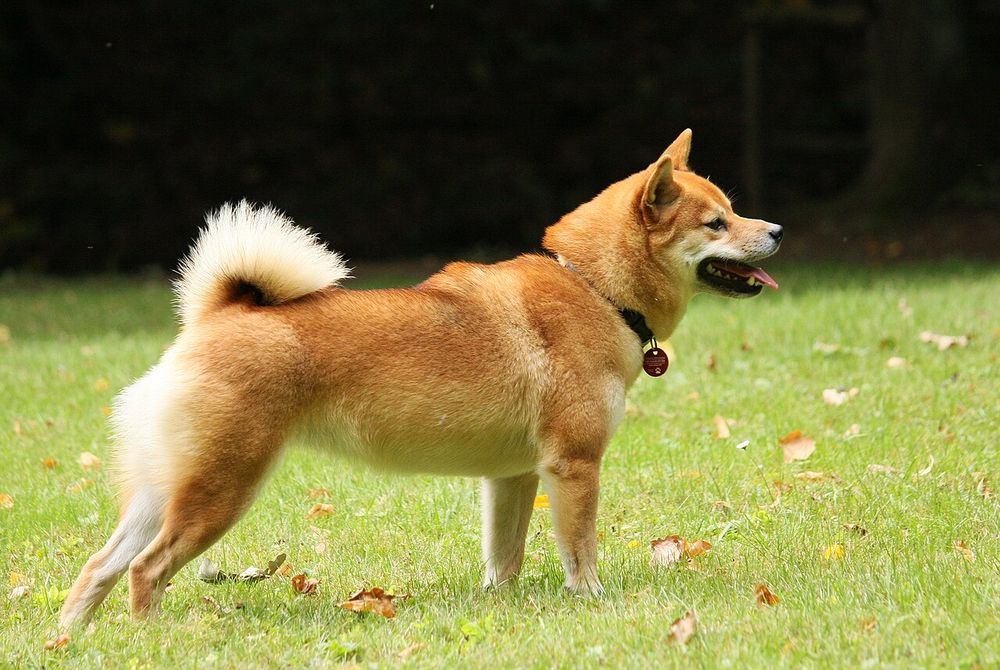
The Shiba is a small Japanese spitz with a thick double coat. In Indian heat it needs shade, water and walks only in the cool hours.
- Meet your sitter first, free
- PAN-checked, first-aid trained
- A photo every day
- Pay through Petym, never cash

- Origin
- The mountains of Japan facing the Sea of JapanFédération Cynologique Internationale
- Adult weight
- 7.7 to 10.4 kg (AKC gives about 17 lb for females and 23 lb for males, converted to kg)American Kennel Club
- Height
- 35 to 41 cm (FCI standard: males 39.5 cm, females 36.5 cm, with 1.5 cm either way)Fédération Cynologique Internationale
- Lifespan
- 13 to 16 yearsAmerican Kennel Club
- Coat
- A harsh, straight outer coat over a soft, dense undercoat. Sheds a lot, in heavy seasonal moults.Fédération Cynologique Internationale
- Energy
- ModerateThe Royal Kennel Club
- Indian heat
- Copes with careCanadian Kennel Club (The Dish, June 2018)
- Flats
- A flat, with daily exerciseAmerican Kennel Club
Shiba Inu snapshot for a sitter
| What | The rule | Source |
|---|---|---|
| Size | Small to medium, says The Royal Kennel Club. The FCI standard gives 39.5 cm at the shoulder for males and 36.5 cm for females, with 1.5 cm either way. | Fédération Cynologique Internationale |
| Exercise need | Up to 1 hour a day, says The Royal Kennel Club. AKC calls most Shibas fairly energetic dogs that love walks. | The Royal Kennel Club |
| Off-leash safety | Never reliable off the leash unless in a confined area, says AKC, and no amount of obedience training will change that. | American Kennel Club |
| Coat and shedding | A harsh, straight outer coat over a soft, dense undercoat (FCI). AKC says Shibas shed a lot, in heavy seasonal moults. | American Kennel Club |
| Trainability | AKC scores it 2 of 5, and 5 of 5 for watchdog nature. The FCI standard describes a faithful dog with keen senses and high alertness. | American Kennel Club |
| Life expectancy | 13 to 16 years, says AKC. The Royal Kennel Club gives over 10 years. | American Kennel Club |
Where does the Shiba Inu come from?
The Shiba is one of Japan's native breeds and, says AKC, the oldest and smallest of them; AKC dates it to around 300 BC. The FCI standard says the word shiba originally meant something small, and that the dogs lived in the mountains facing the Sea of Japan, where they hunted small animals and birds. AKC notes another reading: brushwood, after the mountain scrub or the dog's red colour. The Royal Kennel Club says three regions developed their own types: Mino, Sanin and Shinshu.
The breed came close to vanishing twice. When English Setters and Pointers arrived in Japan between 1868 and 1912 and hunting became a sport, crossbreeding made pure Shibas rare, says the FCI standard. Hunters began a preservation effort around 1928, a unified standard followed in 1934, and in 1937 the Shiba was designated a natural monument of Japan. AKC adds that it was nearly extinct again by the end of the Second World War.
It recovered to become the most popular companion dog in Japan, says AKC. The first documented Shiba in the United States arrived with a military family in 1954, and AKC recognised the breed in the early 1990s.
How did the Shiba Inu come to India?
No source we found documents when Shibas first came to India, and we found no Indian registration figures for the breed. A Shiba imported today comes under the 2016 foreign trade rule that allows dogs into India only as pets with a pet book, for research, or for defence and police use, not for commercial breeding.
The Shiba is not the Akita. The central government's March 2024 list of breeds, as Gurugram's 2026 order reproduces it, names the Akita but not the Shiba; that central circular was set aside by the Delhi High Court on 16 April 2024. For Indian owners the practical issues are the dense double coat in summer, which should be brushed out rather than shaved, and an escape-prone dog that must stay on a lead outside the flat.
What care does a Shiba Inu need?
The three things that shape a good day for this breed.
Exercise
Up to 1 hour a day, says The Royal Kennel Club. AKC says most Shibas are fairly energetic and love walks, and owners without a yard must be committed to exercising them. In Indian heat, walk in the cool hours. The Royal Kennel Club
Grooming
AKC says Shibas shed a lot; brushing or combing during the heavy moults cuts the hair around the home. Many object to nail trimming, so start handling young, and let a professional do it if it becomes a struggle. American Kennel Club
Training
Never reliable off the lead unless in a fenced area, says AKC, and no training will change that: an open door or gate can mean a lost dog. On the plus side, AKC says Shiba puppies are close to house-trained from a few weeks old. Some can suffer separation anxiety. The Royal Kennel Club
How much should a Shiba Inu eat?
Daily calories for a healthy, neutered adult Shiba Inu, worked out from its weight with the formula vets use (70 x weight in kg to the power 0.75, then AAHA's factor for a neutered adult). Divide by the kcal per kg on your food's pack for grams a day, and adjust by body shape.
| Resting need (kcal a day) | Neutered adult (kcal a day) | |
|---|---|---|
| 7.7 kg AAHA (American Animal Hospital Association) | 320 | 450 to 520 |
| 9.1 kg | 370 | 510 to 590 |
| 10.4 kg | 410 | 570 to 650 |
AKC advises a complete dog food suited to the dog's age, or a home-prepared diet only under your vet's supervision, and Merck notes unbalanced homemade diets are the commonest cause of nutritional problems. Some Shibas are picky and others eat anything in sight, says AKC; you should be able to feel the ribs and backbone but not see them. Treats help with training, but too many cause obesity. Keep onion, garlic, grapes, tamarind, chocolate and salty snacks out of reach, and go easy on milk and curd: ASPCA notes dairy can cause diarrhoea. If your Shiba itches constantly, ask your vet before changing foods, as a food allergy is diagnosed with a strict elimination diet trial. Meals a day: 6 to 12 weeks, 4 a day; 3 to 6 months, 3 a day; 6 to 12 months, 2 a day; adult, 2 a day. Puppies, kittens, working, pregnant and older animals need different amounts: ask your vet, or use Petym's food calculator.
Which illnesses is the Shiba Inu prone to, and how are they treated?
The conditions veterinary studies and breed surveys most often report in the Shiba Inu. Knowing the early signs means a vet sees it sooner.
See your vet first. This is general information from veterinary sources, not a diagnosis. Only a vet who has examined your pet can say what is wrong and prescribe treatment, and this page never gives a dose. Do not give your pet human medicine. If your pet seems very unwell, go to a 24-hour vet: find one in your city.
Allergies and itchy skin (atopic dermatitis)
See a vet soonAKC calls allergies the most common health condition in Shibas, usually appearing from about 6 months old. Merck says atopic dermatitis generally starts between 6 months and 3 years. American Kennel Club
Signs to watch for
- Itching, especially of the feet, face, ears, front legs and belly
- Scratching that causes wounds
- Hair loss and repeated skin or ear infections
How a vet treats it
There is no single test: a vet rules out other causes of itching and may run a strict elimination diet trial of up to 3 months to check for food allergy. Merck names controlling the itch with medication prescribed by the vet, treating skin and ear infections with antibiotics, medicated bathing, flea control and allergen immunotherapy (an allergy vaccine).
Prevention
There is no screening test, and AKC says dogs with active allergies should not be bred.
Patellar luxation
Ask at a routine checkThe kneecap slips out of its groove. AKC lists it among the Shiba's health issues, and responsible breeders screen for it. American Kennel Club
Signs to watch for
- Skipping or carrying a hind leg for a few steps
- Shaking or extending the leg before walking normally
- Lameness that becomes more frequent
How a vet treats it
A vet feels for an unstable kneecap during an orthopaedic examination and may take X-rays. ACVS says cases without signs are usually monitored; surgery to deepen the groove, move the tibial crest or rebuild the soft tissues is considered from grade 2 upwards.
Prevention
Buy from screened parents; affected dogs should not be bred from.
Hip dysplasia
Ask at a routine checkA loose hip joint that wears and becomes arthritic. AKC lists it among the Shiba's health issues; ACVS says heredity is the biggest risk factor and fast growth makes it worse. American Kennel Club
Signs to watch for
- Reluctance to rise, jump or climb
- Weight shifted onto the front legs
- Hind-leg muscle loss
How a vet treats it
A vet diagnoses it with hip X-rays and by feeling the joint under light sedation. ACVS names weight control, lead walks, anti-inflammatory drugs prescribed by the vet, omega-3 fatty acids, physical therapy and, where needed, surgery such as femoral head ostectomy or total hip replacement.
Prevention
Choose hip-screened parents and keep the dog slim.
GM1 gangliosidosis
See a vet soonA rare inherited storage disease of the nervous system, passed on when both parents carry the faulty gene. Carrier frequency in Japan averaged about 1%. Science for Animal Welfare (formerly UFAW)
Signs to watch for
- Normal until about 5 to 6 months old
- Tremors of the head and legs, then loss of balance and coordination
- Stiff gait, clouding of the eyes and weight loss, progressing to inability to walk
How a vet treats it
A vet or specialist confirms it with biochemical tests, and a blood DNA test can identify affected dogs and carriers. Science for Animal Welfare describes no treatment; the disease is progressive and usually fatal by about 15 months, so the vet will discuss humane options.
Prevention
A DNA test is available. Ask the breeder for results and never mate two carriers.
What kind of guest is a Shiba Inu?
Loyal to its own people, polite but reserved with others, and very sure of its own opinions.
The FCI standard sums up the temperament in one line: faithful, with keenness in sense and high alertness. The breed was used in the mountains of Japan to hunt birds and small animals, and it still notices everything. AKC rates it 5 of 5 for affection with its family but only 2 of 5 for trainability, which owners will recognise: a Shiba knows what you are asking and decides whether it is worth doing. A sitter who expects a Labrador's eagerness will be frustrated. A sitter who keeps things calm, quiet and predictable will usually be accepted.
Two traits matter most when you are away. The first is escape. AKC is blunt that an open door, an unlocked gate or a moment of inattention can mean a Shiba gone for good, so the whole stay is planned around doors. The second is alone time. AKC says Shibas are generally not very destructive once mature, but some suffer separation anxiety; PDSA's general advice is no more than 4 hours alone at a time. If your dog is crate-trained, tell the sitter where the crate is and how it is used, and never let it become a punishment.
Shiba Inu myths a sitter may hear
You may have read
A Shiba is just a small Akita, so it is on the banned list.
Myth
What the sources say
The Royal Kennel Club says the Shiba resembles the Akita in a smaller frame, but they are separate breeds. The 2024 central list, as Gurugram's 2026 order reproduces it, names the Akita, not the Shiba. Municipal Corporation Gurugram
You may have read
A well-trained Shiba can be walked off the leash.
Myth
What the sources say
AKC says a Shiba can never be considered reliable off the leash unless in a confined area, and no amount of obedience training will change that. American Kennel Club
You may have read
Shaving a Shiba keeps it cool in summer.
Myth
What the sources say
The Canadian Kennel Club says shaving a double coat will not cool the dog, exposes the skin to UV rays and can grow back in a way that makes the dog hotter. Canadian Kennel Club (The Dish, June 2018)
You may have read
Shibas are hard to house-train.
Myth
What the sources say
AKC says the opposite: a Shiba is practically born housebroken and tries to keep its toilet well away from where it sleeps. American Kennel Club
Escape-proofing the flat: a sitter's door routine
Petym’s working from the official rules, no government publishes a total.
Petym's suggested routine for every exit and entry with a Shiba in the house. Most lost Shibas slip out in the first seconds.
Before opening the main door
Know where the dog is. Put it in another room or behind a baby gate if anyone is coming in: the cook, the maid, a delivery.
Harness on indoors
Clip the harness and leash on inside the flat, with the door shut. Check the fit every time: a Shiba that backs out of a loose harness is gone.
Lift and lobby
Leash short past the society gate and the watchman's cabin. Cats, squirrels and pigeons set off the hunting instinct the FCI standard describes.
The walk
Leashed from door to door, every time, including in the society's fenced garden unless every gate is closed.
Balcony and windows
Balcony door shut when no one is watching, and no furniture near the railing to climb on.
Coming home
Door shut before the leash comes off. Then water, a quick tick check and a rest.
A Shiba's double coat through the Indian year
| Hot months (March to May) | Monsoon (June to September) | Winter (December to February) | |
|---|---|---|---|
| Walks | Dawn and after sunset only; test the road with your palm | Between showers; towel dry after | Easy; the coat is built for cool weather |
| Coat care | Brush out loose undercoat often; never shave | Dry the undercoat right down to the skin, or it stays damp | Brush through the moult; AKC suggests a blower on a cool setting |
| Watch for | Heavy panting, lying flat on tiles, refusing walks | Itching, red skin, hot spots under a damp coat | Matting behind the ears in long-coated dogs |
| Comfort | Shade, a cool floor and water in two places; a fan or cooler during power cuts | A dry bed off the floor | Normal bedding is usually enough |
Petym's practical plan from the sources on this page. India's climates differ: Shimla is not Chennai.
Shiba Inu health signs a sitter should report
Shibas often hide discomfort. A sitter notices, notes and tells the owner, and calls the vet for anything sudden.
If Scratching, licking the paws, red skin or rubbing the face. AKC calls allergies the most common health condition in Shibas, usually showing as itchy, irritated skin.
Tell the owner and keep up any treatment the vet prescribed. Do not try new shampoos or home remedies. American Kennel Club
If A skipping or hopping step on a back leg. Breeders screen for patellar luxation, and for hip dysplasia and eye disorders.
Note when it happens and tell the owner; see the vet if the dog is lame or in pain. American Kennel Club
If Ticks in the thick undercoat around the neck, ears and tail. Ticks are common on Indian dogs and spread tick fever.
Part the coat with your fingers to check after every walk; remove ticks with tweezers close to the skin. Merck Veterinary Manual
If Fever, dullness or loss of appetite days after ticks were found.
Call the vet the same day: about half the dogs in a survey in four Indian cities carried a tick-borne infection. Parasites & Vectors (2011)study
If Heavy panting, drooling or collapse after time outdoors in the heat.
Move to shade, pour cool water over the body, use a fan, and call the vet. PDSA
If Struggling and biting during nail trims or grooming. AKC notes Shibas often object to nail trimming.
Stop. Do not force it; let the owner's groomer or vet do it after the stay. American Kennel Club
Feeding and toilet habits
AKC says some Shibas are picky and others will eat anything in sight, and that you should be able to feel, but not see, the ribs and backbone. Write down which kind your dog is. A picky Shiba may eat little for the first day or two with a sitter; that is common, but a dog that refuses food for longer, or also vomits or seems dull, should see the vet. Keep the same food for the whole stay, because PDSA warns that a sudden change can cause an upset stomach, and keep onion, garlic, grapes, chocolate and xylitol well out of reach.
Shibas are fastidious about toilets. AKC says a puppy tries to get as far as possible from its sleeping area to relieve itself, and adult Shibas often hold on until they are taken outside. In a high-rise flat, that means the sitter keeps to the dog's usual toilet times, morning and night at the least, and does not skip a trip because of rain. A Shiba that has been holding on all day in a strange place may simply need a quieter spot.
Shiba Inu sitter checklist
- A well-fitted harness plus a backup, and a firm rule: leashed outside the flat, always.
- Who comes to the door each day, and where the dog waits while they do.
- Toilet times and the dog's preferred spot downstairs.
- Grooming tools for the moult: undercoat rake, brush, a towel for monsoon walks.
- Any allergy treatment, shampoo or diet the vet prescribed.
- Tick prevention product and the next due date.
- Collar tag with your number, the microchip number, and a recent photo for a lost-dog alert.
- Your vet's number and the nearest 24-hour vet on Petym's list for your city.
Which Petym service suits a Shiba Inu?
If Your Shiba is reserved with strangers or set in its ways
Overnight pet sitting in your own home, after a free meet and greet. The dog keeps its territory and its toilet routine. Overnight sitting
If You work long days but are home at night
A midday dog walk, always leashed, on the route the dog knows. Dog walking
If Your Shiba is relaxed with new people and other dogs
Pet boarding in a sitter's home that has passed Petym's video walk-through, with doors and balconies checked. Home boarding
If Your dog is on allergy treatment or other medicines
Special-needs pet care, with the vet's plan followed and logged. Special-needs care
Breeds with similar care needs to the Shiba Inu
Going away soon? Tell us your dates.
A checked local sitter feeds, walks and keeps your pet company at home, follows your care sheet to the letter and sends a photo every day. Petym is opening city by city: send your dates and we will tell you when a sitter can take them.
- Meet your sitter first, free
- PAN-checked, first-aid trained
- A photo every day
- Pay through Petym, never cash


Questions owners ask
Can a Shiba Inu live in Indian heat?
- It can, with care. The Shiba has a thick double coat and was bred in mountainous Japan, so shade, water and a cool floor matter in summer. Walk at dawn and after sunset, never shave the coat, and watch for heavy panting. Heatstroke is an emergency: cool the dog and call the vet.
Why can't a Shiba Inu be let off the leash?
- AKC says a Shiba can never be considered reliable off the leash outside a confined area, and no amount of obedience training changes that. It was bred to hunt small animals and birds, and once it decides to chase, it may not come back. Keep it on a well-fitted harness.
How long can a Shiba Inu be left alone?
- PDSA's general advice is no more than 4 hours at a time. AKC says Shibas are usually not destructive once mature, but some suffer separation anxiety. On long days, a midday walk or a home sitter keeps the dog settled and gives it a toilet break.
How much does a Shiba Inu shed?
- A lot. AKC says Shibas are often said to shed twice a year, though owners joke it lasts six months at a time. Brushing through the moults reduces hair in the house; a blower on a cool setting helps. In the monsoon, dry the undercoat fully after walks.
Is the Shiba Inu banned in India?
- The Shiba was not on the 2024 central list of breeds, as Gurugram's 2026 order reproduces it. The Akita, a larger Japanese breed, was. That central letter was set aside by the Delhi High Court in April 2024. Check your city's own rules; Petym's banned breeds page tracks them.
Are Shiba Inus good with a pet sitter?
- Usually, once they know the person. Shibas are loyal to their family and reserved with strangers, and they dislike being handled roughly. A free meet and greet, calm handling, the same routine, and a sitter who respects the dog's space work best.
Do Shiba Inus get skin problems?
- AKC says allergies are the most common health condition in Shibas, showing as skin irritation and itching, usually from about 6 months of age. Indian humidity and a damp undercoat can make itchy skin worse. Keep the coat dry and follow your vet's treatment plan.
What should I ask a Shiba Inu breeder about health?
- AKC says responsible breeders screen for hip dysplasia, eye disorders and patellar luxation. Science for Animal Welfare also lists GM1 gangliosidosis, a rare inherited nerve disease in Shibas that shows at around 5 to 6 months. Ask what testing the parents had, and talk to your vet.
Keep reading
- Dog care hub
- Banned dog breeds in IndiaThe 2024 list and its status.
- Meet and greet checklist
- Summer pet care in India
- Separation anxiety in dogs
- Siberian Husky careAnother double-coated escape artist.
- Overnight pet sitting
Services that help
Free tools for this
Words on this page, explained
Keep exploring
Other dog breeds
- Akita
- Alaskan Malamute
- American Bully
- American Cocker Spaniel
- American Pit Bull Terrier
- Australian Shepherd
- Bakharwal dog
- Basset Hound
- Beagle
- Belgian Malinois
- Bernese Mountain Dog
- Bichon Frise
- Border Collie
- Boston Terrier
- Boxer
- Bull Terrier
- Bulldog
- Bullmastiff
- Cane Corso
- Caucasian Shepherd Dog
- Cavalier King Charles Spaniel
- Chihuahua
- Chippiparai
- Chow Chow
- Cocker Spaniel
- Dachshund
- Dalmatian
- Dobermann
- Dogo Argentino
- English Mastiff
- English Springer Spaniel
- French Bulldog
- Gaddi Kutta (Gaddi dog)
- German Shepherd
- Golden Retriever
- Great Dane
- Greyhound
- Havanese
- Indian pariah dog (Indie)
- Indian Spitz
- Irish Setter
- Jack Russell Terrier
- Kangal
- Kanni
- Kombai
- Labrador Retriever
- Lhasa Apso
- Maltese
- Miniature Pinscher
- Miniature Schnauzer
- Mudhol Hound
- Neapolitan Mastiff
- Newfoundland
- Papillon
- Pekingese
- Pembroke Welsh Corgi
- Pomeranian
- Poodle
- Pug
- Rajapalayam
- Rampur Greyhound
- Rhodesian Ridgeback
- Rottweiler
- Saint Bernard
- Samoyed
- Shar Pei
- Shih Tzu
- Siberian Husky
- Tibetan Mastiff
- Weimaraner
- West Highland White Terrier
- Whippet
- Yorkshire Terrier
Sources
Each source was opened and read on the date shown. How Petym checks its sources
- Fédération Cynologique Internationale: FCI-Standard No 257: Shiba (opens in a new tab)
- American Kennel Club: Shiba Inu dog breed information (opens in a new tab)
- The Royal Kennel Club: Japanese Shiba Inu: breed information (opens in a new tab)
- Canadian Kennel Club (The Dish, June 2018): To shave or not to shave, that is the question! (opens in a new tab)
- Directorate General of Foreign Trade, Ministry of Commerce and Industry: Notification No. 3/2015-2020 (25 April 2016): policy conditions on import of dogs; import of commercial dogs for breeding not permitted (opens in a new tab)
- Municipal Corporation Gurugram: Office order on registration and control of pet dogs (23 June 2026) (opens in a new tab)
Show all 23 sourcesShow fewer
- High Court of Delhi (order downloaded from the court's server, hosted by LiveLaw): Sikander Singh Thakur v. Union of India, W.P.(C) 4374/2024 and connected matters, order of 16 April 2024 (opens in a new tab)
- Merck Veterinary Manual: Puppy care (opens in a new tab)
- Merck Veterinary Manual: Nutritional requirements of small animals (full review November 2023, updated September 2024) (opens in a new tab)
- ASPCA Animal Poison Control: People foods to avoid feeding your pets (opens in a new tab)
- Merck Veterinary Manual: Garlic and onion (Allium spp) toxicosis in animals (opens in a new tab)
- Merck Veterinary Manual: Grape, raisin, and tamarind (Vitis spp, Tamarindus spp) toxicosis in dogs (full review September 2024) (opens in a new tab)
- Merck Veterinary Manual: Allergies in dogs (dog owners) (opens in a new tab)
- VCA Animal Hospitals: Feeding times and frequency for your dog (opens in a new tab)
- AAHA (American Animal Hospital Association): 2021 AAHA Nutrition and Weight Management Guidelines for Dogs and Cats: energy requirement calculations (Box 1, PDF) (opens in a new tab)
- American College of Veterinary Surgeons: Patellar Luxation (Dislocating Kneecap) in Dogs | ACVS (opens in a new tab)
- American College of Veterinary Surgeons: Canine Hip Dysplasia (opens in a new tab)
- Science for Animal Welfare (formerly UFAW): Shiba Inu: GM1 gangliosidosis (opens in a new tab)
- PDSA: Separation anxiety in dogs (opens in a new tab)
- PDSA: Diarrhoea after a change of food (opens in a new tab)
- Merck Veterinary Manual: Ticks of dogs (opens in a new tab)
- PDSA: Heatstroke in dogs (opens in a new tab)
- Parasites & Vectors (2011): A survey of canine tick-borne diseases in India (opens in a new tab)