Holland Lop care in India: ears, heat and time alone
Updated By PetymFacts checked against official sources on
Quick answer
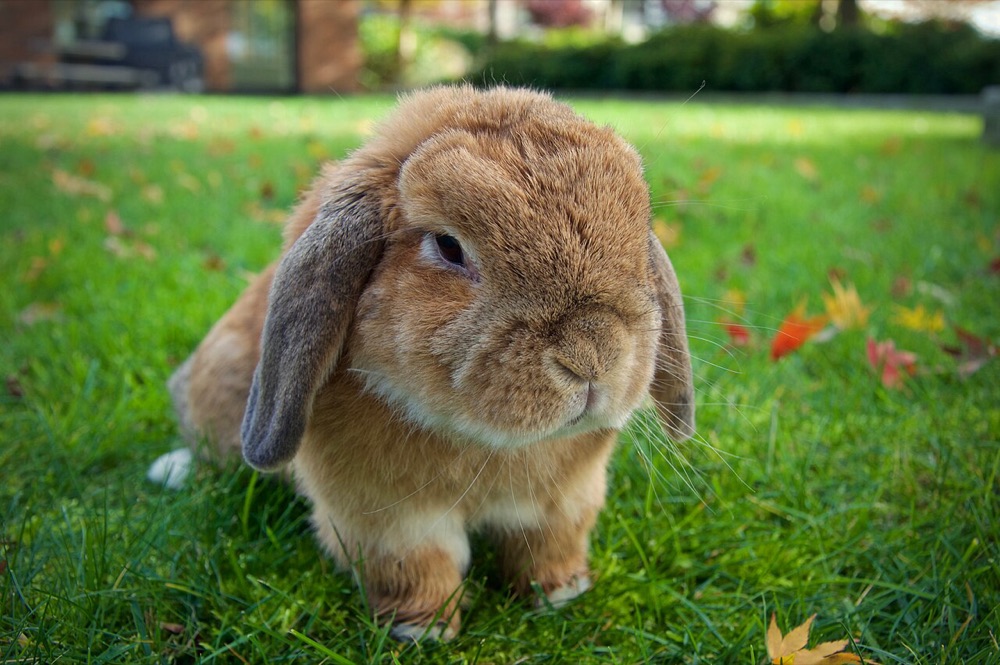
A Holland Lop is a small, compact rabbit with ears that hang down, bred in the Netherlands to be easy to handle. Those folded ears are its main care point: studies find lop-eared rabbits have more narrowed, waxy and painful ear canals and more dental trouble than upright-eared rabbits. A sitter should check ears, eating and droppings at every visit.
In an Indian summer a Holland Lop needs a cool room, hay and water all day and a plan for power cuts, because rabbits do best at about 15 to 21 °C. Two visits a day suit most healthy adults on a short trip.

- Origin
- Tilburg, the Netherlands, bred by Adriann de CockPetMD (reviewed by Laurie Hess, DVM, DABVP)
- Adult weight
- 1.8 kg (ARBA's maximum show weight of 4 lb; many pet Holland Lops weigh less)American Rabbit Breeders Association
- Lifespan
- 7 to 10 yearsPetMD (reviewed by Laurie Hess, DVM, DABVP)
- Coat
- Short, soft fur in more than 30 colours and patterns recognised by ARBA, with a short moult once a year. Ears hang down beside the face.PetMD (reviewed by Laurie Hess, DVM, DABVP)
- Energy
- ModeratePetMD (reviewed by Laurie Hess, DVM, DABVP)
- Indian heat
- Struggles in heatMerck Veterinary Manual
- Flats
- Suits a flatRSPCA
Holland Lop at a glance
| What | The rule | Source |
|---|---|---|
| Size | Small and compact with a large head. ARBA sets a maximum show weight of 4 lb, about 1.8 kg. | American Rabbit Breeders Association |
| Ears | Lopped: they hang beside the face. Lop-eared rabbits showed more ear canal narrowing, wax and pain on examination than erect-eared rabbits in an RVC study. | Johnson J C and Burn C C, Royal Veterinary College (bioRxiv preprint of the Veterinary Record paper, 2019)study |
| Temperament | Friendly, playful and energetic, but can be skittish. PetMD suggests a calm home with adults or older children. | PetMD (reviewed by Laurie Hess, DVM, DABVP) |
| Lifespan | Typically 7 to 10 years. | PetMD (reviewed by Laurie Hess, DVM, DABVP) |
| Heat tolerance | Low, like all rabbits. Merck gives 15.5 to 21 °C at 40 to 60% humidity as the ideal range. | Merck Veterinary Manual |
| Alone-time tolerance | Needs someone each day: a rabbit that stops eating needs a vet at once. | PDSA |
| Grooming | Brush once or twice a week and daily in a moult; trim nails every one to two months. Do not bathe. | PetMD (reviewed by Laurie Hess, DVM, DABVP) |
Where does the Holland Lop come from?
The Holland Lop was developed in the Netherlands by the breeder Adriann de Cock. ARBA says his aim was a dwarf lop-eared rabbit smaller and easier to handle than the large French Lop, and that the work was long and difficult. PetMD records that he crossed the French Lop with the much smaller Netherland Dwarf, working in Tilburg.
European breed standards were adopted in 1964, and the American Rabbit Breeders Association recognised the breed in 1979. ARBA now counts it among the five most popular breeds it registers.
Its small size comes partly from its dwarf parent. The OMIA genetics database lists the Holland Lop among the breeds carrying the dwarf gene, a deletion at the HMGA2 locus that also shortens the face and may raise the risk of dental disease.
How did the Holland Lop come to India?
No source we found records when Holland Lops first came to India or how many live here. India's documented rabbit keeping is mostly farming: an ICAR review counted about 406,000 rabbits across 27 states, kept for meat and Angora wool, and the breeds Indian agricultural universities describe are farm breeds rather than dwarf lops.
Holland Lops in India are kept as indoor pets in flats, where summer heat and monsoon humidity are the main challenges. Anyone selling rabbits as pets falls under the Prevention of Cruelty to Animals (Pet Shop) Rules, 2018, which name rabbits among the animals they cover.
What care does a Holland Lop need?
The three things that shape a good day for this breed.
Exercise
Daily supervised time out of the pen in a rabbit-proofed room. PetMD warns that a Holland Lop without enough exercise and company may become destructive or self-harm. The RSPCA asks for an exercise space of at least 3 m by 2 m by 1 m. PetMD (reviewed by Laurie Hess, DVM, DABVP)
Grooming
Brush once or twice a week and daily during the moult, trim nails every one to two months, and have a vet show you how to check and clean the ears. Do not bathe or cut the fur. RSPCA
Training
Holland Lops can learn to use a litter tray. Handle at floor level and lift only with one hand under the chest and one under the hind legs, as PDSA shows. PDSA
What should a Holland Lop eat?
Hay or grass should make up about 85% of a rabbit's diet, PDSA says, ideally unlimited and at least a bundle as big as the rabbit each day, with fresh water always available. Leafy greens, vegetables and herbs are fed twice a day, ideally five or six kinds, and a measured amount of nuggets (pellets) once a day for a rabbit under 3.5 kg. Follow your vet's measure, not a guess.
PDSA advises against muesli-style mixes, which rabbits pick through for the sugary bits, and keeps fruit and carrots as small, occasional treats. Change any food slowly, over two to four weeks. Do not share Indian kitchen food such as roti, rice or biscuits: they are not part of any rabbit diet the welfare bodies describe.
Meals a day: every age, hay and water available all day; adult under 3.5 kg, greens twice a day, nuggets once a day; young or older rabbit, as your vet advises; PDSA leaves this to the vet.
Which illnesses is the Holland Lop prone to, and how are they treated?
The conditions veterinary studies and breed surveys most often report in the Holland Lop. Knowing the early signs means a vet sees it sooner.
See your vet first. This is general information from veterinary sources, not a diagnosis. Only a vet who has examined your pet can say what is wrong and prescribe treatment, and this page never gives a dose. Do not give your pet human medicine. If your pet seems very unwell, go to a 24-hour vet: find one in your city.
Ear canal disease (otitis externa)
See a vet soonFolded ears narrow the ear canal and trap wax. An RVC study found significantly more ear canal narrowing, wax, redness and pain in lop-eared rabbits than in erect-eared ones, and the RWAF says trapped wax can form abscesses at the ear base. Johnson J C and Burn C C, Royal Veterinary College (bioRxiv preprint of the Veterinary Record paper, 2019)study
Signs to watch for
- Head shaking or scratching at an ear
- Wax or discharge at the ear opening
- A lump at the base of an ear
- Head tilt, flinching when the ear is touched
How a vet treats it
A vet looks down the ear canal with an otoscope and may take samples to check for mites, bacteria or yeast, as the RVC researchers did. What follows depends on what the vet finds; any medicine or pain relief is prescribed by the vet, never bought over the counter.
Prevention
Ask for an ear examination at every routine check-up, even if the rabbit seems well, as the RWAF advises, and clean ears only after a vet has shown you how.
Dental disease and overgrown teeth
See a vet soonRabbit teeth grow throughout life and need hay to wear them down. Lop-eared rabbits in the RVC rescue study had more incisor problems and overgrown, sharp molars; a later study of 435 show rabbits found husbandry mattered more than head shape. PDSA
Signs to watch for
- Dropping food or leaving hay
- Drooling or a wet chin
- Weepy eyes
- Smaller droppings, weight loss, a lump on the jaw
How a vet treats it
PDSA says a vet trims overgrown teeth and spurs under anaesthetic, may remove damaged teeth, gives pain relief and, for abscesses, antibiotics. Never trim teeth at home.
Prevention
Unlimited hay, a weekly look at the front teeth and a vet dental check at least once a year.
Gut stasis
Emergency: go to a vet nowThe gut slows or stops, often after pain, stress, heat or a low-fibre diet. PDSA says it can be fatal if not treated quickly. PDSA
Signs to watch for
- Eating less or nothing
- Small, few or no droppings
- Hunched posture, teeth grinding
How a vet treats it
A vet examines the rabbit and looks for the cause, such as dental pain. Merck describes fluids, pain management, hay or other roughage and, once the rabbit is hydrated and comfortable, medicine to stimulate the gut.
Prevention
Hay available all day, no sudden diet changes and a cool, calm home.
Heatstroke
Emergency: go to a vet nowRabbits cannot pant or sweat well, and Merck puts their ideal range at 15.5 to 21 °C. An Indian summer room without cooling is well above that. PDSA
Signs to watch for
- Red, hot ears
- Fast or open-mouth breathing
- Lying stretched out, weakness, collapse
How a vet treats it
PDSA says to start cooling the rabbit gradually, keeping water away from the nose and mouth, and to call the vet at once; the vet decides on further treatment.
Prevention
A cool room, a tile and frozen bottles, water always, and a plan for power cuts.
Why do a Holland Lop's ears need checking?
Because the fold that makes the breed look soft also narrows the ear canal. Wax and moisture collect where an upright ear would let air in.
In the Royal Veterinary College study of 30 rescue rabbits, lop-eared rabbits had significantly more ear canal narrowing (stenosis), more wax, more redness and more pain responses when their ears were examined than erect-eared rabbits, with effect sizes the authors call often large. The same lop group had more incisor problems, overgrown and sharp molars, molar spurs and past dental treatment. The authors concluded that lop-eared rabbits are at increased risk of ear and dental disease.
A larger RVC field study of 435 pedigree rabbits from 49 breeds, summarised by the Rabbit Welfare Association in May 2026, again found lop-eared rabbits most at risk of ear trouble, and noted that many rabbits with ear problems looked healthy. The RWAF advises asking a vet for an ear examination at routine check-ups even when the rabbit seems fine, and watching for head shaking, scratching and changes in behaviour.
PetMD notes that a Holland Lop's ears reduce airflow, trap debris and moisture, and can lead to wax build-up and repeat infections. It advises weekly ear cleaning only after a vet has shown you how, so the canal and eardrum are not hurt. A sitter should look and feel, never clean inside the ear.
How does a Holland Lop cope with Indian heat and monsoon?
Poorly without help. Rabbits do best well below an Indian summer afternoon, and humidity makes it worse.
The Merck Veterinary Manual gives the ideal range for rabbits as 15.5 to 21 °C with 40 to 60% relative humidity, and a rule of thumb that the temperature in Fahrenheit plus the humidity percentage should stay under 150. A Mumbai or Chennai monsoon day of 30 °C (86 °F) at 70% humidity already adds up to 156. Merck says rabbits in heat stress stretch out and breathe fast.
Keep a Holland Lop in the coolest room of the flat, away from west-facing windows, with a ceramic or marble tile to lie on and water it already drinks from. PDSA lists red, hot ears and fast breathing among the signs of heatstroke, and lop ears hang against the head, so a sitter should lift and feel them on hot days. If the room relies on an air conditioner, tell the sitter where the inverter is and which fan it runs.
The monsoon brings damp bedding and flies. The RSPCA says flystrike can develop within hours in warm weather, and a lop's ear folds and a soiled rear end both hold moisture. Change damp hay and litter at every visit.
What does a sitter check on a Holland Lop?
Leave this list with your care sheet. It adds the breed's ears and teeth to the daily checks every rabbit needs.
- Eating and droppings at every visit: a rabbit that stops eating, or passes small or no droppings, needs a vet the same day. PDSA
- Ears: look at the openings for wax or discharge, feel the base of each ear for a lump, and note head shaking, scratching or a tilted head. Rabbit Welfare Association and Fund
- Mouth and chin: drooling, wet fur on the chin, dropping food or leaving hay are early signs of dental pain. PDSA
- Eyes: weepy eyes can come from tooth roots pressing on the tear ducts, which the RWAF links to short-faced and lop breeds. Rabbit Welfare Association and Fund
- Rear end: urine staining or stuck droppings, checked twice a day in warm weather because of flystrike. RSPCA
- Room temperature and the cooling plan: tile, frozen bottle wrapped in a towel, fan on, curtains drawn. Rabbit Welfare Association and Fund
- Companion: are the pair sitting together as usual? Rabbits should live with at least one other rabbit. RSPCA
- No ear drops, cleaners or medicines unless the vet has prescribed them and the owner has left written instructions.
How should a sitter handle a Holland Lop?
As little as possible. PetMD describes the breed as friendly but sometimes skittish, and warns of spinal injury if a rabbit kicks out while being held. PDSA notes that rabbits are prey animals and feel safest at ground level. For a short stay the sitter can do almost everything at floor level: refill hay, sit nearby and let the rabbit come over.
If the rabbit must be picked up, for example to move it to a cooler room or into a carrier for the vet, PDSA's method is one hand under the chest, the other under the hind legs, the rabbit held close to your body, and a squat to put it down again. Ask the owner to show this at the meet and greet. Never lift a rabbit by the ears or the scruff.
Holland Lop males, PetMD notes, are often more outgoing but can be more destructive. Both sexes need daily supervised time out of the pen and company. A Holland Lop left without exercise may chew wires or furniture, so a rabbit-proofed room is part of the plan, not an extra.
Feeding a Holland Lop while you travel
Do not change anything. Hay should make up most of what a rabbit eats and be available all the time, with a bundle at least as big as the rabbit each day, because chewing hay wears down teeth that grow throughout life. PetMD says a rabbit's teeth grow about 2 mm a week. For a breed with a higher risk of dental trouble, plenty of hay matters even more.
Leave enough of the same hay and pellets for the whole trip, with the scoop you use, and a list of the greens your rabbit already eats. The RSPCA warns that sudden diet changes upset a rabbit's gut. In Indian summers greens wilt quickly: ask the sitter to wash and serve them fresh at each visit and remove what is left by the next.
Holland Lop warning signs and what to do
A sitter does not diagnose. They notice a change, call the owner and the vet, and log what they saw.
If Not eating, no droppings or very small droppings, sitting hunched.
Call a rabbit vet now. PDSA treats a rabbit that stops eating as an emergency because gut stasis can be fatal. PDSA
If Head tilt, shaking the head, scratching an ear, or a lump at the base of an ear.
Call the vet the same day. The RWAF says wax trapped in lop ears can form painful abscesses at the ear base. Rabbit Welfare Association and Fund
If Drooling, a wet chin, dropping food, grinding teeth.
Ask the vet. PDSA says untreated dental disease can lead to gut stasis; do not try to trim teeth at home. PDSA
If Red, hot ears, fast or open-mouth breathing, weakness on a hot day.
Heatstroke: move to a cool room, wet the ears with cool water, and phone the vet on the way. PDSA
If Eggs or maggots near the tail.
Flystrike: get to a vet immediately. RSPCA
Which Petym service suits a Holland Lop?
Most Holland Lops are happiest at home, where the cooling, the litter tray and the routine already work.
Healthy adult pairs
Drop-in visits
A sitter visits once or twice a day for hay, greens, water, litter, an ear and eating check, and a daily photo update. Suits trips of a few days.
Heatwaves and long trips
Overnight pet sitting
A sitter stays in your home and sees the rabbits many times a day, which suits May and June, a long trip or a rabbit that has had ear or tooth trouble.
Rabbits on treatment
Special-needs care
For a Holland Lop on ear or dental treatment, with medicines given and logged exactly as the vet wrote them.
Breeds with similar care needs to the Holland Lop
Going away soon? Plan your pet’s care first.
Petym's bookings open for dogs and cats first. For every other pet, the free going-away checklist covers food, water, heat and what to leave written down before you travel.

Questions owners ask
Is a Holland Lop a good pet in India?
- It can be, in a cool indoor room with a companion rabbit, hay all day and a vet who treats rabbits. Plan for summer heat, since rabbits do best at about 15 to 21 °C, and for regular ear and teeth checks, because lop-eared rabbits have more ear and dental problems.
Why do Holland Lops get ear infections?
- Their ears fold over, which narrows the ear canal and reduces airflow, so wax and moisture collect. An RVC study found more ear canal narrowing, wax and pain in lop-eared rabbits than in upright-eared ones. Ask your vet to examine the ears at every check-up, even if the rabbit seems well.
How often should a sitter visit a Holland Lop?
- At least once a day for a healthy pair in mild weather, and twice a day for most of the Indian year, because the RSPCA asks for the rear end to be checked twice daily in warm weather. A heatwave, a long trip or a rabbit with a health problem calls for overnight sitting.
How big does a Holland Lop get?
- It is a small breed: the American Rabbit Breeders Association sets a maximum show weight of 4 lb, about 1.8 kg, with a compact body and a large head. Small does not mean it needs little space; it still needs room to run, hop and stand up.
Can I bathe my Holland Lop in summer to cool it down?
- No. PetMD advises against bathing a Holland Lop and against cutting its fur, as rabbit skin tears easily. To cool a rabbit, use shade, a marble or ceramic tile, a frozen bottle wrapped in a towel and a fan aimed at the bottle, as the Rabbit Welfare Association suggests.
Are Holland Lops good with children?
- PetMD describes them as friendly but sometimes skittish and suggests a calm home with adults or older children. Rabbits can be hurt by a fall or by kicking out while held, so younger children should sit on the floor and let the rabbit come to them.
How long do Holland Lops live?
- PetMD gives a typical lifespan of 7 to 10 years. Good hay, a cool home, a companion, spaying or neutering and regular vet checks of the ears and teeth all help a rabbit reach the upper end of that range.
Keep reading
- Rabbits: caring for a rabbit while you are away
- Netherland Dwarf rabbit careOne of the Holland Lop's parent breeds, with the same short face.
- Rabbit care guide for India
- Summer pet care in India
- Monsoon pet care
- Signs your pet needs a vet now
- Drop-in visits or overnight sitting
Services that help
Free tools for this
Words on this page, explained
Keep exploring
Sources
Each source was opened and read on the date shown. How Petym checks its sources
- PetMD (reviewed by Laurie Hess, DVM, DABVP): Holland Lop (updated 7 July 2023) (opens in a new tab)
- American Rabbit Breeders Association: Holland Lop (opens in a new tab)
- Merck Veterinary Manual: Noninfectious diseases of rabbits (full review July 2021, updated September 2024) (opens in a new tab)
- RSPCA: Rabbits: care and welfare (opens in a new tab)
- Kerala Agricultural University, Centre for e-Learning: Rabbit breeds (opens in a new tab)
- Ministry of Environment, Forest and Climate Change (Gazette copy on AWBI's site): Prevention of Cruelty to Animals (Pet Shop) Rules, 2018: G.S.R. 844(E), 6 September 2018 (opens in a new tab)
Show all 21 sourcesShow fewer
- PDSA: How to hold a rabbit safely (opens in a new tab)
- PDSA: Feeding your rabbits (opens in a new tab)
- RSPCA: Rabbit diet (opens in a new tab)
- Rabbit Welfare Association and Fund: Brachycephaly in rabbits: causes and health issues (opens in a new tab)
- Rabbit Welfare Association and Fund: RWAF response to RVC rabbit ear disease study (28 May 2026) (opens in a new tab)
- PDSA: Dental problems in rabbits (opens in a new tab)
- PDSA: Reduced appetite in a rabbit (opens in a new tab)
- PDSA: Heatstroke in rabbits (opens in a new tab)
- RSPCA: Flystrike (opens in a new tab)
- RSPCA: Rabbit companionship (opens in a new tab)
- Rabbit Welfare Association and Fund: Keep your rabbits cool (leaflet, 2026) (opens in a new tab)
- Online Mendelian Inheritance in Animals (University of Sydney): Dwarfism, generic in Oryctolagus cuniculus (rabbit): OMIA 000299-9986 (opens in a new tab)
- Risam K S, Das G K and Bhasin V, ICAR Central Sheep and Wool Research Institute, Indian Journal of Animal Sciences 75(3) (2005): Rabbit for meat and wool production in India: a review (abstract read) (opens in a new tab)
- Johnson J C and Burn C C, Royal Veterinary College (bioRxiv preprint of the Veterinary Record paper, 2019): Lop-eared rabbits have more aural and dental problems than erect-eared rabbits: a rescue population study (opens in a new tab)
- Jackson M A, Betts M, Hedley J and Burn C C, Animals 15(7):980 (2025): Rabbit dental abnormalities: investigation of conformational risk factors in a pedigree rabbit population (abstract read via Europe PMC) (opens in a new tab)