Netherland Dwarf rabbit care in India: teeth, heat and a shy nature
Updated By PetymFacts checked against official sources on
Quick answer
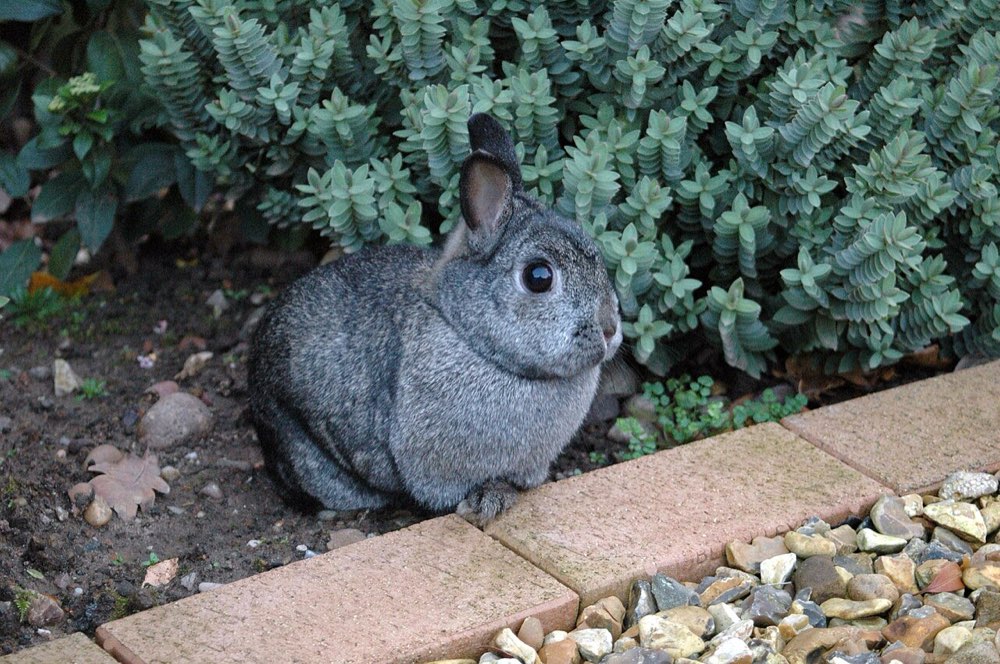
The Netherland Dwarf is one of the smallest rabbit breeds, usually under 1 kg, with a round head, a short face and small upright ears. That short face can push the teeth out of line, so many need regular dental care from a vet. It is timid, so a sitter should be quiet and handle it as little as possible.
Like every rabbit it struggles in Indian heat and must be checked every day for eating and droppings. Two calm visits a day, in a cool room with the cooling set up, suit most healthy adults on a short trip.

- Origin
- The Netherlands, early 20th centuryAmerican Rabbit Breeders Association
- Adult weight
- 0.9 to 1.1 kg (PetMD gives 2 to 2.5 lb; ARBA's show maximum is 2.5 lb and PDSA's average is under 1 kg)PetMD (reviewed by Laurie Hess, DVM, DABVP)
- Lifespan
- 7 to 12 yearsPDSA
- Coat
- Short and dense in 25 recognised colour varieties; weekly brushing, more often in a moult. Small upright ears and a rounded, short-nosed head.American Rabbit Breeders Association
- Energy
- ModeratePetMD (reviewed by Laurie Hess, DVM, DABVP)
- Indian heat
- Struggles in heatPetMD (reviewed by Laurie Hess, DVM, DABVP)
- Flats
- Suits a flatRSPCA
Netherland Dwarf at a glance
| What | The rule | Source |
|---|---|---|
| Size | Tiny: PDSA gives an average adult weight under 1 kg, and ARBA sets a maximum show weight of 2.5 lb, about 1.1 kg. | American Rabbit Breeders Association |
| Head | Brachycephalic (short-faced). The RWAF counts every dwarf breed as brachycephalic, with crowded teeth and tear duct problems. | Rabbit Welfare Association and Fund |
| Temperament | Generally timid and easily frightened, PDSA says; it does not enjoy being picked up and suits families with older children. | PDSA |
| Lifespan | PDSA gives 7 to 9 years; PetMD gives 10 to 12. | PDSA |
| Coat | Short; weekly brushing, every other day in a moult. Nails every four to six weeks. | PetMD (reviewed by Laurie Hess, DVM, DABVP) |
| Heat tolerance | Low. PetMD advises a draught-free room between 10 and 25 °C. | PetMD (reviewed by Laurie Hess, DVM, DABVP) |
| Alone-time tolerance | Needs a daily check of eating and droppings at the very least. | PDSA |
Where does the Netherland Dwarf come from?
ARBA says the Netherland Dwarf was first produced in the Netherlands in the early 20th century and soon reached America. PetMD records that Dutch breeders crossed small domestic rabbits with smaller wild rabbits, fixing a single dwarf gene, and that the breed was recognised in the Netherlands in 1940 and in the UK in 1950. After the Second World War it reached the United States, where ARBA recognised it in 1969.
Genetic work has since pinned down that dwarf gene. OMIA, citing Carneiro and colleagues (2017), describes a 12.1 kb deletion that disables the HMGA2 gene: one copy gives a rabbit about two thirds normal size with a large head and short snout, and two copies are lethal within days of birth. A 2025 study found most Netherland Dwarfs carry the deletion, while other genes also shape small size.
The breed now comes in 25 recognised colour varieties and was used, PetMD notes, to create other small breeds such as the Holland Lop.
How did the Netherland Dwarf come to India?
We found no source that records when the Netherland Dwarf came to India or how common it is here. Published Indian work on rabbits deals with farm breeds kept for meat and wool, such as the New Zealand White, Soviet Chinchilla and Grey Giant, not dwarf pet breeds.
In Indian homes the breed is kept indoors as a pet, often in flats. Its small size makes it easy to house but not easy to cool: PetMD's comfort range of 10 to 25 °C sits well below an Indian summer day, so a cooling plan is part of owning one.
What care does a Netherland Dwarf need?
The three things that shape a good day for this breed.
Exercise
Active and playful: PetMD calls the breed intelligent, energetic and easier to train than many. It needs daily time in a rabbit-proofed room and the same floor space as a larger rabbit; the RSPCA asks for at least 3 m by 2 m by 1 m. PetMD (reviewed by Laurie Hess, DVM, DABVP)
Grooming
PetMD says weekly brushing, every other day during a moult, nails trimmed every four to six weeks; the ears rarely need cleaning. Check the front teeth weekly, as PDSA advises for all rabbits. PDSA
Training
Patience first. The breed can start shy and may bite, kick or scratch when it feels unsafe, PetMD says, then bonds closely. Litter training usually works well. Handle at ground level. RSPCA
What should a Netherland Dwarf eat?
PDSA's rabbit diet is mostly hay or grass, about 85%, available without limit and at least a bundle the size of the rabbit each day, with greens twice a day and a measured spoon of nuggets once a day for a rabbit under 3.5 kg. Water must always be fresh. PetMD adds that dark leafy greens are better than iceberg lettuce, and treats should be few and low in sugar.
Because many Netherland Dwarfs have teeth that meet badly, hay matters even more than for a long-faced rabbit. PDSA warns that muesli mixes and too many nuggets reduce hay eating and lead to dental and gut problems. If your dwarf has had dental work, follow the vet's feeding plan exactly.
Meals a day: every age, hay and water available all day; adult (always under 3.5 kg), greens twice a day, nuggets once a day; kits and older rabbits, as your vet advises.
Which illnesses is the Netherland Dwarf prone to, and how are they treated?
The conditions veterinary studies and breed surveys most often report in the Netherland Dwarf. Knowing the early signs means a vet sees it sooner.
See your vet first. This is general information from veterinary sources, not a diagnosis. Only a vet who has examined your pet can say what is wrong and prescribe treatment, and this page never gives a dose. Do not give your pet human medicine. If your pet seems very unwell, go to a 24-hour vet: find one in your city.
Dental malocclusion
See a vet soonTeeth that do not meet properly and so do not wear down. PetMD says the breed's short muzzle and flat face can cause it, and Merck calls malocclusion probably the most common inherited disease of rabbits, often visible at 3 to 8 weeks. PetMD (reviewed by Laurie Hess, DVM, DABVP)
Signs to watch for
- Front teeth that look long or crooked
- Drooling, a wet chin
- Dropping food, eating less hay
- Weepy eyes, weight loss
How a vet treats it
A vet examines the incisors and cheek teeth, usually under anaesthetic or heavy sedation, and trims overgrown teeth and spurs. Merck says cheek teeth often cause the incisor problem, and extractions should be done only by vets trained in rabbit dentistry. Pain relief is usually needed, and antibiotics for abscesses.
Prevention
Unlimited hay, weekly checks of the front teeth and regular dental checks with your vet. Affected rabbits should not be bred.
Upper respiratory infection
See a vet soonPetMD says the Netherland Dwarf's shortened airway may make it more prone to upper respiratory infections than larger breeds. The RWAF adds that tooth roots and tear ducts sit close together in short-faced rabbits, so dental disease can also block the tear ducts. PetMD (reviewed by Laurie Hess, DVM, DABVP)
Signs to watch for
- Sneezing
- Discharge from the nose or eyes
- Noisy breathing, eating less
How a vet treats it
A vet examines the nose, eyes and teeth, since a tooth root problem can look like a cold, and decides on treatment; any medicine comes from the vet, never from a pharmacy shelf.
Prevention
A clean pen with low ammonia, as PetMD advises, and early dental care.
E. cuniculi
See a vet soonA microscopic parasite shed in urine that can damage a rabbit's brain, nerves and kidneys. PetMD lists it for the breed, and PDSA says some rabbits carry it for years without signs. PDSA
Signs to watch for
- Head tilt
- Weak or wobbly back legs
- Wetting and a soiled rear end
- Drinking more, cataracts, tremors or seizures
How a vet treats it
PDSA says vets often treat on the signs because tests are hard to rely on, usually with an anti-parasitic medicine given as a daily course, plus gut support, antibiotics for secondary infection or hospital care with fluids if needed.
Prevention
Regular cleaning with a disinfectant that kills the spores, no shared bowls between groups, and a month apart for any new rabbit.
Gut stasis
Emergency: go to a vet nowPetMD calls it a serious condition in which the rabbit stops eating and passing droppings; dental pain is a common trigger in short-faced rabbits. PetMD (reviewed by Laurie Hess, DVM, DABVP)
Signs to watch for
- No eating
- No or tiny droppings
- Hunched, quiet, teeth grinding
How a vet treats it
This needs a vet the same day. Merck describes fluids, pain management, roughage and, once the rabbit is stable, medicine to stimulate the gut; the vet also looks for the cause.
Prevention
A high-hay diet, as PetMD advises, and dental problems treated early.
Why do Netherland Dwarfs have tooth problems?
Their small, rounded skull leaves less room for teeth that never stop growing, so the teeth can meet badly and wear unevenly.
The breed's size comes from a single dwarf gene. The OMIA genetics database describes it as a deletion at the HMGA2 locus: rabbits with one copy are about two thirds normal size, usually under 1 kg, with a compact body, a relatively large head, small ears and a shortened snout. OMIA notes this altered skull shape may raise the risk of dental disease. Rabbits with two copies do not survive beyond a few days after birth, which is why responsible breeders never pair two dwarfs.
PetMD says the Netherland Dwarf's short muzzle and flat face can cause misaligned teeth that grow sharp points, and that affected rabbits often need lifelong tooth trims by a vet. The Merck Veterinary Manual calls malocclusion probably the most common inherited disease of rabbits and says inherited cases can often be seen at 3 to 8 weeks of age.
The picture is not one-sided. A 2025 study of 435 pedigree rabbits at British Rabbit Council shows found that head shape was not linked to dental abnormalities in that group, and concluded that husbandry matters more than conformation. For a Netherland Dwarf owner the practical message is the same either way: hay all day and regular dental checks.
Netherland Dwarf care myths
You may have read
A small rabbit needs only a small cage.
Myth
What the sources say
Space is about behaviour, not body size. The RSPCA asks for an area of at least 3 m by 2 m by 1 m for rabbits to run, hop and stand up, whatever the breed. RSPCA
You may have read
Dwarf rabbits are ideal for small children.
Myth
What the sources say
PetMD says they are not typically suited to homes with young children, and PDSA notes rabbits dislike being picked up and can be badly hurt if dropped. PetMD (reviewed by Laurie Hess, DVM, DABVP)
You may have read
One dwarf rabbit on its own is fine if you give it attention.
Myth
What the sources say
The RSPCA says rabbits should live with at least one other rabbit; human company does not replace a companion. RSPCA
You may have read
A tiny rabbit needs a tiny amount of hay.
Myth
What the sources say
Hay should be available all the time, with a bundle at least as big as the rabbit each day, because it keeps teeth worn down and the gut moving. RSPCA
How do you keep a Netherland Dwarf cool in an Indian summer?
With shade, a cool floor and moving air, set up before you leave, and a sitter who checks the room before the rabbit.
PetMD's advice for the breed is a draught-free room between about 10 and 25 °C, with a clean cage to keep ammonia down. Merck puts the ideal for rabbits at 15.5 to 21 °C. The India Meteorological Department declares a heat wave in the plains at 40 °C, so in April, May and June a closed flat can pass a rabbit's comfort range by mid-morning.
The Rabbit Welfare Association's cooling steps work in a flat: curtains shut, a marble tile to lie on, frozen water bottles wrapped in a towel and a battery fan pointed at the bottles, and cool water but no ice. For a tiny rabbit, one frozen bottle can sit inside the hide box so it can rest out of sight and stay cool at once. Ask the sitter to swap bottles at each visit and keep spares in the freezer.
Humidity also matters. Merck's rule of thumb is that the Fahrenheit temperature plus the humidity percentage should stay under 150, which coastal cities pass for much of the monsoon. Change damp litter and hay at every visit then.
What does a sitter's visit to a Netherland Dwarf look like?
Slow and quiet. A timid rabbit that hides when a stranger walks in still has to be seen eating and passing droppings.
At the door
Enter calmly, check the room temperature and the fan, and look for both rabbits before doing anything else.
First look
Is the rabbit up, alert and sitting normally? A tiny rabbit that stays hunched in a corner needs a closer look. PDSA
Food check
How much hay is gone, were the greens eaten, how many droppings and what size? Photograph them for the log. PDSA
Refill
Fresh hay in a large pile, the owner's greens, the owner's pellet scoop and fresh water. RSPCA
Face check from a distance
Weepy eyes, a wet chin or drooling suggest tooth trouble; note it and tell the owner. Rabbit Welfare Association and Fund
Clean
Spot-clean the litter tray and replace damp bedding.
Quiet time
Sit on the floor and let the rabbit approach. PDSA says rabbits feel safest at ground level. PDSA
Before leaving
Fresh frozen bottle, curtains drawn, latches checked, daily photo update sent.
When should a sitter call the vet for a Netherland Dwarf?
Small rabbits have less reserve. The sitter calls early and lets the vet decide.
If Has not eaten since the last visit, or no fresh droppings.
Call a rabbit vet today. Gut stasis can be fatal if not treated quickly. PDSA
If Drooling, wet chin, food dropped from the mouth, teeth visibly long.
Vet appointment the same day. PDSA warns never to trim teeth at home. PDSA
If Sneezing, discharge from the nose or eyes.
Call the vet. PetMD says the breed's short airway may make upper respiratory infections more likely. PetMD (reviewed by Laurie Hess, DVM, DABVP)
If Head tilt, wobbly back legs, wetting itself.
Call the vet; PDSA lists these among the signs of E. cuniculi, which is treated better early. PDSA
If Red, hot ears, fast breathing, lying flat on a hot day.
Cool the rabbit gradually and ring the vet on the way. PDSA
Feeding a Netherland Dwarf while you travel
Leave the same hay, the same nuggets and a written list of greens. PDSA describes nuggets once a day for a rabbit under 3.5 kg, which covers every Netherland Dwarf, with hay making up about 85% of the diet. Leave your measuring spoon: with a rabbit this small, a heavy hand with pellets means less hay eaten, and PDSA links too many nuggets to dental and gut problems.
PetMD advises dark leafy greens rather than iceberg lettuce, and water always available. A bottle and a bowl together suit a sitter, who can see at a glance whether the rabbit is drinking. Hide a few hay-based treats around the pen so a shy rabbit forages while the sitter is in the room.
Which Petym service suits a Netherland Dwarf?
Most healthy adults
Drop-in visits
One or two quiet visits a day in your home, with food, water, litter, a check of eating and droppings and a daily photo update.
Heat and long trips
Overnight pet sitting
A sitter living in your home through a heatwave or a trip of a week or more, able to spot a rabbit that stops eating within hours.
Dental or chronic cases
Special-needs care
For a dwarf on pain relief or recovering from dental work, with the vet's instructions followed and logged.
Breeds with similar care needs to the Netherland Dwarf
Going away soon? Plan your pet’s care first.
Petym's bookings open for dogs and cats first. For every other pet, the free going-away checklist covers food, water, heat and what to leave written down before you travel.

Questions owners ask
How big does a Netherland Dwarf rabbit get?
- Very small. PDSA gives an average adult weight under 1 kg, PetMD 2 to 2.5 lb, and the American Rabbit Breeders Association sets a 2.5 lb maximum, about 1.1 kg. It has a compact body, a round head and short upright ears.
Is a Netherland Dwarf good for a flat in India?
- Yes, if it lives indoors in a cool room with a companion and plenty of floor space. The RSPCA asks for an area of at least 3 m by 2 m by 1 m even for small breeds. Plan for summer heat and power cuts before you bring one home.
Why does my Netherland Dwarf need its teeth trimmed?
- Its short face can make the teeth meet out of line, so they do not wear down and grow sharp points. PetMD says many affected dwarfs need lifelong trims by a vet. PDSA says this is done under anaesthetic and should never be tried at home.
Are Netherland Dwarfs aggressive?
- They are more often timid than aggressive. PetMD says they may bite, kick or scratch when they feel unsafe, and bond closely once they trust you. Let the rabbit come to you at floor level, and keep lifting to a minimum.
How long do Netherland Dwarf rabbits live?
- Sources differ: PDSA gives 7 to 9 years and PetMD 10 to 12. Hay all day, regular dental checks, a cool home and neutering all support a long life. Ask your vet about vaccination for diseases present in your area.
How often should a sitter visit a Netherland Dwarf?
- At least once a day for a healthy pair in mild weather, and twice a day in warm or humid weather, which covers much of India. Because the breed often has dental trouble, the sitter must see it eating at every visit and call the vet if it stops.
Can two Netherland Dwarfs be bred together?
- Breeding is a job for experienced breeders and a vet. OMIA explains that two copies of the dwarf gene are lethal within days of birth, so pairing two dwarfs produces some kits that cannot survive. For pets, neutering is the usual advice.
Keep reading
- Rabbits: caring for a rabbit while you are away
- Holland Lop careA lop bred from the Netherland Dwarf, with the same tooth watch.
- Lionhead rabbit careAnother small, short-faced breed, with a mane to groom.
- Rabbit care guide for India
- Summer pet care in India
- What to leave for your pet sitter
- The meet and greet checklist
Services that help
Free tools for this
Words on this page, explained
Keep exploring
Sources
Each source was opened and read on the date shown. How Petym checks its sources
- American Rabbit Breeders Association: Netherland Dwarf (opens in a new tab)
- PetMD (reviewed by Laurie Hess, DVM, DABVP): Netherland Dwarf (updated 4 August 2023) (opens in a new tab)
- PDSA: Netherland Dwarf rabbit breed information (opens in a new tab)
- RSPCA: Rabbits: care and welfare (opens in a new tab)
- PetMD (reviewed by Laurie Hess, DVM, DABVP): Holland Lop (updated 7 July 2023) (opens in a new tab)
- Kerala Agricultural University, Centre for e-Learning: Rabbit breeds (opens in a new tab)
Show all 21 sourcesShow fewer
- PDSA: Dental problems in rabbits (opens in a new tab)
- PDSA: Feeding your rabbits (opens in a new tab)
- Merck Veterinary Manual: Noninfectious diseases of rabbits (full review July 2021, updated September 2024) (opens in a new tab)
- Rabbit Welfare Association and Fund: Brachycephaly in rabbits: causes and health issues (opens in a new tab)
- PDSA: E. cuniculi in rabbits (opens in a new tab)
- PDSA: Reduced appetite in a rabbit (opens in a new tab)
- PDSA: How to hold a rabbit safely (opens in a new tab)
- PDSA: Heatstroke in rabbits (opens in a new tab)
- RSPCA: Rabbit companionship (opens in a new tab)
- RSPCA: Rabbit diet (opens in a new tab)
- Rabbit Welfare Association and Fund: Keep your rabbits cool (leaflet, 2026) (opens in a new tab)
- India Meteorological Department: FAQ on heat wave (opens in a new tab)
- Online Mendelian Inheritance in Animals (University of Sydney): Dwarfism, generic in Oryctolagus cuniculus (rabbit): OMIA 000299-9986 (opens in a new tab)
- Marykutty T and Nandakumar P, World Rabbit Science 8(2) (2000): Factors influencing litter traits and body weight up to 12 weeks among temperate rabbit breeds in humid tropics (abstract read) (opens in a new tab)
- Jackson M A, Betts M, Hedley J and Burn C C, Animals 15(7):980 (2025): Rabbit dental abnormalities: investigation of conformational risk factors in a pedigree rabbit population (abstract read via Europe PMC) (opens in a new tab)