Mini Rex care in India: feet, floors and the velvet coat
Updated By PetymFacts checked against official sources on
Quick answer
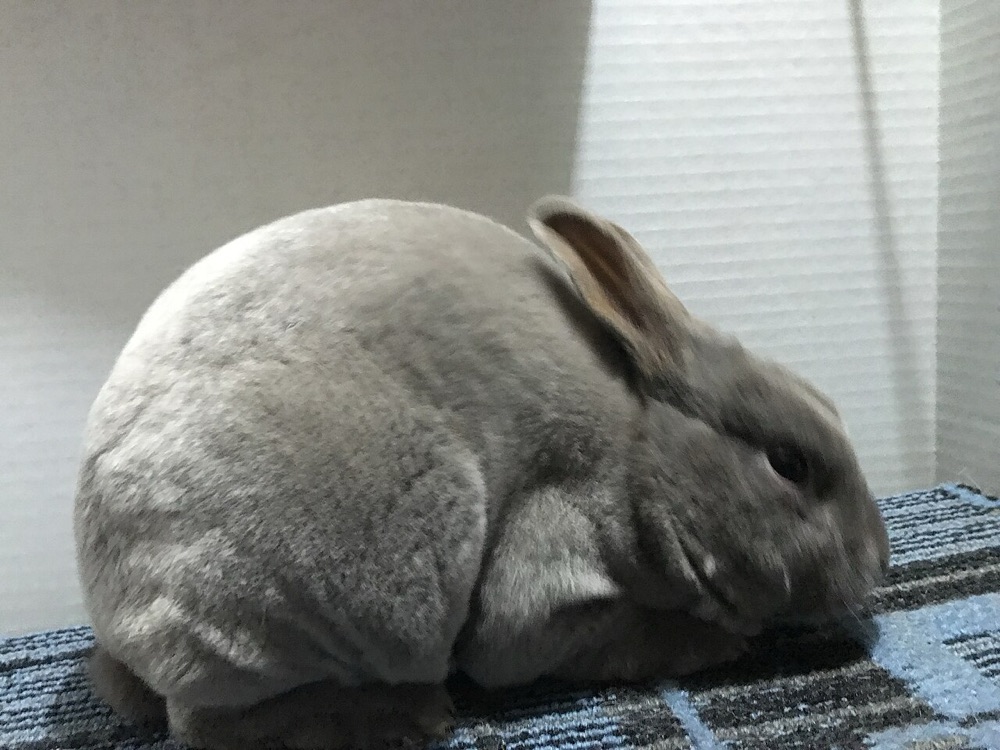
The Mini Rex is a small rabbit, at most about 2 kg, with a dense, velvety rex coat. The gene behind that plush feel leaves short fur on the soles, and the Merck Veterinary Manual says Rex rabbits are predisposed to sore hocks. On Indian tile and marble floors, soft, dry flooring and daily foot checks matter.
The coat needs little grooming, but the rabbit still needs a cool room in summer, hay and water all day and a daily check of eating and droppings. Twice-daily visits suit most healthy adults on a short trip.

- Origin
- Texas, United States, 1984, bred by Monna BerryhillAmerican Rabbit Breeders Association
- Adult weight
- 2 kg (ARBA's maximum show weight of 4.5 lb; pets often weigh less)American Rabbit Breeders Association
- Coat
- Plush rex fur in many colours: soft, dense hair whose guard hairs are no longer than the undercoat, giving a velvet feel. Needs little grooming.Online Mendelian Inheritance in Animals (University of Sydney)study
- Energy
- Moderate
- Indian heat
- Struggles in heatMerck Veterinary Manual
- Flats
- Suits a flatRSPCA
Mini Rex at a glance
| What | The rule | Source |
|---|---|---|
| Size | Small. ARBA sets a maximum show weight of 4.5 lb, about 2 kg. | American Rabbit Breeders Association |
| Coat | Plush rex fur: OMIA describes rex hair as soft, with guard hairs no longer than the undercoat. | Online Mendelian Inheritance in Animals (University of Sydney)study |
| Feet | Rex rabbits lack the longer guard hairs that cushion the hocks, so they are predisposed to sore hocks. | Merck Veterinary Manual |
| Origin | Developed in 1984 in Texas by Monna Berryhill; ARBA recognised it in 1988. | American Rabbit Breeders Association |
| Grooming | Low. PDSA says the Rex coat needs no traditional grooming; wipe with a damp cloth if needed. | PDSA |
| Heat tolerance | Low, like all rabbits: Merck's ideal is 15.5 to 21 °C. | Merck Veterinary Manual |
| Alone-time tolerance | A daily check at least: a rabbit that stops eating needs a vet straight away. | PDSA |
Where does the Mini Rex come from?
The rex coat is older than the breed. OMIA records that in 1919 a breeder in the Pays de la Loire region of France found a soft-haired mutant in a litter of wild grey rabbits, and that a local priest, Abbé Gillet, planned crosses to fix the trait. It is inherited as a recessive gene, and in 2011 researchers traced it to a single-letter deletion in the LIPH gene.
The Mini Rex is much newer than the coat: ARBA says it was developed in 1984 in Texas by Monna Berryhill and recognised in 1988, and that it has been consistently one of the two highest entries at ARBA conventions since.
ARBA describes the breed as plush coated and bred in many colours. The trade-off of that coat, Merck notes, is feet without the longer guard hairs that cushion other rabbits.
How did the Mini Rex come to India?
We found no source recording when the Mini Rex reached India or how many are kept here. Indian rabbit research and agricultural university pages describe farm breeds kept for meat and fur, and do not mention rex breeds.
As a pet in an Indian flat, the Mini Rex meets one problem other breeds feel less: hard tile, marble and granite floors, which PetMD lists among the causes of sore hocks. Washable rugs or mats over most of the floor are the practical answer.
What care does a Mini Rex need?
The three things that shape a good day for this breed.
Exercise
Daily time out of the pen on soft flooring, and an enclosure at least four times the rabbit's size, which PetMD says helps prevent sore hocks. The RSPCA asks for at least 3 m by 2 m by 1 m of space. PetMD (Melissa Witherell, DVM)
Grooming
PDSA says the Rex coat needs no traditional grooming and can be wiped with a damp cloth if needed. Check nails and the soles of the back feet weekly instead. PDSA
Training
Litter training keeps bedding dry, which protects the feet. Handle at floor level, with one hand under the chest and one under the hind legs when lifting. PDSA
What should a Mini Rex eat?
PDSA's rabbit diet is hay or grass for about 85%, unlimited, at least a bundle as big as the rabbit daily, greens twice a day, a measured spoon of nuggets once a day for a rabbit under 3.5 kg, and fresh water always. PDSA names dental disease, linked to diet, as the main health worry for Rex rabbits.
Keep a Mini Rex lean: PetMD lists obesity as a cause of sore hocks and a healthy weight as prevention. That means no muesli mixes, few treats and no Indian snacks such as biscuits or namkeen, which PDSA's sugar and fat warnings rule out.
Meals a day: every age, hay and water available all day; adult, greens twice a day, nuggets once a day; young, old or unwell, as your vet advises.
Which illnesses is the Mini Rex prone to, and how are they treated?
The conditions veterinary studies and breed surveys most often report in the Mini Rex. Knowing the early signs means a vet sees it sooner.
See your vet first. This is general information from veterinary sources, not a diagnosis. Only a vet who has examined your pet can say what is wrong and prescribe treatment, and this page never gives a dose. Do not give your pet human medicine. If your pet seems very unwell, go to a 24-hour vet: find one in your city.
Sore hocks (ulcerative pododermatitis)
See a vet soonInflammation and ulcers on the underside of the back feet. Merck says Rex rabbits are predisposed because they lack the longer guard hairs that cushion the area; PetMD lists hard floors, obesity, damp bedding and too little exercise as causes. Merck Veterinary Manual
Signs to watch for
- Fur loss and redness under the back feet
- Weight shifted onto the front feet, or tiptoeing
- Swelling, scabs or abscesses
- Eating less, teeth grinding, hunching
How a vet treats it
A vet diagnoses it from the history and an examination of the feet and gait, with blood tests, X-rays or a culture in severe cases. PetMD and Merck describe removing the cause, softer clean bedding, antibiotics for infection, topical treatment, pain relief, protective dressings changed often, and surgery for severe cases.
Prevention
Soft, absorbent flooring, daily cleaning, a healthy weight, daily exercise and a large enclosure.
Dental disease
See a vet soonPDSA names dental disease as the main health concern for Rex rabbits, as for all rabbits, and links it to a diet low in fibre. PDSA
Signs to watch for
- Drooling or a wet chin
- Dropping food
- Weepy eyes
- Smaller droppings or weight loss
How a vet treats it
PDSA says a vet trims overgrown teeth under anaesthetic, may remove damaged teeth, and gives pain relief and, for abscesses, antibiotics.
Prevention
Unlimited hay and regular dental checks.
E. cuniculi
See a vet soonA parasite spread in urine that PDSA lists for Rex rabbits, which can damage the brain, nerves and kidneys. PDSA
Signs to watch for
- Head tilt
- Weak back legs
- Wetting and a soiled rear end
How a vet treats it
PDSA says vets often start treatment on the signs, with an anti-parasitic course and supportive care as needed.
Prevention
Disinfect living areas, do not share bowls between groups, and keep new rabbits apart for a month.
Heatstroke
Emergency: go to a vet nowRabbits do best at 15.5 to 21 °C, Merck says, and an uncooled Indian flat in summer is far warmer. PDSA
Signs to watch for
- Red, hot ears
- Fast or open-mouth breathing
- Weakness or collapse
How a vet treats it
PDSA says to start cooling gradually and call the vet at once; the vet decides on further treatment.
Prevention
Shade, a cool tile, frozen bottles, a fan and a power-cut plan.
Why does a Mini Rex get sore hocks?
Because the rex coat is short all over, including on the soles of the back feet, where other rabbits have a thicker cushion of fur.
The Merck Veterinary Manual says Rex rabbits are predisposed to ulcerative pododermatitis, or sore hocks, because they lack the longer guard hairs that normally cushion the area, and that genetics also play a part. PetMD's 2026 article by a vet names Rex breeds, with their short, thin fur, alongside large and giant breeds and rabbits that thump a lot as the rabbits at higher risk.
The rex coat itself comes from a single gene. OMIA records that a breeder in the Pays de la Loire region of France saw a soft-haired mutant in a litter of wild grey rabbits in 1919, and that the trait is recessive. Research in 2011 traced it to a deletion in the LIPH gene. A Mini Rex has two copies, which is why every one of them has the plush coat and the thin-furred feet.
PetMD lists hard surfaces such as wire, concrete and hardwood, obesity, small enclosures, little exercise and wet or dirty bedding among the causes. Early signs are fur loss, redness and swelling on the underside of the feet; in advanced cases abscesses, bone infection and permanent disability. PetMD notes the condition is often progressive and cannot be fully reversed, so prevention is the whole game.
What flooring suits a Mini Rex in an Indian flat?
Soft, dry and grippy over most of the area, with one cool tile to lie on in summer.
| For a Mini Rex | Why | |
|---|---|---|
| Vitrified tile, marble or granite PetMD (Melissa Witherell, DVM) | Cover most of the pen with washable rugs, fleece or mats | Hard surfaces are a risk factor for sore hocks |
| Wire-floored cage Merck Veterinary Manual | Avoid, or cover the floor completely | Merck advises moving affected rabbits off wire onto a solid surface |
| Rough coir or abrasive carpet PetMD (Melissa Witherell, DVM) | Avoid | Abrasive carpet is on PetMD's list of causes |
| One marble or ceramic tile Rabbit Welfare Association and Fund | Keep it in summer, as a cooling spot, not the whole floor | The RWAF recommends a marble surface to lie on in heat |
| Litter tray and bedding PetMD (Melissa Witherell, DVM) | Change wet litter and bedding at every visit | Urine-soaked bedding damages the skin of the feet |
The balance in India is cooling against cushioning: a cold tile helps a rabbit shed heat, a soft floor protects thin-furred feet. Give both, and let the rabbit choose.
How should a sitter check a Mini Rex's feet?
The sitter does not need to lift the rabbit at every visit. Watch how it sits and moves first. Merck says a rabbit with sore back feet shifts its weight onto its front feet, and one with all four feet affected walks on tiptoe. PetMD adds signs of pain: eating less, grinding teeth, fewer droppings, a hunched posture and ears and whiskers held tight back.
If the owner has shown them how at the meet and greet, the sitter can look at the underside of the back feet once a day while the rabbit sits on a lap at floor level. Bare pink patches, redness, swelling or a scab go in the log with a photo for the owner and a call to the vet. Never put cream, powder or a bandage on a rabbit's foot unless the vet has said so.
Does a Mini Rex cope with Indian heat?
Better than a woolly breed, but still badly without a cool room. Its short coat does not change a rabbit's basic limits.
Merck gives the ideal for rabbits as 15.5 to 21 °C at 40 to 60% humidity, and warns that the Fahrenheit temperature plus the humidity percentage should not exceed 150. The India Meteorological Department declares a heat wave in the plains when the maximum reaches 40 °C. PDSA's signs of heatstroke include red, hot ears, fast breathing, weakness and collapse.
Use the Rabbit Welfare Association's measures: shade, closed curtains, a marble surface, frozen bottles wrapped in a towel and a battery fan pointed at them. For a Mini Rex, put the tile at one end of a soft-floored pen rather than tiling the whole space, and ask the sitter to keep the inverter-backed fan running in a power cut.
Mini Rex warning signs for a sitter
Call early: a rabbit in pain stops eating, and a rabbit that stops eating is an emergency.
If Sitting with weight on the front feet, tiptoeing, reluctant to move, or a red or bald patch under a back foot.
Log it with a photo and call the vet the same day; sore hocks get worse without treatment. Merck Veterinary Manual
If Eating less, grinding teeth, hunched, fewer droppings.
Call a rabbit vet now. These are pain signs and early gut stasis. PDSA
If Fast breathing, red, hot ears, lying flat on a hot day.
Cool the rabbit gradually, keep water away from its nose and mouth, and ring the vet. PDSA
If Head tilt or wobbly back legs.
Call the vet; PDSA lists these among the signs of E. cuniculi. PDSA
If Eggs or maggots near the tail.
Flystrike: to the vet immediately. RSPCA
Feeding a Mini Rex while you travel
A healthy weight protects the feet: PetMD lists obesity among the causes of sore hocks and a healthy weight among the ways to prevent them. So the sitter sticks to the owner's measure of nuggets and does not add treats. PDSA's diet is mostly hay, unlimited and at least a bundle the size of the rabbit daily, greens twice a day and nuggets once a day for a rabbit under 3.5 kg.
PDSA notes that the main health worry for Rex rabbits, as for all rabbits, is dental disease linked to diet. Hay wears the teeth down; a pellet-heavy diet does not. Leave enough hay for the whole trip and a few days more, stored dry, since damp hay in the monsoon grows mould.
Which Petym service suits a Mini Rex?
Healthy adults
Drop-in visits
Visits once or twice a day for food, water, litter, fresh bedding, a look at the feet and a daily photo update.
Heat and longer trips
Overnight pet sitting
A sitter in your home through a heatwave or a week away, changing wet bedding often and watching how the rabbit moves.
Sore hocks under treatment
Special-needs care
For a Mini Rex with foot dressings or pain relief from the vet, given and logged exactly as prescribed.
Breeds with similar care needs to the Mini Rex
Going away soon? Plan your pet’s care first.
Petym's bookings open for dogs and cats first. For every other pet, the free going-away checklist covers food, water, heat and what to leave written down before you travel.

Questions owners ask
Why are Mini Rex rabbits prone to sore hocks?
- The rex coat is short everywhere, including the soles of the feet. The Merck Veterinary Manual says Rex rabbits lack the longer guard hairs that cushion the hocks, so pressure from hard floors, weight and damp bedding can cause sores. Soft, dry flooring and a healthy weight help prevent them.
Can a Mini Rex live on marble or tile floors in India?
- Cover most of the floor with washable rugs, fleece or mats, because PetMD lists hard surfaces among the causes of sore hocks. Keep one marble or ceramic tile in the pen in summer as a cooling spot, as the Rabbit Welfare Association suggests, so the rabbit can choose.
Does a Mini Rex need grooming?
- Very little. PDSA says the Rex coat needs no traditional grooming and can be wiped with a damp cloth if needed. Brush gently during a moult. Do not bathe a rabbit. Check nails and the underside of the feet instead.
How big does a Mini Rex get?
- The American Rabbit Breeders Association sets a maximum show weight of 4.5 lb, about 2 kg, for the Mini Rex. The larger Standard Rex is a separate breed: PDSA gives it an average adult weight of 3 to 3.5 kg.
Who developed the Mini Rex?
- ARBA says the breed was developed in 1984 in Texas by Monna Berryhill and recognised in 1988. Its coat comes from the rex gene, first seen, OMIA records, in a litter of wild grey rabbits in France in 1919.
How often should a sitter visit a Mini Rex?
- At least once a day for a healthy pair in mild weather, and twice a day in warm or humid weather, when the RSPCA asks for the rear end to be checked twice daily. Wet bedding should be changed at every visit to protect the feet.
Keep reading
- Rabbits: caring for a rabbit while you are away
- Flemish Giant careThe other breed most prone to sore hocks, because of its weight.
- Rabbit care guide for India
- Summer pet care in India
- The meet and greet checklist
- How pet sitters handle emergencies
Services that help
Free tools for this
Words on this page, explained
Keep exploring
Sources
Each source was opened and read on the date shown. How Petym checks its sources
- American Rabbit Breeders Association: Mini Rex (opens in a new tab)
- Merck Veterinary Manual: Noninfectious diseases of rabbits (full review July 2021, updated September 2024) (opens in a new tab)
- RSPCA: Rabbits: care and welfare (opens in a new tab)
- Kerala Agricultural University, Centre for e-Learning: Rabbit breeds (opens in a new tab)
- PetMD (Melissa Witherell, DVM): Pododermatitis in rabbits (26 February 2026) (opens in a new tab)
- PDSA: Rex rabbit breed information (opens in a new tab)
Show all 16 sourcesShow fewer
- PDSA: How to hold a rabbit safely (opens in a new tab)
- PDSA: Feeding your rabbits (opens in a new tab)
- PDSA: Dental problems in rabbits (opens in a new tab)
- PDSA: E. cuniculi in rabbits (opens in a new tab)
- PDSA: Heatstroke in rabbits (opens in a new tab)
- PDSA: Reduced appetite in a rabbit (opens in a new tab)
- RSPCA: Flystrike (opens in a new tab)
- Rabbit Welfare Association and Fund: Keep your rabbits cool (leaflet, 2026) (opens in a new tab)
- India Meteorological Department: FAQ on heat wave (opens in a new tab)
- Online Mendelian Inheritance in Animals (University of Sydney): Rex coat in Oryctolagus cuniculus (rabbit): OMIA 001566-9986 (opens in a new tab)