Lionhead rabbit care in India: the mane, the heat and a sitter's routine
Updated By PetymFacts checked against official sources on
Quick answer
A Lionhead is a small rabbit, around 1.5 kg, with a mane of long wool around the head. PDSA says the mane needs daily grooming or it mats, and a rabbit that cannot groom well gets a dirty rear end and a higher flystrike risk. Swallowed fur can also cause hairballs, so a gentle daily comb matters.
Add the Indian heat and a long coat, and a Lionhead needs a cool room, hay and water all day and at least daily visits, twice daily in summer and the monsoon.

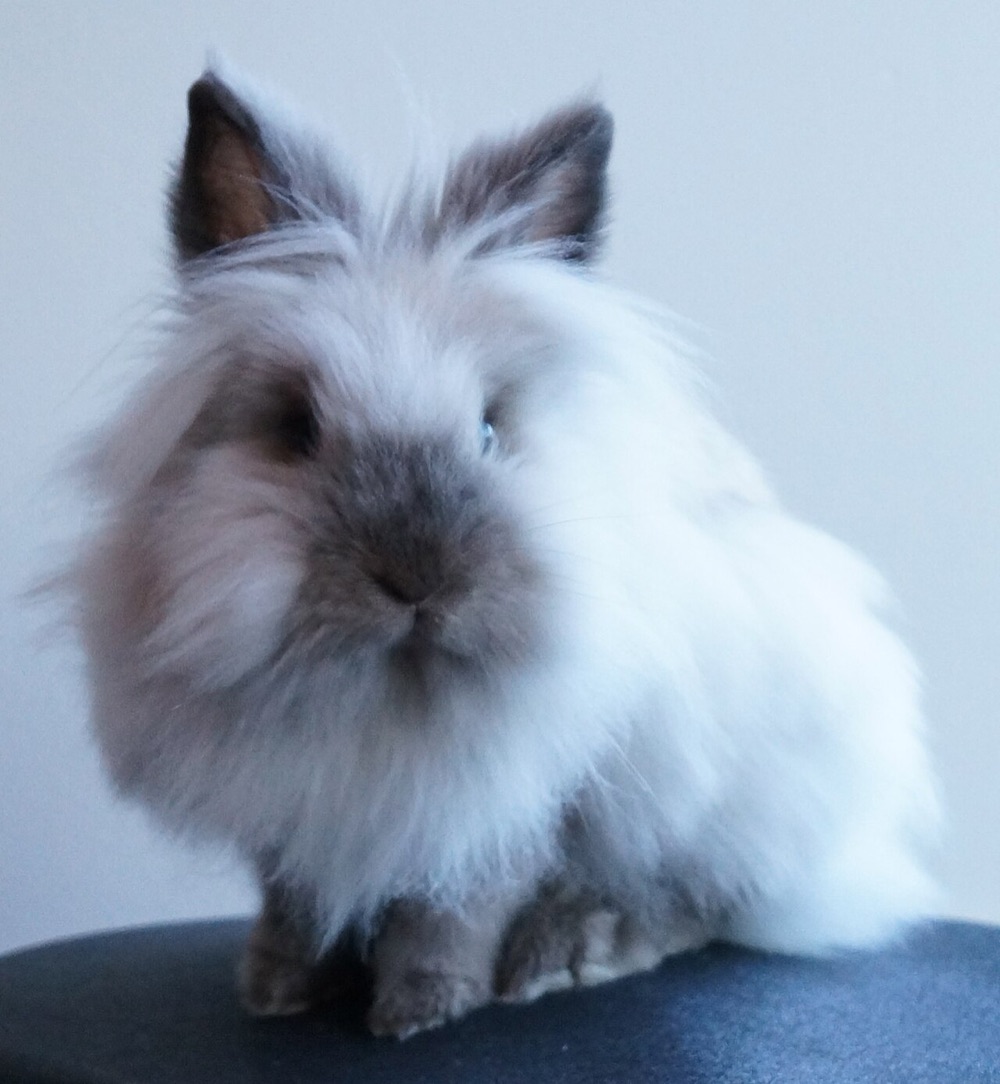
- Origin
- France and BelgiumPetMD (reviewed by Laurie Hess, DVM, DABVP)
- Adult weight
- 1.1 to 1.7 kg (PetMD gives 2.5 to 3.75 lb; PDSA's adult average is 1.5 kg)PetMD (reviewed by Laurie Hess, DVM, DABVP)
- Lifespan
- 7 to 9 yearsPDSA
- Coat
- Medium-length body coat with a mane of long wool around the head and neck; double-maned rabbits may also have long fur on the flanks. The mane needs daily grooming.PDSA
- Energy
- ModeratePetMD (reviewed by Laurie Hess, DVM, DABVP)
- Indian heat
- Struggles in heatPetMD (reviewed by Laurie Hess, DVM, DABVP)
- Flats
- Suits a flatRSPCA
Lionhead rabbit at a glance
| What | The rule | Source |
|---|---|---|
| Size | Small: PDSA gives an average adult weight of 1.5 kg; PetMD 2.5 to 3.75 lb (about 1.1 to 1.7 kg), with a compact, upright body. | PDSA |
| Mane | Long wool around the neck that PDSA says needs daily grooming; the rest of the coat needs weekly grooming. | PDSA |
| Single or double mane | Single-maned rabbits often lose most of the mane with age; double-maned rabbits keep a thick mane and may have long fur on the flanks. | PetMD (reviewed by Laurie Hess, DVM, DABVP) |
| Temperament | PetMD calls them friendly, social and affectionate; PDSA says many are timid and easily frightened. | PetMD (reviewed by Laurie Hess, DVM, DABVP) |
| Lifespan | 7 to 9 years (PDSA and PetMD agree). | PDSA |
| Heat tolerance | Low: PetMD advises a draught-free room between about 10 and 25 °C. | PetMD (reviewed by Laurie Hess, DVM, DABVP) |
| Head shape | The RWAF counts the Lionhead among brachycephalic (short-faced) breeds, with a higher risk of tooth and tear duct problems. | Rabbit Welfare Association and Fund |
Where does the Lionhead rabbit come from?
PetMD records that the Lionhead came from crossing a Swiss Fox rabbit with a Netherland Dwarf, and that the cross produced a mutation, often called the mane gene, that grows long wool around the head. The breed was developed in France and Belgium.
Lionheads reached the United States in the late 1990s, and the American Rabbit Breeders Association recognised the breed in 2013, PetMD says. Its compact body, short ears and small size come from its dwarf parent, and the RWAF counts it among the short-faced (brachycephalic) breeds.
Breeders distinguish single-maned rabbits, whose mane often thins with age, from double-maned rabbits, which carry a V-shaped mark on the back at birth and keep a thick mane for life.
How did the Lionhead rabbit come to India?
No source we found documents when Lionheads first arrived in India or how many are kept here. India's published rabbit research covers farm breeds for meat and wool, and an ICAR review of rabbit keeping across 27 states does not mention dwarf pet breeds.
Lionheads in India are pets, mostly kept indoors in flats. Their long wool makes the monsoon as demanding as the summer: damp, matted fur and a soiled rear end are what PDSA links to flystrike in this breed.
What care does a Lionhead rabbit need?
The three things that shape a good day for this breed.
Exercise
Daily time out of the pen in a rabbit-proofed room, plus room to run and stand up; the RSPCA asks for at least 3 m by 2 m by 1 m. PetMD says Lionheads do best with other rabbits. RSPCA
Grooming
PDSA says the mane needs daily grooming and the rest of the coat weekly. PetMD adds daily brushing in moults, monthly nail trims and ear checks for debris. PDSA
Training
Handle at floor level; PDSA says many Lionheads are timid and dislike being picked up. PetMD notes a rabbit that feels unsafe may stamp its feet, nip or bite. PetMD (reviewed by Laurie Hess, DVM, DABVP)
What should a Lionhead rabbit eat?
PDSA's rabbit diet is about 85% hay or grass, unlimited, with fresh greens twice a day, a measured spoon of nuggets once a day for a rabbit under 3.5 kg, and fresh water always. PetMD recommends unlimited timothy hay, leafy greens rather than iceberg lettuce, a small amount of pellets and only occasional low-sugar treats.
Fibre matters doubly for a woolly breed: Merck says hair build-up in the stomach is linked to low dietary fibre, and recommends a high-fibre diet with daily combing to prevent it. Do not offer Indian sweets, bread or biscuits; PDSA warns that sugary foods cause obesity, dental and gut problems in rabbits.
Meals a day: every age, hay and water available all day; adult, greens twice a day, nuggets once a day; young, old or unwell, as your vet advises.
Which illnesses is the Lionhead rabbit prone to, and how are they treated?
The conditions veterinary studies and breed surveys most often report in the Lionhead rabbit. Knowing the early signs means a vet sees it sooner.
See your vet first. This is general information from veterinary sources, not a diagnosis. Only a vet who has examined your pet can say what is wrong and prescribe treatment, and this page never gives a dose. Do not give your pet human medicine. If your pet seems very unwell, go to a 24-hour vet: find one in your city.
Hairballs (trichobezoars) and gut slowdown
Emergency: go to a vet nowRabbits swallow hair while grooming. Merck says excess hair can collect in the stomach and block its outflow; PDSA lists hairballs as a health problem for the Lionhead, whose long mane sheds a lot of hair. Merck Veterinary Manual
Signs to watch for
- Eating less or not at all
- Fewer or smaller droppings
- Weight loss
- A quiet, hunched rabbit
How a vet treats it
A vet examines the rabbit; Merck notes X-rays often do not show the hair. Merck describes fluids, pain management and hay or other roughage to move the hair along, with gut-stimulating medicine once the rabbit is hydrated, and surgery only if medical treatment fails. Merck says oil and laxatives do not help.
Prevention
A high-fibre diet and daily combing, as Merck advises.
Flystrike
Emergency: go to a vet nowFlies lay eggs on soiled or damp fur and the maggots eat into the skin. PDSA says an ungroomed Lionhead may get a dirty rear end, which raises the risk; PetMD says wet or matted fur raises it too. RSPCA
Signs to watch for
- Eggs or maggots near the tail
- A wet, smelly or stained rear end
- A rabbit that is suddenly quiet or hiding
How a vet treats it
The RSPCA says to ask a vet for help immediately, because flystrike is painful and can kill within hours. The vet examines the rabbit and decides on treatment; the sitter phones ahead on the way.
Prevention
Check the rear end at least twice a day in warm weather, keep bedding dry and groom the mane daily.
Dental malocclusion
See a vet soonPetMD says the Lionhead's head shape puts it at risk of misaligned jaws and teeth, and that tooth roots sit close to the sinuses, so dental problems can lead to infection. PetMD (reviewed by Laurie Hess, DVM, DABVP)
Signs to watch for
- Drooling or a wet chin
- Dropping food, leaving hay
- Weepy eyes or a runny nose
- A lump on the jaw
How a vet treats it
PDSA says overgrown teeth and spurs are trimmed by a vet under anaesthetic, damaged teeth may be removed, and pain relief and antibiotics are given where needed.
Prevention
Unlimited hay and regular dental checks.
Skin mites and E. cuniculi
See a vet soonPetMD lists skin mites and the parasite E. cuniculi for the breed. PDSA says E. cuniculi spreads in urine and can damage the brain, nerves and kidneys. PetMD (reviewed by Laurie Hess, DVM, DABVP)
Signs to watch for
- Itching, dandruff or patchy fur (mites)
- Head tilt, wobbly back legs, wetting (E. cuniculi)
How a vet treats it
A vet confirms the cause and prescribes an anti-parasitic treatment; for E. cuniculi, PDSA says vets often treat on the signs with a daily course and supportive care.
Prevention
Clean housing, no shared bowls between groups, and new rabbits kept apart for a month.
How much grooming does a Lionhead's mane need?
Some every day. The mane is wool, not ordinary fur, and in Indian humidity it mats faster than a short coat.
PDSA says the very long fur around a Lionhead's neck needs daily grooming to stop it matting, and the rest of the coat needs grooming weekly. PetMD suggests brushing two or three times a week and daily during the spring and autumn moults, and notes that double-maned Lionheads keep a thick mane for life and may also have longer fur on the flanks and back legs. Single-maned rabbits often have a full mane when young that becomes wispy with age.
Grooming is not just about looks. Rabbits groom themselves all the time and swallow the hair. The Merck Veterinary Manual says that when too much hair builds up in the stomach it can block the outflow, the rabbit stops eating and loses weight, and it can die within weeks without treatment. Merck's prevention is a high-fibre diet and daily combing to remove loose hair. For a long-coated breed in a moult, that daily comb is the most useful thing a sitter does.
Ask your sitter to comb a little at a time with the comb you use, working on the mane and under the chin. A mat close to the skin should be left for a vet or an experienced rabbit groomer: rabbit skin tears easily.
Why is the monsoon a risk for a Lionhead?
Damp wool, a soiled rear end and flies. PDSA links poor grooming in this breed directly to flystrike.
PDSA explains that a Lionhead whose long fur is not groomed can mat, and a rabbit that cannot groom well may get dirty around the back end, which raises the risk of flystrike. PetMD says flystrike risk is higher when fur is wet or matted. The RSPCA says the condition can develop within hours in warm weather and asks for the rear end to be checked at least twice a day.
From June to September in Mumbai, Kochi or Kolkata, bedding rarely dries and flies breed fast. Keep the rabbit indoors, change hay and litter at every visit, and ask the sitter to lift the tail and look underneath morning and evening. A clean, dry rear end is the goal; if it is soiled, call the owner and the vet rather than bathe the rabbit.
A Lionhead's daily check, in order
Ten minutes at each visit catches the breed's three common problems early: a matted mane, a dirty rear end and a rabbit off its food.
Room
Is it cool? Curtains shut, fan on, a tile and a frozen bottle wrapped in a towel in the pen. Rabbit Welfare Association and Fund
Eating
How much hay has gone, were the greens eaten, how many droppings and what size? A rabbit that stops eating needs a vet now. PDSA
Droppings in a moult
Swallowed hair normally passes out in the droppings, Merck says. Fewer or smaller droppings during a heavy moult can mean hair is collecting: tell the owner and the vet. Merck Veterinary Manual
Mane
A short, gentle comb of the mane and chin; note any mat. PDSA
Rear end
Lift the tail: urine staining, stuck droppings, eggs or maggots. RSPCA
Face
Weepy eyes or a wet chin can mean tooth trouble in short-faced breeds. Rabbit Welfare Association and Fund
Log and photo
Write down what you saw and send the owner the daily photo update.
Do Lionheads cope with Indian heat?
Not on their own. A small rabbit in a woolly coat needs the coolest room you have.
PetMD's comfort range for the breed is about 10 to 25 °C in a draught-free room. Merck puts the ideal for rabbits at 15.5 to 21 °C with 40 to 60% humidity, and says rabbits in heat stress stretch out and breathe fast. In much of India that means the cooling plan runs from March to October, not just in May.
The Rabbit Welfare Association's steps are simple: shade first, curtains closed, a marble surface, frozen water bottles wrapped in a towel, a battery fan aimed at the bottles and plenty of cool water with no ice. Do not shave a Lionhead to cool it without asking your vet: PetMD warns against cutting rabbit fur at home because the skin tears easily. Tell the sitter where the inverter is, which fan stays on in a power cut, and which room stays coolest.
What should a sitter never do with a Lionhead?
Do
- Comb the mane a little each visit, and stop if the rabbit struggles. PDSA
- Keep the same hay, pellets and greens the owner left; PDSA says changes should be made slowly over two to four weeks. PDSA
- Sit at floor level and let a timid rabbit come to you. PDSA
- Call the vet the same day for a rabbit that eats less or passes fewer droppings. PDSA
Don’t
- Do not cut out mats with scissors or clip the coat; rabbit skin tears easily. PetMD (reviewed by Laurie Hess, DVM, DABVP)
- Do not bathe the rabbit; spot-clean only if the owner has shown you how. PetMD (reviewed by Laurie Hess, DVM, DABVP)
- Do not lift it by the ears or the scruff. PDSA
- Do not give oil, laxatives or any human medicine for a suspected hairball; Merck says mineral oil and laxatives do not remove the hair mass. Merck Veterinary Manual
Feeding a Lionhead while you travel
Fibre is the Lionhead's best defence against hairballs, so hay comes first: PDSA says hay or grass should be about 85% of the diet, unlimited, with at least a bundle the size of the rabbit each day. Merck links hair chewing and hair build-up to low dietary fibre or boredom, so a full hay rack and a few cardboard boxes to chew both help while you are away.
Leave greens the rabbit already eats for twice-daily feeds, and the measured nuggets for once a day. PetMD advises unlimited timothy hay, a modest amount of leafy greens and occasional treats only, avoiding high-fat and sugary foods.
Which Petym service suits a Lionhead?
Healthy adults
Drop-in visits
Daily or twice-daily visits for food, water, litter, a mane comb and a rear-end check, with a photo update each day.
Moults, monsoon, heatwaves
Overnight pet sitting
A sitter living in your home can comb more often during a heavy moult and keep a closer eye through humid weeks and power cuts.
On treatment
Special-needs care
For a Lionhead recovering from gut stasis, dental work or flystrike, with the vet's plan followed and logged.
Breeds with similar care needs to the Lionhead rabbit
Going away soon? Plan your pet’s care first.
Petym's bookings open for dogs and cats first. For every other pet, the free going-away checklist covers food, water, heat and what to leave written down before you travel.

Questions owners ask
How often should a Lionhead rabbit be groomed?
- PDSA says the long fur around the neck needs grooming every day so it does not mat, and the rest of the coat weekly. During a moult, comb more often. Daily combing also cuts the hair a rabbit swallows, which Merck says can build up into a hairball.
Is a Lionhead rabbit suitable for Indian weather?
- Only indoors with a cooling plan. PetMD advises a room between about 10 and 25 °C, and the woolly mane holds damp in the monsoon. Use shade, a marble tile, frozen bottles and a fan, and check the rear end twice a day in warm, humid months.
Should I shave my Lionhead for summer?
- Ask your vet first. PetMD warns against cutting rabbit fur with scissors or clippers at home because rabbit skin tears easily. A tidy coat helped by daily combing, plus a cool room, is the safer way to manage heat. Mats close to the skin are a job for a vet or groomer.
What is the difference between a single and a double mane Lionhead?
- PetMD says single-maned Lionheads have a mane when young that often thins with age, while double-maned Lionheads keep a thick mane for life and may have longer fur on the flanks and back legs. Double-maned rabbits need more grooming.
Which breeds made the Lionhead rabbit?
- PetMD says it came from crossing a Swiss Fox rabbit with a Netherland Dwarf, which produced the mane mutation, and was developed in France and Belgium. It reached the United States in the late 1990s, and ARBA recognised it in 2013.
Can a Lionhead get hairballs?
- Yes. Rabbits groom constantly and swallow hair, and Merck says too much can collect in the stomach and block it, stopping the rabbit eating. Merck advises a high-fibre diet and daily combing to prevent it. A rabbit that stops eating needs a vet the same day.
How often should a sitter visit a Lionhead?
- At least once a day for a healthy pair in mild weather, and twice a day in heat or humidity, because of flystrike and the mane. A sitter staying overnight suits a heavy moult, a heatwave or a long trip.
Keep reading
- Rabbits: caring for a rabbit while you are away
- Netherland Dwarf rabbit careOne of the Lionhead's parent breeds.
- Rabbit care guide for India
- Monsoon pet care
- Summer pet care in India
- Pet first aid basics
- Pet care sheetWrite down the grooming routine for your sitter.
Services that help
Free tools for this
Words on this page, explained
Keep exploring
Sources
Each source was opened and read on the date shown. How Petym checks its sources
- PetMD (reviewed by Laurie Hess, DVM, DABVP): Lionhead rabbit (updated 4 August 2023) (opens in a new tab)
- PDSA: Lionhead rabbit breed information (opens in a new tab)
- RSPCA: Rabbits: care and welfare (opens in a new tab)
- Rabbit Welfare Association and Fund: Brachycephaly in rabbits: causes and health issues (opens in a new tab)
- PDSA: Feeding your rabbits (opens in a new tab)
- Merck Veterinary Manual: Noninfectious diseases of rabbits (full review July 2021, updated September 2024) (opens in a new tab)
Show all 15 sourcesShow fewer
- RSPCA: Flystrike (opens in a new tab)
- PDSA: Dental problems in rabbits (opens in a new tab)
- PDSA: E. cuniculi in rabbits (opens in a new tab)
- PetMD (reviewed by Laurie Hess, DVM, DABVP): Holland Lop (updated 7 July 2023) (opens in a new tab)
- PetMD (reviewed by Laurie Hess, DVM, DABVP): Dutch rabbit (updated 20 October 2023) (opens in a new tab)
- PDSA: Reduced appetite in a rabbit (opens in a new tab)
- PDSA: How to hold a rabbit safely (opens in a new tab)
- Rabbit Welfare Association and Fund: Keep your rabbits cool (leaflet, 2026) (opens in a new tab)
- Risam K S, Das G K and Bhasin V, ICAR Central Sheep and Wool Research Institute, Indian Journal of Animal Sciences 75(3) (2005): Rabbit for meat and wool production in India: a review (abstract read) (opens in a new tab)