American Shorthair care in India: weight, play and sitters
Updated By PetymFacts checked against official sources on
Quick answer
An American Shorthair is one of the easier breeds to leave with a sitter. CFA calls it even-tempered and independent enough to amuse itself while you are out, so two visits a day suit most adults. Ask the sitter for daily hunting-style play, no extra treats, and a cool room in summer. Heart disease is the health risk to brief.
Cornell lists the American Shorthair among the breeds in which hypertrophic cardiomyopathy is more common, even though CFA says testing has made it rare in the breed.
- Meet your sitter first, free
- PAN-checked, first-aid trained
- A photo every day
- Pay through Petym, never cash

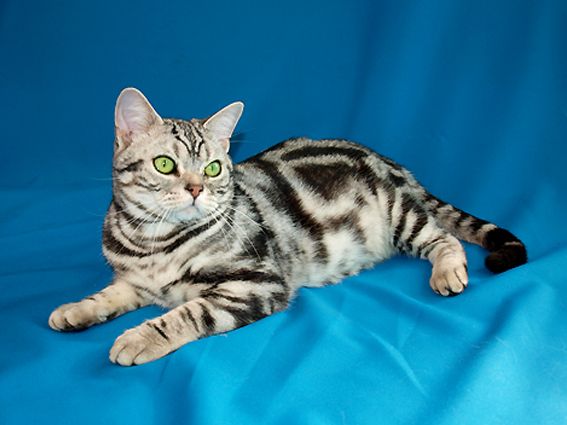
- Origin
- North America, from the short-haired cats of early European settlersThe Cat Fanciers' Association
- Adult weight
- 3.6 to 5.4 kg (VCA's 8 to 12 lb; CFA's standard says medium to large and gives no weight, so this is the closest published figure; males are more heavily built than females)VCA Animal Hospitals
- Lifespan
- 15 to 20 yearsVCA Animal Hospitals
- Coat
- Short, thick, even and hard in texture; CFA says the dense coat protects against moisture, cold and minor skin injuries.The Cat Fanciers' Association
- Energy
- ModerateThe Cat Fanciers' Association
- Indian heat
- Copes with carePDSA
- Flats
- Suits a flatThe Cat Fanciers' Association
American Shorthair at a glance
| What | The rule | Source |
|---|---|---|
| Size | Medium to large and powerfully built. CFA's standard says size must not come at the cost of quality, and gives no weight range. | The Cat Fanciers' Association |
| Temperament | Even-tempered, affectionate and tolerant of other animals and small children (CFA). | The Cat Fanciers' Association |
| Activity | Easygoing and relatively sedate, but loves to play, especially hunting games with wand and string toys. | The Cat Fanciers' Association |
| Alone-time tolerance | Good for a cat: CFA says it is independent enough to amuse itself while its people are at work. | The Cat Fanciers' Association |
| Heat tolerance | No breed-specific source. The coat is short but thick; PDSA lists overweight cats among those most at risk of heatstroke. | PDSA |
| Grooming | A short, thick, hard coat. CFA suggests regular brushing with a slicker brush or mitt; undercoat sheds in spring. | The Cat Fanciers' Association |
Where does the American Shorthair come from?
The American Shorthair began as a working cat. CFA says short-haired cats arrived in North America with the early settlers, carried on the ships to keep rats down, and then travelled west with the settlers to guard farms and homes from pests. VCA Animal Hospitals dates this to the early 1600s and says some records have the breed arriving on the Mayflower with the Pilgrims.
VCA says the breed was among the first five registered by CFA in 1906. It was first called the Domestic Shorthair and was renamed the American Shorthair in 1966. CFA's standard still describes a sturdy, medium to large cat, and says hypertrophic cardiomyopathy seen in some cats in the 1980s and 1990s has been largely bred out through testing.
How did the American Shorthair come to India?
No source we could find documents when or how the American Shorthair came to India, or how many live here; its arrival is not documented. Where the breed is kept here, it lives as an indoor pedigree cat, and its care in India comes down to weight, heat and heart checks.
Its short, thick coat is not one of the risk factors PDSA lists for heatstroke, but PDSA does name overweight cats, and CFA calls the breed relatively sedate. A lean American Shorthair in a cool room copes far better with an Indian May than a heavy one.
What care does a American Shorthair need?
The three things that shape a good day for this breed.
Exercise
CFA calls the breed easygoing and relatively sedate but fond of play, especially hunting games with wand and string toys. A short daily play session keeps it fit; put string toys away afterwards. The Cat Fanciers' Association
Grooming
CFA says it is not a breed that needs much grooming but recommends regular brushing with a slicker brush or grooming mitt; VCA suggests weekly combing and brushing. Baths are generally not needed. VCA Animal Hospitals
Training
An even-tempered cat that settles into routines. Use its hunting drive in play, and set mealtimes rather than leaving food out, which helps both training and weight. The Cat Fanciers' Association
How much should a American Shorthair eat?
Daily calories for a healthy, neutered adult American Shorthair, worked out from its weight with the formula vets use (70 x weight in kg to the power 0.75, then AAHA's factor for a neutered adult). Divide by the kcal per kg on your food's pack for grams a day, and adjust by body shape.
| Resting need (kcal a day) | Neutered adult (kcal a day) | |
|---|---|---|
| 3.6 kg AAHA (American Animal Hospital Association) | 180 | 220 to 260 |
| 4.5 kg | 220 | 260 to 300 |
| 5.4 kg | 250 | 300 to 350 |
Weight is the main feeding issue. VCA advises measuring food portions because the breed's moderate activity level puts it at risk of becoming overweight, and CFA's standard disqualifies an obese cat. Cornell's Feline Health Center says obesity is the most common nutrition problem in cats, that overweight cats are about four and a half times more likely to develop diabetes, and that treats should stay under 10 to 15 per cent of daily calories. Feed a commercial food with a complete and balanced statement on the label and keep fresh water out at all times; wet food, at least 75 per cent water, helps in summer. Leave out the Indian kitchen: ASPCA says onion and garlic damage red blood cells and that cats are more susceptible, so no dal, curry or tadka, and Cornell does not recommend milk as a treat because many cats are lactose intolerant. Ask your vet before changing to a home-cooked or special diet. Meals a day: kitten to 6 months, 3 a day; 6 months to 1 year, 2 a day; adult, from about 1 year, 1 or 2 a day; senior, 10 years and over, as for an adult, unless your vet advises otherwise. Puppies, kittens, working, pregnant and older animals need different amounts: ask your vet, or use Petym's food calculator.
Which illnesses is the American Shorthair prone to, and how are they treated?
The conditions veterinary studies and breed surveys most often report in the American Shorthair. Knowing the early signs means a vet sees it sooner.
See your vet first. This is general information from veterinary sources, not a diagnosis. Only a vet who has examined your pet can say what is wrong and prescribe treatment, and this page never gives a dose. Do not give your pet human medicine. If your pet seems very unwell, go to a 24-hour vet: find one in your city.
Hypertrophic cardiomyopathy (HCM)
See a vet soonA thickening of the heart's muscular walls, the most common heart disease in cats. Cornell lists the American Shorthair among breeds in which it is more common, although CFA says testing and selective breeding have largely eliminated it from the breed. Cornell University College of Veterinary Medicine
Signs to watch for
- Often none: Cornell says many cats with HCM do not appear ill
- Laboured, rapid or open-mouth breathing
- Lethargy
- Sudden pain or paralysis in the back legs from a blood clot
How a vet treats it
Cornell says HCM is diagnosed by echocardiography, an ultrasound scan of the heart, after high blood pressure and an overactive thyroid are ruled out; chest X-rays and an ECG may be added. A vet may prescribe medicines to control the heart rate, relieve fluid on the lungs and help prevent clots, given by mouth or by injection in serious cases. No therapy has been shown to cure it.
Prevention
Ask the breeder about heart scans of the parents; Cornell says genetic tests can show increased risk but need careful reading.
Obesity and diabetes
See a vet soonNot a breed-specific disease, but VCA warns that the breed's moderate activity level makes weight gain likely, and Cornell names obesity, inactivity and age as the main risk factors for diabetes in cats. VCA Animal Hospitals
Signs to watch for
- Drinking and urinating more
- Weight loss despite a good appetite
- A cat you can no longer feel the ribs of easily
How a vet treats it
A vet diagnoses diabetes from persistently high glucose in blood and urine. Cornell says insulin injections are the standard of care, often with a low-carbohydrate diet, and some newly diagnosed cats may suit an oral medicine. Early treatment can bring remission.
Prevention
Measure meals, use play instead of treats and ask your vet to score body condition at each visit.
Feline lower urinary tract disease (FLUTD)
Emergency: go to a vet nowBladder and urethra problems common in all cats. Cornell says middle-aged, overweight cats that exercise little, use an indoor tray and drink less are most often affected, and males may be at increased risk; that describes many indoor American Shorthairs. Cornell University College of Veterinary Medicine
Signs to watch for
- Straining or crying in the litter tray
- Going often and passing little urine
- Blood in the urine
How a vet treats it
A vet examines the cat and tests the urine, and may add X-rays, ultrasound or a urine culture. Cornell says a blocked urethra is an absolute emergency, usually treated with a urinary catheter, fluids and other medicines; stone-dissolving diets may be prescribed, and surgery is a last resort.
Prevention
Cornell suggests smaller, more frequent meals, a healthy weight, fresh water at all times, one more litter tray than the number of cats, and few changes to routine.
What kind of cat is the American Shorthair?
A working cat turned house cat, with the hunting drive still in place.
CFA traces the breed to the short-haired cats that sailed to North America with early settlers, kept on board to control rats, and then taken west to guard farms and grain stores. It still describes the breed as a working cat. That history shows in two ways a sitter will notice: a calm, sturdy temperament, and a strong urge to stalk and pounce that needs an outlet indoors.
In India the breed is less common than the Persian or the Indian street cat,. If your cat came without pedigree papers, the care on this page still applies, but ask your vet to judge its health and build rather than assume breed traits.
How long can an American Shorthair be left alone?
A healthy adult copes well with a sitter twice a day. It is not a cat to leave alone with an automatic feeder for a weekend.
CFA says the American Shorthair is independent enough to amuse itself while owners are at work, and calls it easygoing. That makes it a good fit for drop-in visits. It does not change the baseline: Cats Protection advises a sitter who visits at least twice a day for any cat left at home, more for kittens, older cats and those that are unwell.
Independence can also hide trouble. A cat that does not seek you out may not show you that it has stopped eating or is straining in the tray. Ask the sitter to look for the cat at every visit, not just fill the bowls, and to log appetite, litter and how the cat moved.
Daily care with an American Shorthair: do and don't
Do
- Play a hunting game at every visit: CFA says the breed's hunting instinct should be indulged regularly with interactive toys. The Cat Fanciers' Association
- Let the cat finish a play session with a catch, then a small part of its meal, the way a hunt ends. AAFP and ISFM (Journal of Feline Medicine and Surgery, 2013)study
- Leave scratching posts and a high resting spot; cats need places to climb, hide and scratch. AAFP and ISFM (Journal of Feline Medicine and Surgery, 2013)study
- Brush through the coat on longer trips, more in the spring shed. The Cat Fanciers' Association
Don’t
- Do not top up the bowl because the cat asks. Obesity is a main risk factor for diabetes in cats. Cornell University College of Veterinary Medicine
- Do not leave string, hair ties or wand toys out between visits; cats that hunt toys can swallow them. International Cat Care
- Do not open balcony doors or unscreened windows: an athletic cat can jump. International Cat Care
- Do not give any human medicine or a dog flea product. International Cat Care
American Shorthair warning signs
A sitter is not a vet. These are the signs that mean a call to the owner and the vet.
If Fast or laboured breathing, open-mouth breathing, or unusual tiredness. Cornell lists the American Shorthair among breeds in which HCM is more common.
Go to the vet now. Cornell says many cats with HCM do not appear ill until the disease is advanced. Cornell University College of Veterinary Medicine
If Sudden crying, pain or paralysis in the back legs.
This can be a blood clot linked to heart disease. Go to the nearest 24-hour vet straight away. Cornell University College of Veterinary Medicine
If Drinking and urinating more, or losing weight while eating well.
Note it and call the vet: these are the signs owners most often notice in diabetic cats. Cornell University College of Veterinary Medicine
If Straining in the tray with little or no urine, especially in a male cat.
A blocked bladder can kill within a day or two. Go to the vet now. Cornell University College of Veterinary Medicine
If Vomiting, not eating, or a tight, painful belly after playing with string or ribbon.
Call the vet the same day. International Cat Care warns that string, thread, ribbon and hair bands can bunch up the intestines. International Cat Care
If Panting, red or pale gums or weakness on a hot afternoon.
Heatstroke: cool water over the body, a fan, and the vet at once. PDSA
Heart disease and the American Shorthair
The sources say two things that sound different but fit together. CFA says hypertrophic cardiomyopathy appeared in some American Shorthairs in the 1980s and 1990s, and that testing and selective breeding have largely eliminated it; it describes the breed as not currently known for any breed-specific health problems. Cornell's Feline Health Center still lists the American Shorthair among the breeds in which HCM is more common.
For an owner, the practical reading is that the risk is lower in well-bred lines but not zero, and a kitten without health records is an unknown. Cornell says many cats with HCM do not look ill. If your vet has heard a murmur or found heart disease, give the sitter the vet's written plan, and choose special-needs care or overnight sitting for trips.
A sitter's day with an American Shorthair
Morning
Find the cat before doing anything else and note how it moves and breathes. Fresh water in two or more places, measured breakfast, tray scooped. Battersea Dogs and Cats Home
Hunt and eat
Five to ten minutes of stalking a wand toy, then a puzzle feeder or scatter feed with part of the day's ration. AAFP and ISFM (Journal of Feline Medicine and Surgery, 2013)study
Put toys away
Wand and string toys go into a closed drawer before you leave. International Cat Care
Evening
Dinner as written, tray again, a second play session and some quiet time. A quick brush through the coat in the shedding season. The Cat Fanciers' Association
Before leaving
Windows and balcony checked, fan or AC set for the night, daily photo update sent with a line on appetite and litter.
Weight, food and the Indian kitchen
CFA describes the American Shorthair as relatively sedate, and a sedate cat with a healthy appetite gains weight easily. Cornell names obesity, inactivity and increasing age among the main risk factors for diabetes in cats, and says obese cats are up to four times more likely to develop it. The 2024 VetCompass life tables linked a non-ideal body weight with a shorter life in UK cats.
Leave the food measured out for each day of the trip so the sitter does not have to guess, and keep the brand the same: a sudden change of food is a common cause of diarrhoea. Ask the sitter to keep the cat out of the kitchen and not to share their own food; the foods toxic to cats guide lists what to keep away. Keep lilies out of the flat too: International Cat Care calls them highly toxic to cats.
American Shorthair care through the year
| What to plan for | What the sitter does | |
|---|---|---|
| Summer (March to June) PDSA | A thick coat and a stocky cat in a hot flat | Coolest room, curtains drawn, water in several bowls, power-cut plan |
| Spring shed The Cat Fanciers' Association | Undercoat comes out; hairballs more likely | Brush at each visit; note any repeated retching or a cat that stops eating |
| Monsoon (June to September) | Indoor days and insects at the windows | Extra play, screens kept shut, litter kept dry |
| Diwali | Firecracker noise | Windows shut, hiding spots open, no play forced on a frightened cat |
Care sheet points for an American Shorthair
- Your vet and the nearest 24-hour vet, written down. Cats Protection
- Daily food portions measured or written in grams, and a firm no-extra-treats rule. Cornell University College of Veterinary Medicine
- Which toys are safe to leave out and which go away after play. International Cat Care
- Any heart finding from your vet, and what the sitter should do if breathing changes. Cornell University College of Veterinary Medicine
- The slicker brush or mitt, and where the cat likes to be brushed.
- Window and balcony rules, and the coolest room for summer.
Which Petym service suits an American Shorthair?
If Healthy adult, trip of a few days to two weeks
Drop-in visits, at least twice a day, with play at each visit. Drop-in visits
If Heart murmur, diabetes or medicines
Special-needs care, with every dose and check logged. Special-needs care
If Kitten, senior cat, or a long trip in peak summer
Overnight pet sitting, so someone is home through the night. Overnight sitting
Breeds with similar care needs to the American Shorthair
Going away soon? Tell us your dates.
A checked local sitter feeds, walks and keeps your pet company at home, follows your care sheet to the letter and sends a photo every day. Petym is opening city by city: send your dates and we will tell you when a sitter can take them.
- Meet your sitter first, free
- PAN-checked, first-aid trained
- A photo every day
- Pay through Petym, never cash

Questions owners ask
Can an American Shorthair be left alone while I travel?
- Yes, with a sitter. CFA says the breed is independent enough to amuse itself while owners are at work, which suits drop-in visits. Cats Protection still advises visits at least twice a day for any cat at home, and more for kittens, older cats or cats that are unwell.
Do American Shorthairs get fat easily?
- They can. CFA calls the breed easygoing and relatively sedate. Cornell lists obesity and inactivity among the main risk factors for diabetes in cats. Measure the daily food, use play rather than treats, and ask your vet to check body condition at each visit.
What health problems do American Shorthairs have?
- CFA says the breed is not currently known for breed-specific problems, and that hypertrophic cardiomyopathy seen in the 1980s and 1990s has largely been bred out. Cornell still lists it among breeds where HCM is more common. Ask your vet about heart checks, and report breathing changes promptly.
How do I keep an American Shorthair busy indoors?
- Use its hunting drive. CFA says the breed loves hunting games with wand and string toys and that the instinct should be indulged regularly. Short sessions at each sitter visit, a puzzle feeder and a window perch work well. Put string toys away afterwards.
Does an American Shorthair need brushing in India?
- Yes, regularly. CFA describes a short, thick, hard coat and recommends brushing with a slicker brush or grooming mitt, with the undercoat shed in spring. In hot months brushing out loose undercoat helps the cat stay comfortable. Baths are usually not needed.
Is an American Shorthair good with children and other pets?
- CFA describes the breed as affectionate and tolerant of other animals and small children. A sitter should still let the cat choose when to be handled, and keep it separate from any visiting dog it does not know.
Keep reading
- Cats: caring for a cat while you are away
- British Shorthair careAnother calm shorthair with a heart risk.
- Exotic Shorthair careThe breed created by crossing Persians with American Shorthairs.
- How long can a cat be left alone?
- Foods toxic to cats
- Cat-proofing a balcony
- Drop-in visits for cats
Services that help
Free tools for this
Words on this page, explained
Keep exploring
Sources
Each source was opened and read on the date shown. How Petym checks its sources
- The Cat Fanciers' Association: American Shorthair (opens in a new tab)
- VCA Animal Hospitals: American Shorthair (cat breed profile) (opens in a new tab)
- PDSA: Heatstroke in cats (opens in a new tab)
- Cornell Feline Health Center: Feeding your cat (updated 30 April 2026) (opens in a new tab)
- Cornell Feline Health Center: How often should you feed your cat? (opens in a new tab)
- ASPCA Animal Poison Control: People foods to avoid feeding your pets (opens in a new tab)
Show all 19 sourcesShow fewer
- AAHA (American Animal Hospital Association): 2021 AAHA Nutrition and Weight Management Guidelines for Dogs and Cats: energy requirement calculations (Box 1, PDF) (opens in a new tab)
- Merck Veterinary Manual: Nutritional requirements of small animals (full review November 2023, updated September 2024) (opens in a new tab)
- Cornell University College of Veterinary Medicine: Hypertrophic cardiomyopathy (Cornell Feline Health Center) (opens in a new tab)
- Cornell University College of Veterinary Medicine: Feline diabetes (Cornell Feline Health Center) (opens in a new tab)
- Cornell University College of Veterinary Medicine: Feline lower urinary tract disease (Cornell Feline Health Center) (opens in a new tab)
- Cats Protection: Going on holiday without your cat (opens in a new tab)
- Battersea Dogs and Cats Home: Cat litter trays (opens in a new tab)
- International Cat Care: Cats and foreign bodies (updated 26 September 2025) (opens in a new tab)
- International Cat Care: Should I keep my cat indoors or allow outdoor access? (updated 26 September 2025) (opens in a new tab)
- PDSA: Diarrhoea after a change of food (opens in a new tab)
- International Cat Care: Cats and poisons (opens in a new tab)
- Journal of Feline Medicine and Surgery (2024), Royal Veterinary College VetCompass: Life tables of annual life expectancy and risk factors for mortality in cats in the UK (abstract read via Europe PMC) (opens in a new tab)
- AAFP and ISFM (Journal of Feline Medicine and Surgery, 2013): Feline environmental needs guidelines (opens in a new tab)